

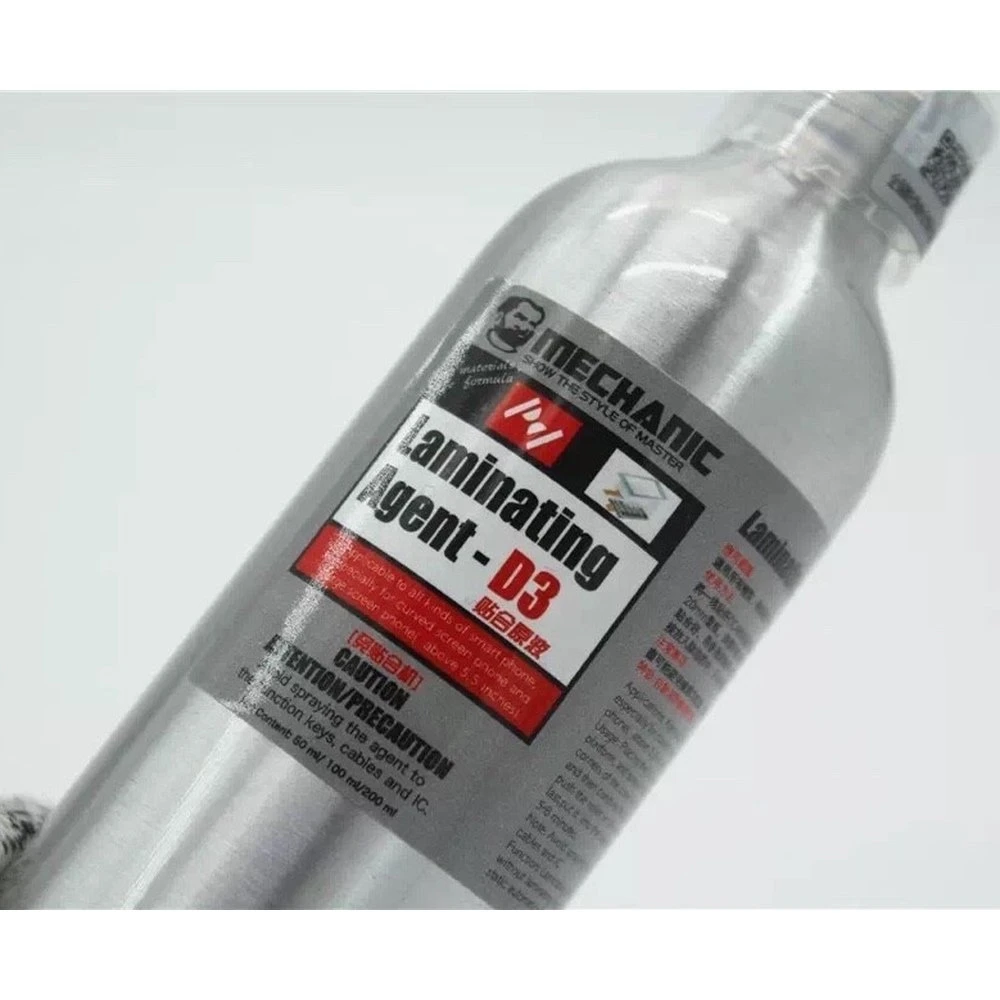
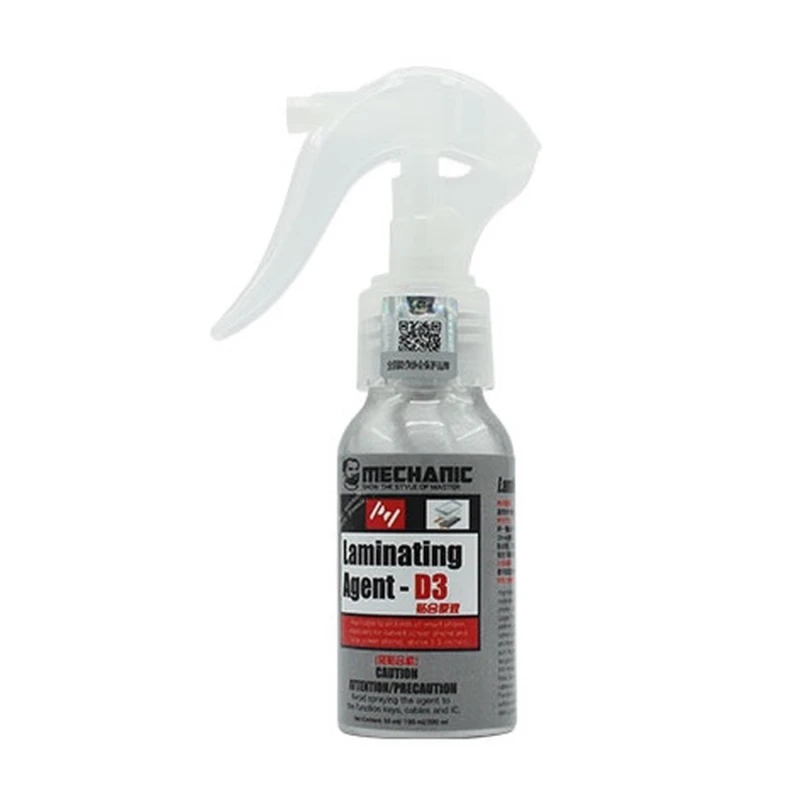
Mechanic D3 lammeermiddel tegen luchtbellen in LCD-schermen
Merk: Mechanic
IVA inbegrepen (Excl. btw: 20,00€)






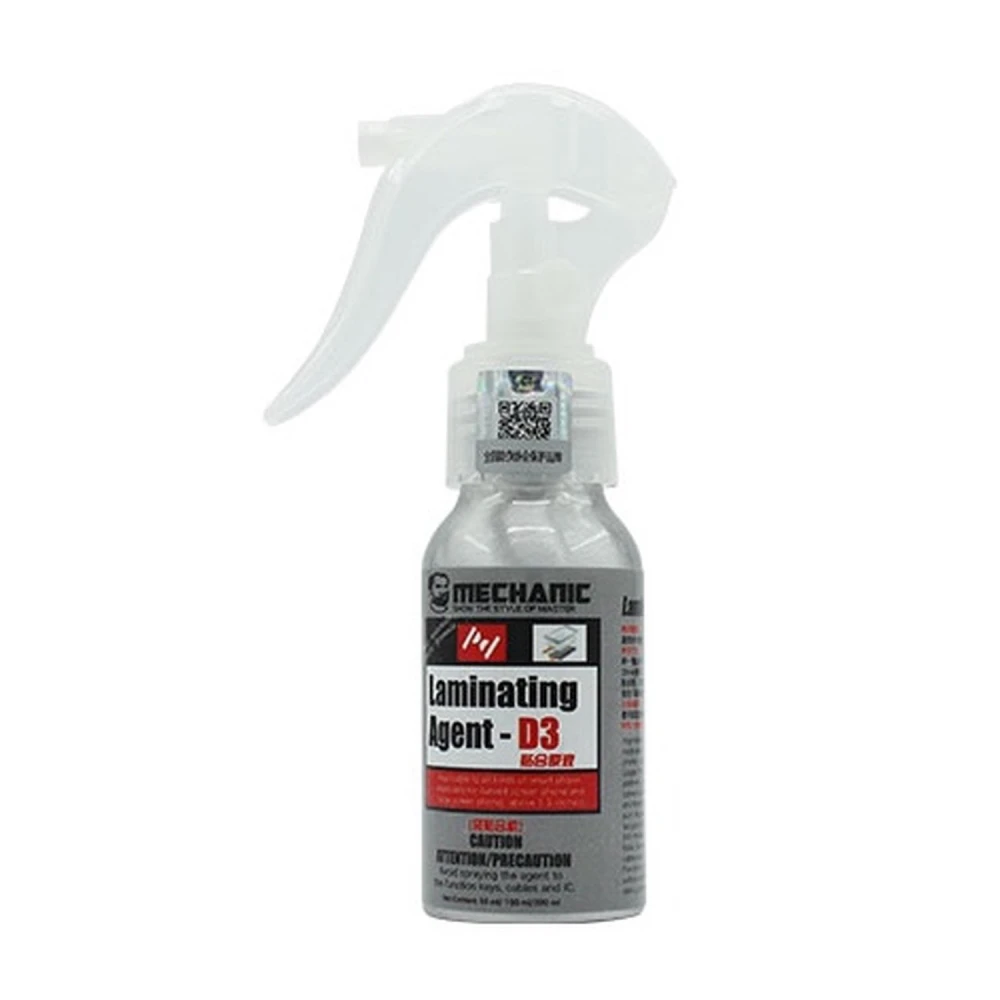
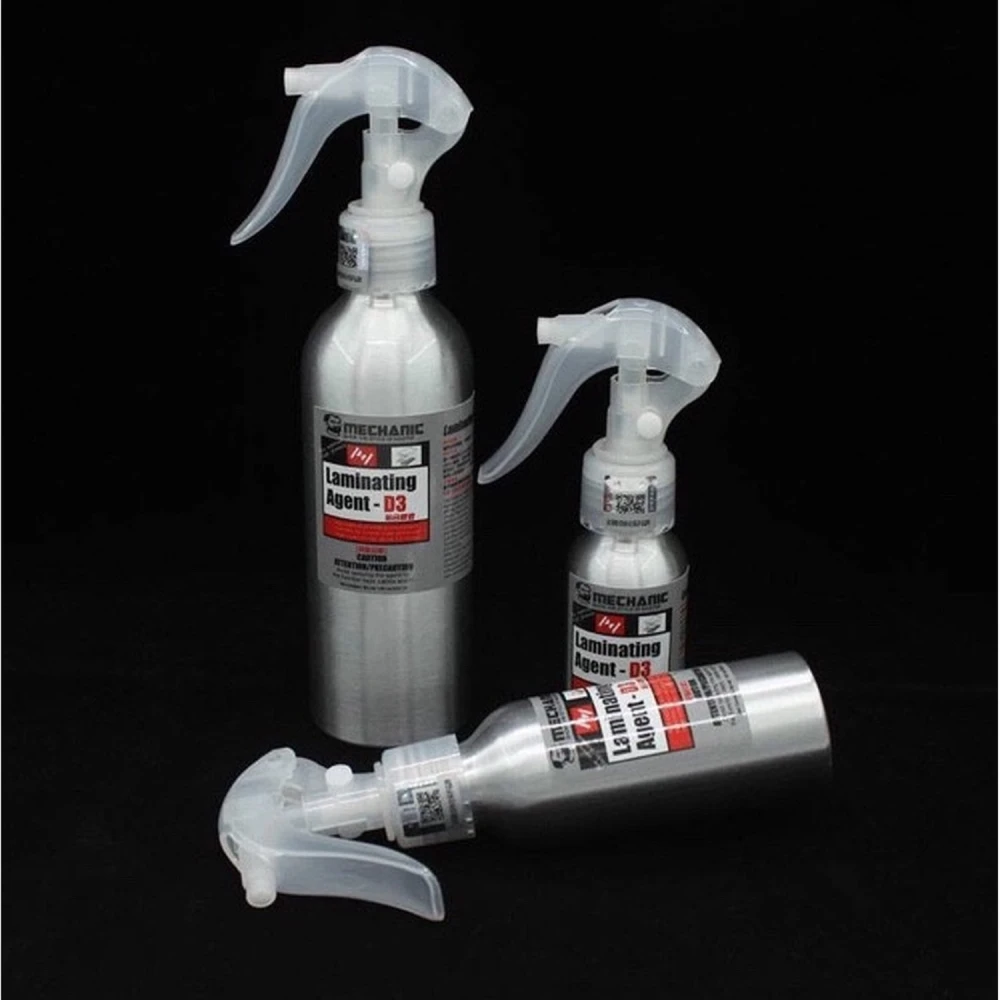
Mechanic D3 laminating agent is een product ontworpen voor onderhoudstechnici die de uitdaging hebben om luchtbellen te voorkomen bij het vervangen van het glas van LCD-schermen. Tijdens het vervangen van gebroken glas kunnen luchtbellen een veelvoorkomend probleem zijn dat het lastig maakt om een perfecte afwerking te krijgen.
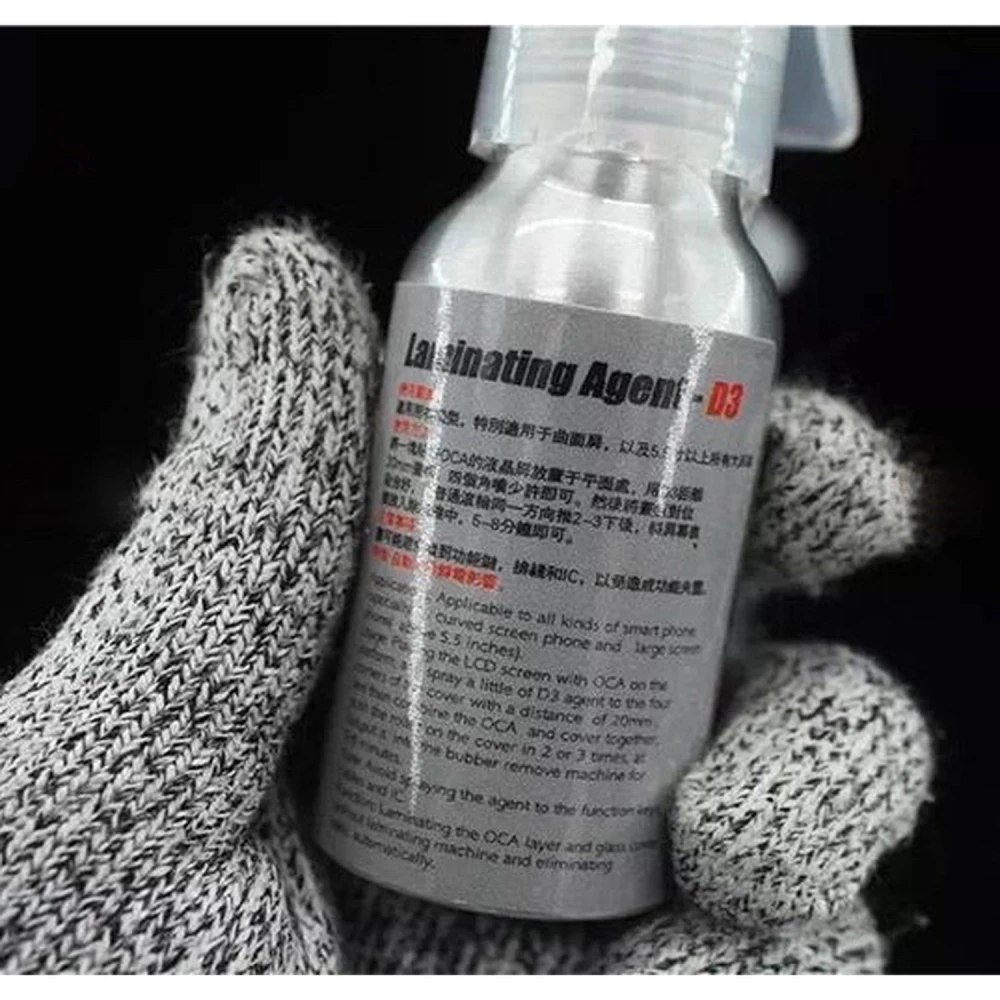
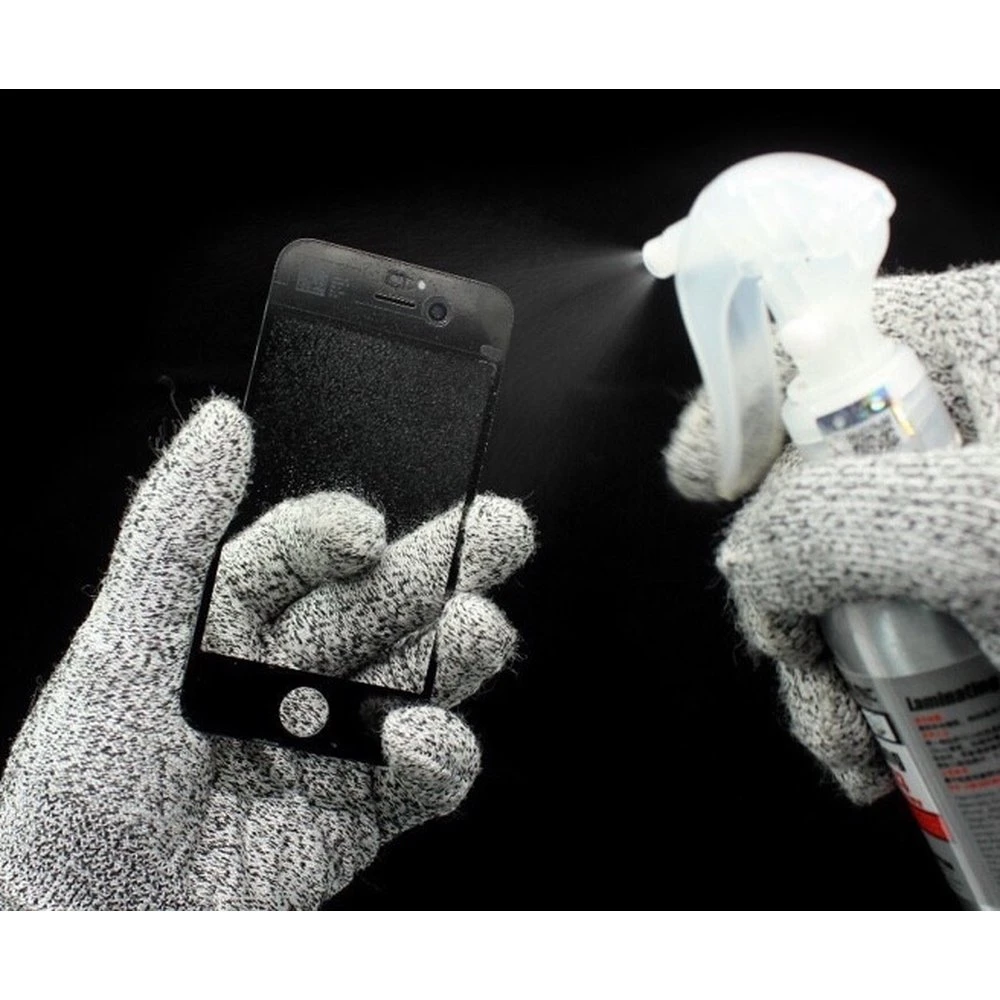
Dit middel wordt gebruikt door het glas drie keer met de vloeistof te besproeien voordat het glas en het vloeibare kristal worden geplaatst. Daarna wordt het scherm in de ontbellingsmachine (autoclaaf) geplaatst om de luchtbellen te verwijderen. Na dit proces is ongeveer 90% van de schermen vrij van luchtbellen, wat de kwaliteit van de reparatie aanzienlijk verbetert.
Het product is ontwikkeld en getest in verschillende schermreparatiecentra in China. Hoewel het de lamineermachine niet volledig vervangt, is het een geschikte oplossing voor het verwerken van kleine batches schermen en het verminderen van de noodzaak voor meerdere ontbellingscycli.
Belangrijkste kenmerken:
- Inhoud: 50 ml vloeibaar lammeermiddel.
- Ontworpen om luchtbellen te voorkomen bij de reparatie van LCD-schermen.
- Wordt drie keer op het glas aangebracht vóór het ontbellingsproces.
- Compatibel met ontbellingsmachines (autoclaaf) om luchtbellen te verwijderen.
- Ideaal voor onderhouds- en reparatietechnici van elektronische apparaten.
Typische toepassingen:
- Reparatie en vervanging van gebroken glas in LCD-schermen.
- Verbetering van de afwerking van touchscreens door luchtbellen te voorkomen.
- Verwerking van kleine batches schermen in reparatiecentra.
Compatibiliteit: Compatibel met de meeste LCD- en touchscreens die een lamineer- en ontbellingsproces vereisen.
Het wordt aanbevolen de uitlegvideo te bekijken om het toepassingsproces te begrijpen en de resultaten te optimaliseren.
- Inhoud van 50 ml vloeibaar lammeermiddel.
- Voorkomt luchtbellen bij de reparatie van LCD-schermen.
- 3 keer aanbrengen op het glas vóór het ontbellingsproces.
- Compatibel met ontbellingsmachines (autoclaaf).
- Ideaal voor onderhouds- en schermreparatietechnici.
Klantvragen & Antwoorden
Quin avantatge específic aporta el Mechanic D3 Laminating Agent davant de no utilitzar cap agent durant el procés de reemplaçament de pantalles?
El Mechanic D3 redueix significativament la formació de bombolles durant el laminat del vidre en pantalles, incrementant la taxa d'èxit del procés fins a un 90% segons proves. La seva aplicació minimitza la necessitat de repetir cicles a la màquina de desbombolleig, optimitzant el temps i el control de qualitat.
En quin tipus de pantalles o dispositius és compatible aquest agent? Hi ha materials o adhesius amb els quals no sigui recomanable fer-lo servir?
Mechanic D3 està dissenyat per a pantalles basades en vidre (LCD i OLED) durant la substitució de vidre. Funciona bé amb adhesius UV LOCA i OCA convencionals, però no s'aconsella amb acrílics estructurals o altres polímers no polars, on pot no adherir-se ni dispersar-se correctament.
Quines són les recomanacions sobre l'emmagatzematge i la vida útil d'aquest líquid un cop obert?
L'agent s'ha d'emmagatzemar en un lloc fresc i sec, allunyat de la llum directa i de fonts de calor, amb l'ampolla ben tancada. Un cop obert, es recomana consumir-lo en un termini màxim de 12 mesos per mantenir-ne l'eficàcia; a temperatures superiors a 30 °C o amb exposició prolongada a l'aire, pot perdre propietats.
Si queden bombolles després del procés, l'agent facilita la seva eliminació posterior o cal repetir tot el cicle?
L'agent facilita l'eliminació de bombolles durant la fase en autoclau, però si persisteixen, generalment cal tornar a desmuntar i repetir l'aplicació. No garanteix la retirada total de bombolles fora del cicle estàndard, a causa de la naturalesa de l'adhesiu després del curat.
El producte compleix amb normes internacionals de seguretat en manipulació química? Quines precaucions s'han d'observar durant l'ús?
El Mechanic D3 no és tòxic en ús normal, però no té certificacions internacionals tipus REACH/ROHS declarades a la seva fitxa. S'ha d'utilitzar protecció ocular i guants, ventilar l'àrea de treball i evitar el contacte prolongat amb la pell. En cas d'esquitxada, rentar amb aigua abundant.
What specific advantage does the Mechanic D3 Laminating Agent offer compared with not using any agent during screen replacement?
Mechanic D3 significantly reduces bubble formation during glass lamination on screens, increasing the success rate of the process by up to 90% according to tests. Its application minimises the need to repeat cycles in the bubble-removal machine, improving time efficiency and quality control.
What type of screens or devices is this agent compatible with? Are there any materials or adhesives with which it is not recommended?
Mechanic D3 is designed for glass-based screens (LCD and OLED) during glass replacement. It works well with conventional UV LOCA and OCA adhesives, but it is not recommended for structural acrylics or other non-polar polymers, where it may not bond or spread properly.
What are the recommendations for storage and shelf life of this liquid once opened?
The agent should be stored in a cool, dry place, away from direct light and heat sources, with the bottle tightly closed. Once opened, it is recommended to use it within a maximum of 12 months to maintain effectiveness; at temperatures above 30°C or with prolonged exposure to air, it may lose its properties.
If bubbles remain after the process, does the agent help remove them afterwards or does the whole cycle need to be repeated?
The agent helps remove bubbles during the autoclave stage, but if they persist, it is generally necessary to dismantle the unit again and repeat the application. It does not guarantee complete bubble removal outside the standard cycle, due to the nature of the adhesive after curing.
Does the product comply with international safety standards for chemical handling? What precautions should be observed during use?
Mechanic D3 is not toxic in normal use, but it does not have declared international certifications such as REACH/RoHS on its datasheet. Eye protection and gloves should be used, the work area should be ventilated and prolonged skin contact should be avoided. In case of splashes, wash thoroughly with plenty of water.
Schrijf een klantbeoordeling
Klanten die dit artikel kochten, kochten ook
Uw recent bekeken artikelen