


1,21€
Op voorraad
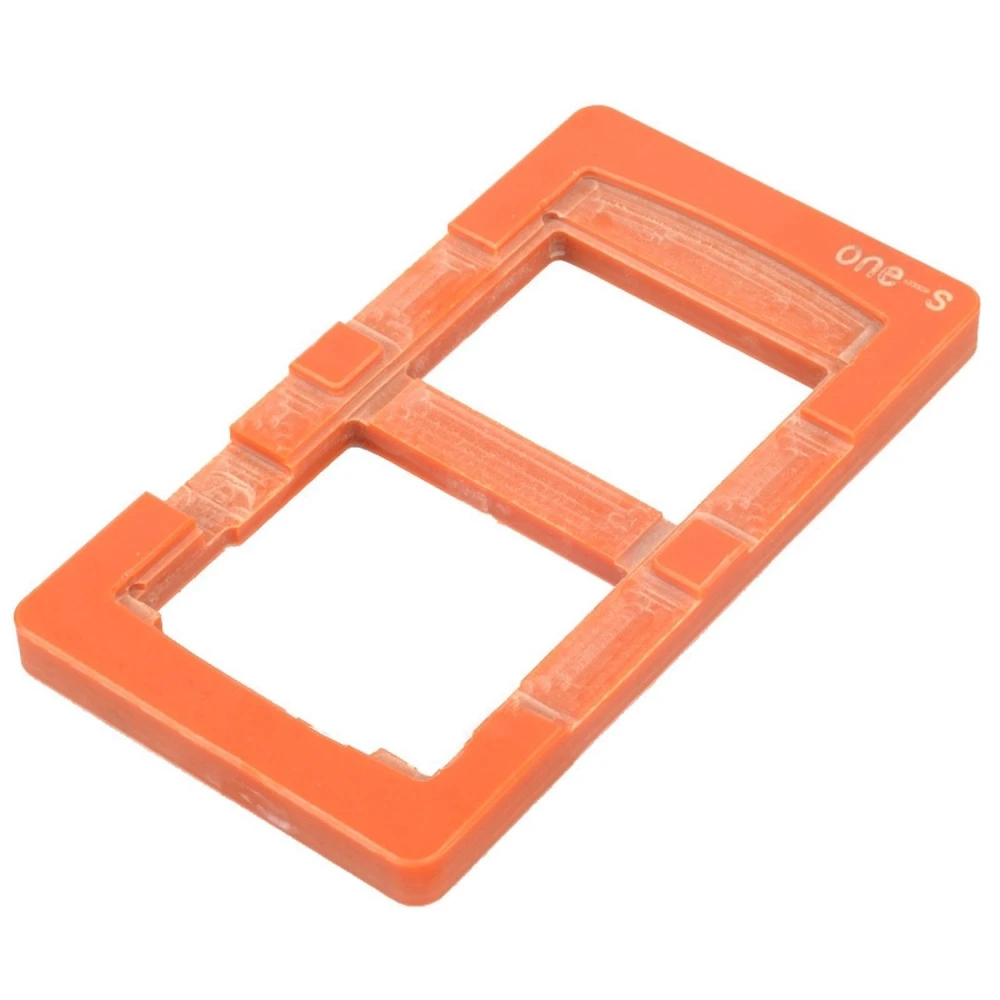
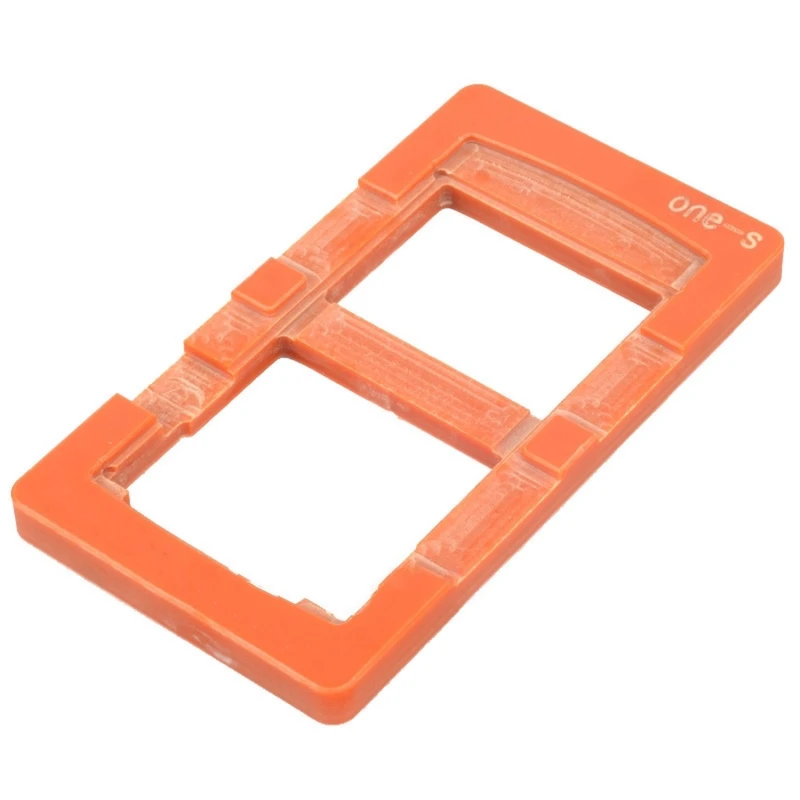
LCD-lijm- en reparatiemal Samsung HTC One S
Merk: Mlink
1,21€
IVA inbegrepen (Excl. btw: 1,00€)
Beperkte voorraad
Standaardlevering
Wo, Apr 22 - Vr, Apr 24
Expresslevering
Ma, Apr 20 - Di, Apr 21
30 dagen retour
Gratis retourneren binnen 30 dagen
Beveiligde transactie


Share:
Gratis bezorging
Bij bestellingen boven 300€
Eenvoudig retourneren
30 dagen retourbeleid
Veilig betalen
100% veilig afrekenen
Kwaliteitsgarantie
Alleen originele producten
De Molde reparación y encolado LCD Samsung HTC One S is een gespecialiseerd hulpmiddel dat is ontworpen om de correcte plaatsing en verlijming van het glas op LCD-schermen van Samsung HTC One S-apparaten te vergemakkelijken. Gefabriceerd door het merk Mlink is deze mal onmisbaar voor technici en professionals die precisie en kwaliteit zoeken bij schermreparaties.
Belangrijkste kenmerken:
- Speciaal ontworpen voor Samsung HTC One S-schermen, voor een perfecte pasvorm.
- Maakt verlijming mogelijk met LOCA glue (Liquid Optical Clear Adhesive), voor een optimale hechting zonder luchtbellen.
- Vergemakkelijkt de exacte uitlijning van het glas op het LCD-scherm en helpt schade en veelvoorkomende fouten tijdens de reparatie te voorkomen.
- Stevig en duurzaam materiaal dat meerdere keren gebruikt kan worden.
Specificaties en compatibiliteit:
- Uitsluitend compatibel met Samsung HTC One S LCD-schermen.
- Ideaal voor professioneel gebruik in mobiele reparatiewerkplaatsen en technische servicecentra.
Typische toepassingen:
- Reparatie van beschadigde LCD-schermen of schermen met gebroken glas op Samsung HTC One S.
- Verlijmingsproces met LOCA glue voor transparantie en touchscreen-functionaliteit van het scherm.
- Onderhoud en herstel van schermen om de levensduur van het apparaat te verlengen.
Compatibiliteit en gerelateerde accessoires:
- Compatibel met reparatieaccessoires voor Samsung en HTC One S.
- Aanbevolen om samen te gebruiken met LCD-reparatiesets en reinigingsgereedschap voor de beste resultaten.
Deze mal is een effectieve oplossing voor technici die de kwaliteit en efficiëntie van LCD-schermreparaties voor Samsung HTC One S willen verbeteren, met een professionele en duurzame afwerking.
- Specifieke mal voor Samsung HTC One S-schermen
- Maakt nauwkeurige verlijming met LOCA glue mogelijk
- Zorgt voor perfecte uitlijning van het LCD-glas
- Stevig materiaal voor meervoudig gebruik
- Ideaal voor professionele reparaties en onderhoud
Klantvragen & Antwoorden
Quins són els materials de fabricació i quines són les dimensions del motlle?
El motlle sol estar fabricat en aliatge d’alumini mecanitzat per oferir estabilitat i precisió durant l’enganxat del LCD. Les dimensions aproximades són 140 mm × 75 mm × 8 mm, amb una tolerància de ±0,2 mm a l’àrea d’inserció. Aquest material resisteix bé el contacte amb adhesius líquids i proporciona una llarga vida útil amb ús moderat.
Requereix eines addicionals o algun tipus de preparació especial abans d’utilitzar el motlle?
Sí, per a un ús adequat del motlle es recomana disposar d’adhesiu LOCA UV, làmpada UV per al curat i eines de precisió com espàtules antiestàtiques. El procés requereix netejar l’àrea del LCD i el motlle abans de cada ús per evitar residus que puguin afectar l’enganxat.
Quina resistència té el motlle davant de productes químics i canvis de temperatura durant el procés de reparació?
El motlle d’alumini és resistent a la majoria dels dissolvents de neteja utilitzats en reparació de pantalles i suporta temperatures de fins a 100°C sense deformació apreciable. Tanmateix, l’exposició prolongada a àcids forts pot afectar-ne l’acabat superficial. Es recomana evitar cops directes que puguin desalinear-ne l’estructura mecanitzada.
Quina és la principal diferència entre aquest tipus de motlle i els mètodes manuals d’alineació del LCD?
L’ús del motlle proporciona una alineació precisa, reduint el marge d’error humà respecte a la posició del vidre i minimitzant les bombolles o el desplaçament de l’adhesiu. A diferència dels mètodes manuals, assegura repetibilitat i escurça els temps de treball, especialment en reparacions múltiples; tanmateix, limita l’ús a models estrictament compatibles per les seves dimensions fixes.
What are the manufacturing materials and what are the dimensions of the mould?
The mould is usually made from machined aluminium alloy to provide stability and precision during LCD bonding. Approximate dimensions are 140 mm × 75 mm × 8 mm, with a tolerance of ±0.2 mm in the insertion area. This material withstands contact with liquid adhesives well and provides a long service life under moderate use.
Does it require any additional tools or special preparation before using the mould?
Yes, for proper use of the mould it is recommended to have LOCA UV adhesive, a UV curing lamp and precision tools such as anti-static spatulas. The process requires cleaning the LCD area and the mould before each use to avoid residue that could affect bonding.
How resistant is the mould to chemicals and temperature changes during the repair process?
The aluminium mould is resistant to most cleaning solvents used in screen repair and withstands temperatures up to 100°C without noticeable deformation. However, prolonged exposure to strong acids may affect its surface finish. It is recommended to avoid direct impacts that could misalign its machined structure.
What is the main difference between this type of mould and manual LCD alignment methods?
Using the mould provides precise alignment, reducing human error in crystal positioning and minimising bubbles or displaced adhesive. Unlike manual methods, it ensures repeatability and shortens working time, especially in multiple repairs; however, it limits use to strictly compatible models due to its fixed dimensions.
What are the manufacturing materials and what are the dimensions of the mould?
The mould is usually made from machined aluminium alloy to provide stability and precision during LCD bonding. Approximate dimensions are 140 mm × 75 mm × 8 mm, with a tolerance of ±0.2 mm in the insertion area. This material withstands contact with liquid adhesives well and provides a long service life under moderate use.
Does it require any additional tools or special preparation before using the mould?
Yes, for proper use of the mould it is recommended to have LOCA UV adhesive, a UV curing lamp, and precision tools such as anti-static spatulas. The process requires cleaning the LCD area and the mould before each use to avoid residue that could affect bonding.
Schrijf een klantbeoordeling
Klanten die dit artikel kochten, kochten ook



Uw recent bekeken artikelen
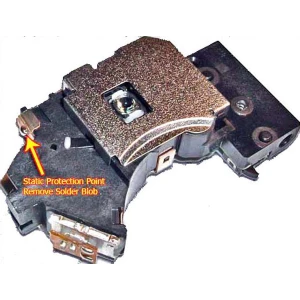
Nieuwe PVR802-lens voor Sony PSTwo - compatibele en werkende vervanging
10,29€
Nog maar 10 op voorraad
 LCD-lijm- en reparatiemal Samsung HTC One S
1,21€