



4,84€
Op voorraad
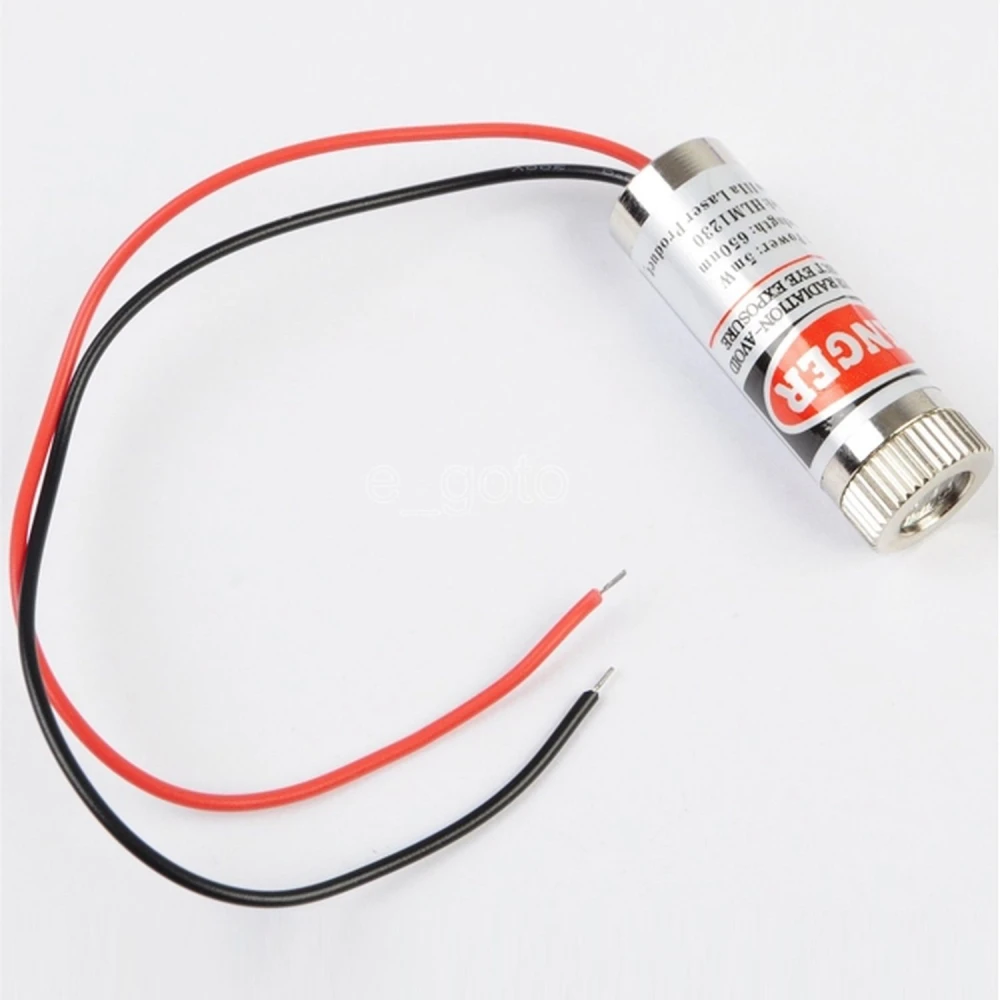
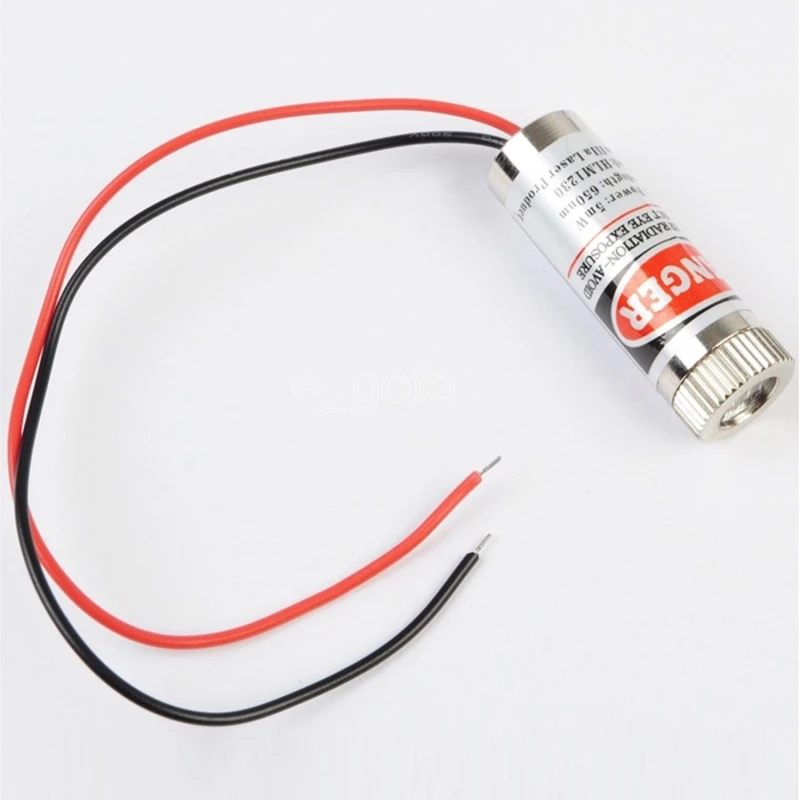
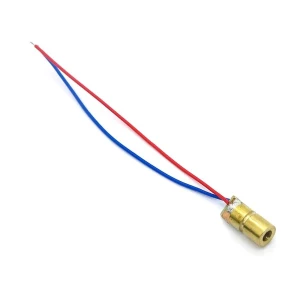
Rood lasermodule 5mw 3v 5v met puntfocus voor elektronica
Merk: satkit
4,84€
IVA inbegrepen (Excl. btw: 4,00€)
Op voorraad - Direct verzonden
Standaardlevering
Wo, Apr 22 - Vr, Apr 24
Expresslevering
Ma, Apr 20 - Di, Apr 21
30 dagen retour
Gratis retourneren binnen 30 dagen
Beveiligde transactie






Share:
Gratis bezorging
Bij bestellingen boven 300€
Eenvoudig retourneren
30 dagen retourbeleid
Veilig betalen
100% veilig afrekenen
Kwaliteitsgarantie
Alleen originele producten
Productbeschrijving:
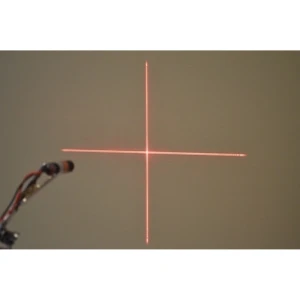
De rood lasermodule 5mw 3v 5v met puntfocus is een compact apparaat dat is ontworpen om een nauwkeurige rode puntuitgang te leveren met een golflengte van 650 nm. Deze module is ideaal voor elektronische toepassingen, meetprojecten en accessoires voor solderen die een laagspanningslaser met hoge precisie vereisen.
Belangrijkste kenmerken:
- Model: LD-G650A03
- Uitgang: rode punt met golflengte van 650 nm
- Compact formaat: F12.0x35 mm
- Kabellengte: ongeveer 135 mm
- Lichtgewicht: 13,5 gram
- Behuizing van vernikkeld messing voor extra duurzaamheid
- Bedrijfsspanning: 3.0 V tot 5 V
- Maximale stroom: 40 mA
Typische toepassingen:
- Elektronische projecten die nauwkeurige lasersignalering vereisen
- Accessoires voor soldeerstations en elektronische gereedschappen
- Metingen en kalibraties in elektronica en optica
- Toepassingen die een rode laser met laag vermogen en lage spanning vereisen
Compatibiliteit: Compatibel met systemen en apparaten die werken tussen 3 en 5 volt, ideaal voor integratie in elektronische circuits en soldeerapparatuur.
Veiligheidsmaatregelen:
Deze module zendt een laser uit die schadelijk kan zijn voor de ogen. Niet rechtstreeks in de ogen richten en niet op andere personen richten. Het gebruik van speciale beschermende brillen wordt aanbevolen tijdens blootstelling aan laserlicht.
- Rode puntuitgang van 650nm voor precisie in elektronische toepassingen
- Bedrijfsspanning van 3V tot 5V, compatibel met meerdere apparaten
- Behuizing van vernikkeld messing voor extra sterkte en duurzaamheid
- Compact formaat van 12x35 mm en licht gewicht van 13,5 gram
- Maximale stroom van 40 mA voor energiezuinig gebruik
- Kabellengte van ongeveer 135 mm voor eenvoudige aansluiting
Klantvragen & Antwoorden
Quins materials componen el mòdul làser i com afecten la seva durabilitat i dissipació tèrmica?
El mòdul està construït amb cos de llautó niquelat, cosa que proporciona bona resistència a la corrosió i millora la dissipació de la calor. Això ajuda a mantenir una estabilitat tèrmica adequada per a usos intermitents i allarga la vida útil, tot i que no es recomana un funcionament continu per sobre de 2 minuts sense pauses per evitar sobreescalfament.
Quin rang d'alimentació elèctrica admet el mòdul i quines implicacions té per a la integració en projectes electrònics?
El làser opera amb un voltatge d'entrada de 3.0V a 5.0V DC i un corrent màxim de 40 mA. Es pot integrar fàcilment a plaques Arduino, Raspberry Pi i fonts regulades estàndard, sempre que es respecti el límit de corrent. Invertir la polaritat pot danyar el mòdul; no disposa de protecció inversa.
Amb quina precisió i forma queda el punt làser projectat a diferents distàncies?
La longitud d'ona és de 650 nm (vermell visible) i l'òptica està dissenyada per a un punt concentrat. A 5 m, el diàmetre del punt sol ser inferior a 5 mm si l'enfocament està ben ajustat. La distància focal es pot modificar lleugerament girant la lent frontal.
Quines són les principals diferències tècniques respecte a mòduls làser similars de 10 mW o de més potència?
En comparació amb mòduls de 10 mW, aquest model ofereix més seguretat i la mateixa compatibilitat elèctrica, però menys visibilitat en entorns molt il·luminats i menys abast efectiu (5 m aprox. amb bona visibilitat). Per a aplicacions d'alineació bàsica o marcatge és suficient i preferible pel menor risc ocular.
What materials make up the laser module and how do they affect durability and heat dissipation?
The module is built with a nickel-plated brass body, which provides good corrosion resistance and improves heat dissipation. This helps maintain suitable thermal stability for intermittent use, extending service life, although continuous operation for more than 2 minutes without pauses is not recommended to avoid overheating.
What power supply range does the module accept and what are the implications for integration into electronic projects?
The laser operates with an input voltage of 3.0 V to 5.0 V DC and a maximum current of 40 mA. It can be easily integrated into Arduino boards, Raspberry Pi and standard regulated supplies, provided the current limit is respected. Reversing the polarity can damage the module; it does not have reverse-polarity protection.
How precise is the projected laser spot, and what shape does it take at different distances?
The wavelength is 650 nm (visible red) and the optics are designed for a focused spot. At 5 m, the spot diameter is usually less than 5 mm if the focus is correctly adjusted. The focal distance can be slightly changed by turning the front lens.
What are the main technical differences compared with similar 10 mW or higher-power laser modules?
Compared with 10 mW modules, this model offers greater safety and the same electrical compatibility, but lower visibility in very bright environments and a shorter effective range (around 5 m with good visibility). For basic alignment or marking applications it is sufficient and preferable due to the lower eye risk.
What materials make up the laser module, and how do they affect durability and heat dissipation?
The module is built with a nickel-plated brass body, which provides good corrosion resistance and improves heat dissipation. This helps maintain suitable thermal stability for intermittent use and extends service life, although continuous operation for more than 2 minutes without pauses is not recommended to avoid overheating.
What electrical supply range does the module accept, and what are the implications for integration into electronic projects?
The laser operates with an input voltage of 3.0 V to 5.0 V DC and a maximum current of 40 mA. It can be easily integrated into Arduino boards, Raspberry Pi and standard regulated supplies, provided the current limit is respected. Reversing the polarity can damage the module; it does not have reverse-polarity protection.
Schrijf een klantbeoordeling
Klanten die dit artikel kochten, kochten ook

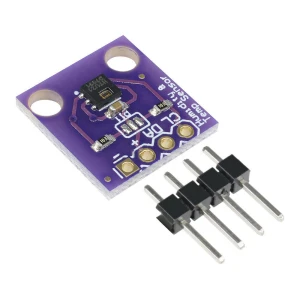
Temperatuur- en vochtigheidssensor ter vervanging SI7021 HTU21D SHT21 SHT20 HDC1080
3,63€
Nog maar 10 op voorraad
Uw recent bekeken artikelen
 Rood lasermodule 5mw 3v 5v met puntfocus voor elektronica
4,84€