


2,66€
Op voorraad


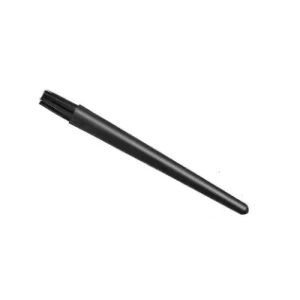
Grote antistatische borstel voor reballing type-9 voor professionele PCB-reiniging
Merk: Mlink
2,66€
IVA inbegrepen (Excl. btw: 2,20€)
Op voorraad - Direct verzonden
Standaardlevering
Wo, Apr 22 - Vr, Apr 24
Expresslevering
Ma, Apr 20 - Di, Apr 21
30 dagen retour
Gratis retourneren binnen 30 dagen
Beveiligde transactie






Share:
Gratis bezorging
Bij bestellingen boven 300€
Eenvoudig retourneren
30 dagen retourbeleid
Veilig betalen
100% veilig afrekenen
Kwaliteitsgarantie
Alleen originele producten
De grote antistatische borstel voor reballing type-9 is een essentieel hulpmiddel voor technici en professionals die werken aan het reinigen en onderhouden van printplaten (PCB) tijdens reballingprocessen. Het ontwerp is speciaal bedoeld om de opbouw van statische elektriciteit te voorkomen en zo de gevoelige elektronische componenten tijdens het reinigen te beschermen.
Deze borstel heeft een antistatische behandeling die het risico op elektrostatische ontladingen minimaliseert, waardoor oppervlakken of gevoelige elektronische componenten niet beschadigd raken. Hij is ideaal voor het reinigen van de zones waar later de soldeerballetjes worden geplaatst, zodat een schoon oppervlak zonder resten wordt gegarandeerd.
- Totale lengte: 90 mm
- Lengte van de haren: 18 mm
- Breedte van de haren: 65 x 30 mm
- Antistatische behandeling: Ja, om statische elektriciteit te voorkomen
- Hoofdgebruik: Reinigen van PCB's tijdens reballingprocessen
Deze borstel is compatibel met diverse soldeerstations en reballingapparatuur, vooral in toepassingen waar zorgvuldige reiniging nodig is om een correcte hechting van de soldeerballetjes te verzekeren. Dankzij het grote formaat kunnen grotere delen van de printplaat efficiënt worden gereinigd.
Daarnaast is de antistatische type-9 borstel van het merk Mlink een betrouwbaar accessoire voor reparatiewerkplaatsen voor elektronica, onderhoud van consoles, automotive en andere sectoren waar precisie en zorg bij het hanteren van elektronische componenten vereist zijn.
Met deze borstel kunnen professionals reinigingstaken veilig en efficiënt uitvoeren, schade door statische elektriciteit vermijden en de kwaliteit van reballing- en soldeerprocessen waarborgen.
- Antistatische behandeling om elektrostatische ontladingen te voorkomen
- Totale lengte van 90 mm voor comfortabel gebruik
- Haren van 18 mm lang en 65x30 mm breed voor effectieve reiniging
- Ideaal voor het reinigen van PCB's tijdens reballingprocessen
- Compatibel met soldeerstations en reballingapparatuur type 9
Klantvragen & Antwoorden
Quins avantatges té el tractament antiestàtic del raspall en comparació amb un raspall convencional en netejar PCBs durant el reballing?
El tractament antiestàtic redueix significativament el risc d'acumulació i descàrrega d'electricitat estàtica, que podria danyar components electrònics sensibles durant la neteja de PCB, especialment abans del reballing. Un raspall convencional no ofereix aquesta protecció i pot presentar un risc per a la integritat dels circuits integrats.
Aquest raspall es pot fer servir amb solvents comuns o només es recomana per a ús en sec?
El raspall es pot utilitzar tant en sec com amb solvents compatibles amb fibres sintètiques, com l'alcohol isopropílic. Tanmateix, es recomana evitar solvents molt agressius que puguin danyar el tractament antiestàtic o degradar les cerres a llarg termini.
Quines són les recomanacions de manteniment per preservar les propietats antiestàtiques i assegurar una neteja eficient en cada ús?
Es recomana netejar les cerres després de cada ús amb aire comprimit o submergint-les breument en alcohol isopropílic i deixar-les assecar completament. Cal evitar el contacte prolongat amb agents químics forts i emmagatzemar-lo en un ambient sec, lluny de fonts de calor i pols, per preservar el tractament antiestàtic.
Quines diferències pràctiques hi ha entre aquest model Tipus-9 i altres raspalls antiestàtics per a reballing disponibles al mercat?
El model Tipus-9 destaca per la seva àrea útil més gran (65x30 mm), que permet netejar zones àmplies amb menys temps i esforç. En comparació amb models més petits o de cerres més fines, ofereix més capacitat d'arrossegament, tot i que pot ser menys adequat per a zones molt estretes o components densament disposats.
What advantages does the anti-static treatment of the brush have compared with a conventional brush when cleaning PCBs during reballing?
The anti-static treatment significantly reduces the risk of static electricity build-up and discharge, which could damage sensitive electronic components during PCB cleaning, especially before reballing. A conventional brush does not offer this protection and may pose a risk to the integrity of integrated circuits.
Can this brush be used with common solvents, or is it only recommended for dry use?
The brush can be used both dry and with solvents compatible with synthetic fibres, such as isopropyl alcohol. However, it is recommended to avoid very aggressive solvents that could damage the anti-static treatment or degrade the bristles over time.
What maintenance recommendations help preserve the anti-static properties and ensure efficient cleaning each time?
It is recommended to clean the bristles after each use with compressed air or by briefly soaking them in isopropyl alcohol and allowing them to dry completely. Avoid prolonged contact with strong chemical agents and store in a dry environment, away from heat and dust, to preserve the anti-static treatment.
What practical differences are there between this Type-9 model and other anti-static brushes for reballing available on the market?
The Type-9 model stands out for its larger working area (65x30 mm), allowing wide-area cleaning with less time and effort. Compared with smaller models or those with finer bristles, it offers greater sweeping capacity, although it may be less suitable for very narrow areas or densely packed components.
What advantages does the anti-static treatment of the brush offer compared with a conventional brush when cleaning PCBs during reballing?
The anti-static treatment significantly reduces the risk of static electricity build-up and discharge, which could damage sensitive electronic components during PCB cleaning, especially before reballing. A conventional brush does not offer this protection and may pose a risk to the integrity of integrated circuits.
Can this brush be used with common solvents, or is it only recommended for dry use?
The brush can be used both dry and with solvents compatible with synthetic fibres, such as isopropyl alcohol. However, it is recommended to avoid very aggressive solvents that could damage the anti-static treatment or degrade the bristles over time.
Schrijf een klantbeoordeling
Klanten die dit artikel kochten, kochten ook



Uw recent bekeken artikelen
 Grote antistatische borstel voor reballing type-9 voor professionele PCB-reiniging
2,66€