


3,63€
Op voorraad


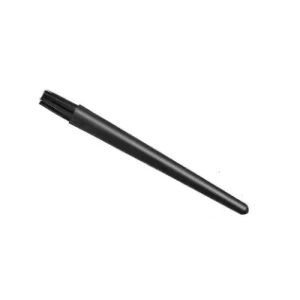
Grote antistatische reballingborstel type-10 van Mlink
Merk: Mlink
3,63€
IVA inbegrepen (Excl. btw: 3,00€)
Beperkte voorraad
Standaardlevering
Wo, Apr 22 - Vr, Apr 24
Expresslevering
Ma, Apr 20 - Di, Apr 21
30 dagen retour
Gratis retourneren binnen 30 dagen
Beveiligde transactie






Share:
Gratis bezorging
Bij bestellingen boven 300€
Eenvoudig retourneren
30 dagen retourbeleid
Veilig betalen
100% veilig afrekenen
Kwaliteitsgarantie
Alleen originele producten
De grote antistatische reballingborstel type-10 van het merk Mlink is een essentieel hulpmiddel voor professionals en hobbyisten die reballing en onderhoud aan elektronische printplaten (PCB) uitvoeren. Speciaal ontworpen om de opbouw van statische elektriciteit te voorkomen, zorgt deze borstel voor een veilige en effectieve reiniging van oppervlakken die in contact komen met soldeerballen.
Belangrijkste kenmerken:
- Antistatische behandeling: Voorkomt de opwekking van statische elektriciteit die gevoelige elektronische componenten kan beschadigen.
- Optimale afmetingen: Totale lengte van 100 mm, met borstelharen van 20 mm lengte en een borstelbreedte van 90x40 mm, waardoor zowel grote als delicate oppervlakken eenvoudig gereinigd kunnen worden.
- Ergonomisch ontwerp: Dankzij het formaat en de vorm ligt hij comfortabel en nauwkeurig in de hand tijdens het reballingproces.
Aanbevolen gebruik:
- PCB's reinigen vóór en na het reballingproces om een stof- en residuvrij oppervlak te garanderen.
- Deeltjes verwijderen die de hechting van soldeerballen kunnen verstoren.
- Gebruik in soldeerstations en werkplaatsen voor elektronische reparatie.
Compatibiliteit: Compatibel met elk type elektronische printplaat dat antistatische reiniging vereist, vooral bij BGA-reballing en reparatie van elektronische componenten.
Deze borstel is een onmisbaar accessoire voor wie de kwaliteit en precisie van elektronisch soldeerwerk wil behouden, met een omgeving zonder statische elektriciteit die de integriteit van apparaten kan beïnvloeden.
- Antistatische behandeling om schade door statische elektriciteit te voorkomen
- Totale lengte van 100 mm voor comfortabel gebruik
- Borstelharen van 20 mm lengte voor nauwkeurige reiniging
- Borstelbreedte van 90x40 mm om grotere oppervlakken te bereiken
- Ideaal voor reiniging bij reballing en PCB-reparatie
Klantvragen & Antwoorden
Com es compara la mida i l’àrea de les truges (90x40 mm) respecte als raspalls estàndard per a treballs de precisió en reballing?
L’àrea de truges de 90x40 mm en aquest model és considerablement més gran que la dels raspalls estàndard (normalment 40x20 mm), cosa que facilita la neteja de zones àmplies de PCB però pot limitar la precisió en espais estrets típics de components SMD.
Quin material tenen les truges i com contribueix a la propietat antiestàtica del raspall?
Les truges estan fetes habitualment de fibres sintètiques conductives, com niló tractat amb filaments de carboni, cosa que permet dissipar càrregues electrostàtiques i reduir el risc de dany per ESD en circuits sensibles.
Quines són les dimensions exactes del raspall i es pot manipular amb precisió en àrees petites d’una PCB?
El raspall fa 250 mm de llarg total, amb truges de 33 mm de llarg i 130 mm d’ample; la seva mida gran permet cobrir àrees extenses ràpidament, però pot resultar poc adequat per a una neteja fina en pistes molt petites.
Hi ha limitacions pel que fa als solvents o productes de neteja compatibles amb el raspall?
Es recomana evitar solvents altament corrosius, com l’acetona pura, que poden degradar les truges sintètiques. L’alcohol isopropílic (<99%) i l’aigua desionitzada són habitualment compatibles.
El raspall compleix alguna normativa internacional referent a protecció ESD en entorns electrònics?
Tot i que compleix les millors pràctiques per a ESD, no disposa d’informació explícita de certificacions específiques com ANSI/ESD S20.20 o IEC 61340-5-1. Es recomana confirmar els requisits de certificació en casos crítics.
What is the main advantage of the anti-static treatment on this brush compared with conventional brushes when cleaning PCB boards?
The anti-static treatment significantly reduces the risk of static electricity build-up and discharge, helping to prevent damage to sensitive components during reballing or printed circuit cleaning operations, where conventional brushes can generate unintended discharges.
What materials are used for the bristles and handle of the type-10 brush, and what is its approximate weight?
The bristles are usually made from synthetic fibre with anti-static additives, and the handle is made from plastic treated to dissipate static, although the manufacturer does not specify exact details on the datasheet. Its typical weight ranges from 20 to 35 g, ideal for delicate handling.
Can this brush be used with cleaning solvents such as isopropyl alcohol without degrading the bristles?
Yes, the brush is designed to withstand most mild solvents, such as 99% isopropyl alcohol used in electronics. However, prolonged exposure to strong solvents could affect the service life of the bristles.
What maintenance or cleaning considerations are required for the bristles to preserve their anti-static properties?
To maintain the anti-static properties, it is advisable to clean the bristles after each use with compressed air or a gentle rinse, avoiding harsh detergents or temperatures above 60°C, which can reduce anti-static effectiveness.
How does the size and bristle area (90x40 mm) compare with standard brushes for precision reballing work?
The 90x40 mm bristle area on this model is considerably larger than standard brushes (usually 40x20 mm), making it easier to clean large PCB areas but potentially limiting precision in narrow spaces typical of SMD components.
Schrijf een klantbeoordeling
Klanten die dit artikel kochten, kochten ook



Uw recent bekeken artikelen
 Grote antistatische reballingborstel type-10 van Mlink
3,63€