



2,42€
Op voorraad
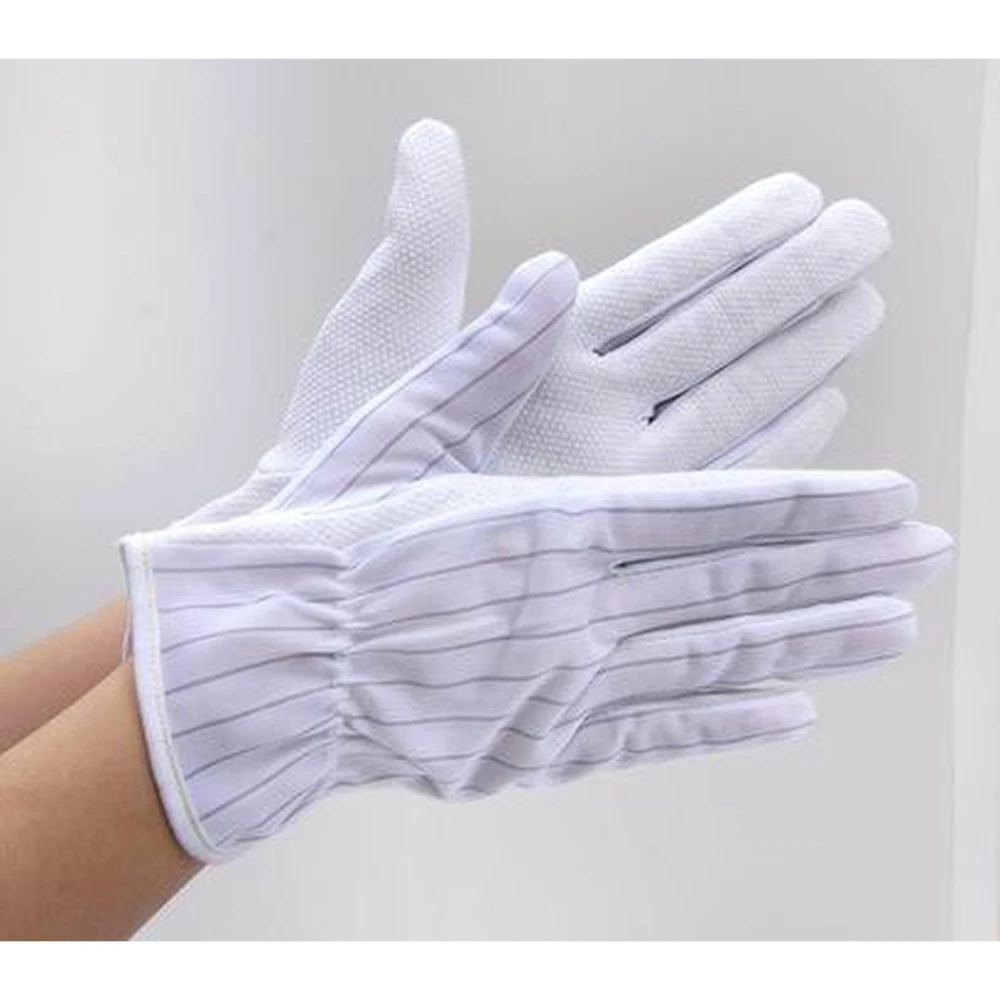
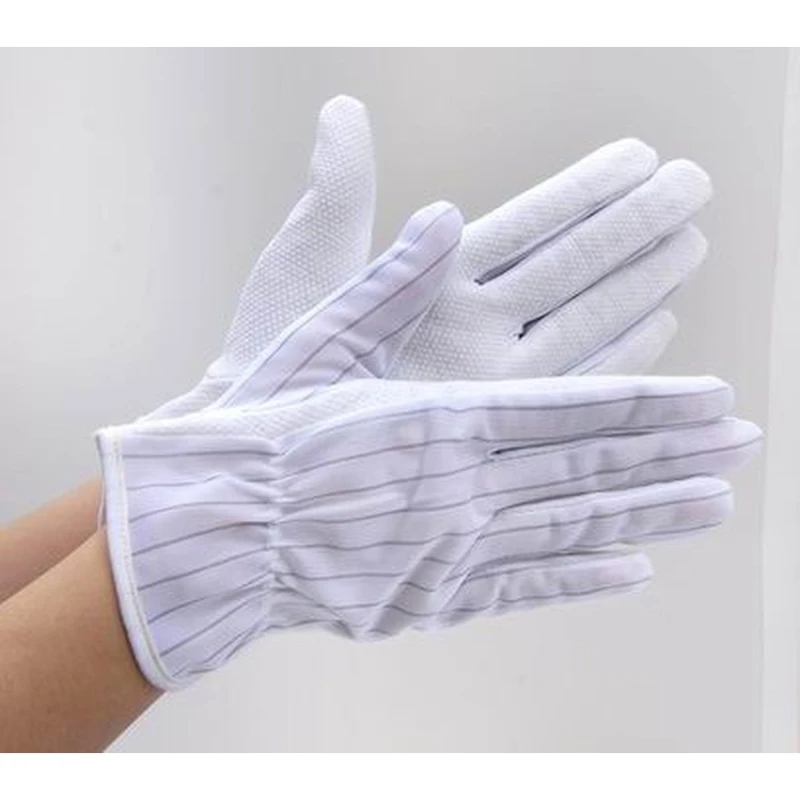
Antistatische handschoenen maat S voor elektronica en solderen
Merk: satkit
2,42€
IVA inbegrepen (Excl. btw: 2,00€)
Op voorraad - Direct verzonden
Standaardlevering
Wo, Apr 22 - Vr, Apr 24
Expresslevering
Ma, Apr 20 - Di, Apr 21
30 dagen retour
Gratis retourneren binnen 30 dagen
Beveiligde transactie






Share:
Gratis bezorging
Bij bestellingen boven 300€
Eenvoudig retourneren
30 dagen retourbeleid
Veilig betalen
100% veilig afrekenen
Kwaliteitsgarantie
Alleen originele producten
De Antistatische Handschoenen Maat S van Satkit zijn ontworpen om effectieve bescherming te bieden tegen elektrostatische ontlading tijdens nauwkeurig werk in elektronica en solderen. Deze handschoenen zijn onmisbaar voor professionals en hobbyisten die gevoelige componenten moeten hanteren zonder risico op schade door statische elektriciteit.
Belangrijkste kenmerken:
- Maat S, geschikt voor kleine handen, voor een comfortabele en veilige pasvorm.
- Antistatisch materiaal dat de opbouw en ontlading van statische elektriciteit minimaliseert.
- Licht en flexibel ontwerp voor nauwkeurige hantering van elektronische onderdelen en soldeergereedschap.
- Aanbevolen voor gebruik op soldeerstations en bij elektronische assemblagewerkzaamheden.
Typische toepassingen:
- Hanteren van gevoelige elektronische componenten.
- Solderen waarbij antistatische bescherming vereist is.
- Montage en reparatie van elektronische apparaten.
Compatibiliteit en aanbevelingen:
- Compatibel met gangbare elektronische apparatuur en soldeergereedschap.
- Aanbevolen voor omgevingen waar controle van statische elektriciteit nodig is om schade aan componenten te voorkomen.
Met de Antistatische Handschoenen Maat S van Satkit ben je verzekerd van betrouwbare bescherming en comfort bij elke taak, terwijl je de integriteit van je elektronische apparaten behoudt en veilig en efficiënt kunt werken.
- Maat S voor een comfortabele pasvorm bij kleine handen
- Antistatisch materiaal dat elektronische componenten beschermt
- Ideaal voor soldeerwerk en elektronica
- Licht en flexibel voor nauwkeurige hantering
- Aanbevolen voor soldeerstations en elektronische montage
Klantvragen & Antwoorden
De quins materials estan fabricats aquests guants i quin és el seu gruix aproximat?
Els guants estan fabricats principalment amb fibres sintètiques (com niló) entrellaçades amb filaments conductors, típicament fibra de carboni. El gruix sol oscil·lar entre 0.5 i 1 mm, permetent la destresa manual i una bona dissipació electrostàtica.
Quin estàndard de protecció antielectrostàtica compleixen aquests guants?
Aquests guants solen complir la norma EN 61340-5-1 per a protecció electrostàtica en entorns de manipulació electrònica. Tanmateix, la certificació exacta depèn del fabricant; es recomana verificar la documentació inclosa per a una confirmació específica.
Com es recomana rentar o mantenir aquests guants sense perdre les seves propietats antiestàtiques?
Es recomana rentar-los a mà amb detergent neutre, sense lleixiu ni suavitzants, i assecar-los a l’aire lluny de fonts de calor. El rentat freqüent pot degradar gradualment la capacitat de dissipació electrostàtica, per la qual cosa és preferible rentar-los només quan sigui necessari.
Quina diferència hi ha entre aquests guants i uns guants de làtex o cotó convencionals per a treballs electrònics?
A diferència dels guants de làtex o cotó, aquests guants incorporen fibres conductores dissenyades específicament per dissipar càrregues electrostàtiques, minimitzant el risc de danyar components sensibles. El làtex i el cotó no ofereixen protecció ESD, de manera que no són adequats en entorns crítics per a electrònica.
What materials are these gloves made from and what is their approximate thickness?
The gloves are mainly made from synthetic fibres (such as nylon) interwoven with conductive filaments, typically carbon fibre. Thickness usually ranges from 0.5 to 1 mm, allowing dexterity and good electrostatic dissipation.
What anti-static protection standard do these gloves comply with?
These gloves usually comply with EN 61340-5-1 for electrostatic protection in electronics handling environments. However, exact certification depends on the manufacturer; it is recommended to check the included documentation for confirmation.
How should these gloves be washed or maintained without losing their anti-static properties?
Hand washing with neutral detergent is recommended, without bleach or fabric softener, and air dry away from heat sources. Frequent washing can gradually reduce electrostatic dissipation capability, so they should only be washed when necessary.
What is the difference between these gloves and conventional latex or cotton gloves for electronics work?
Unlike latex or cotton gloves, these gloves incorporate conductive fibres specifically designed to dissipate electrostatic charges, minimising the risk of damaging sensitive components. Latex and cotton do not provide ESD protection, so they are not suitable in critical electronics environments.
What materials are these gloves made from and what is their approximate thickness?
The gloves are mainly made from synthetic fibres (such as nylon) interwoven with conductive filaments, typically carbon fibre. Thickness usually ranges from 0.5 to 1 mm, allowing dexterity and good electrostatic dissipation.
What anti-static protection standard do these gloves comply with?
These gloves usually comply with EN 61340-5-1 for electrostatic protection in electronics handling environments. However, exact certification depends on the manufacturer; it is recommended to check the included documentation for confirmation.
Schrijf een klantbeoordeling
Klanten die dit artikel kochten, kochten ook
Uw recent bekeken artikelen
 Antistatische handschoenen maat S voor elektronica en solderen
2,42€