


16,13€
Op voorraad
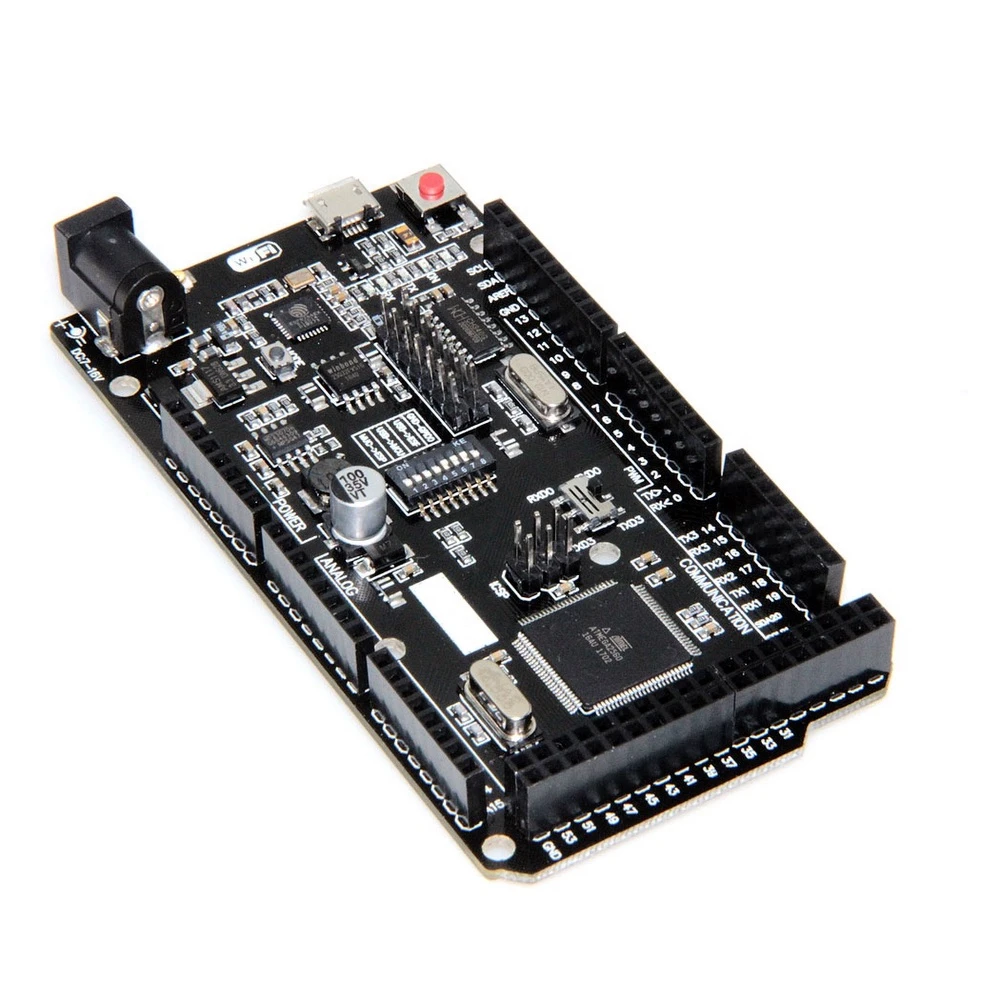
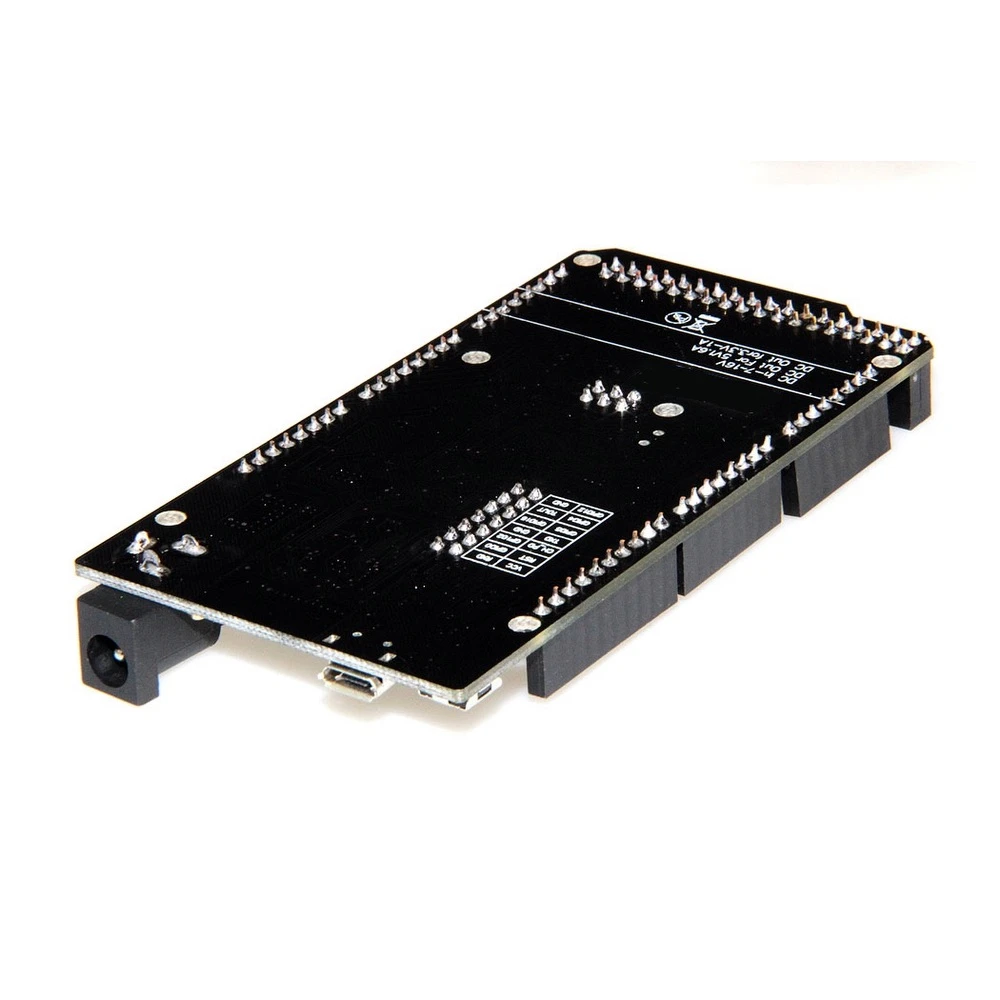
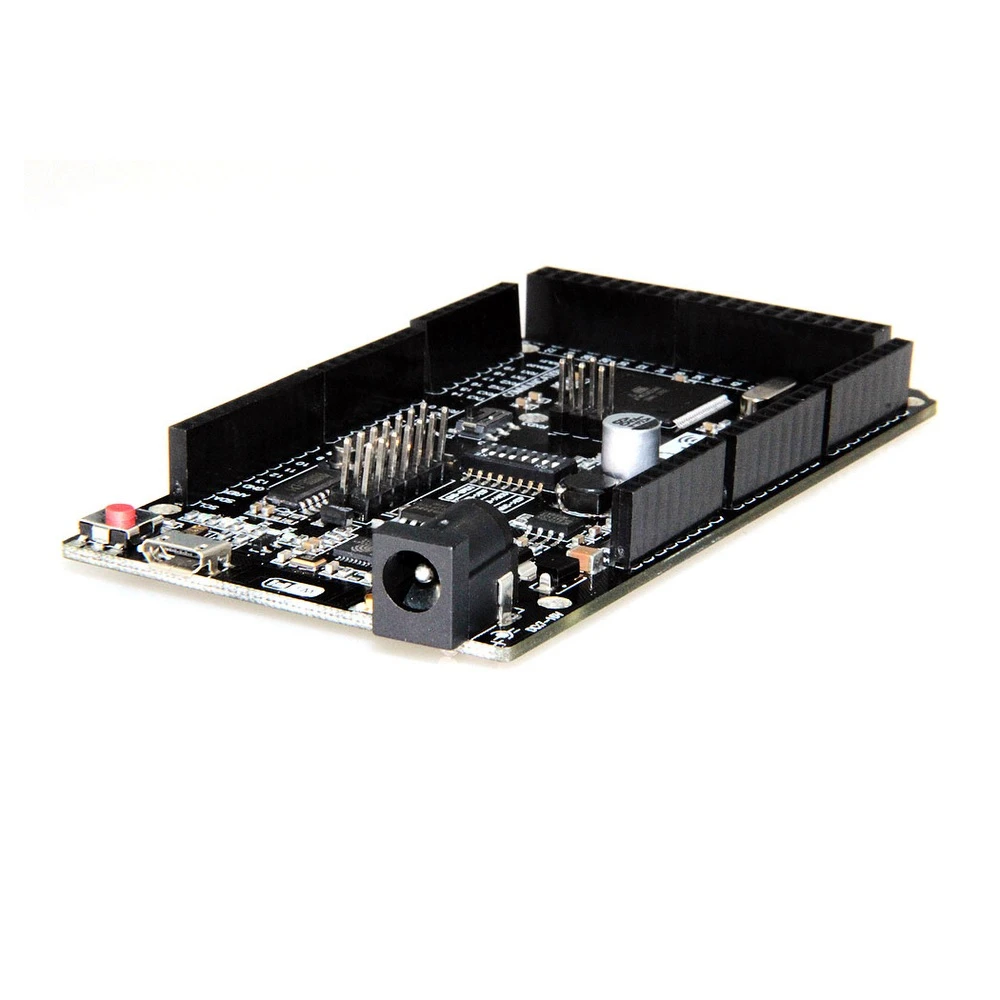
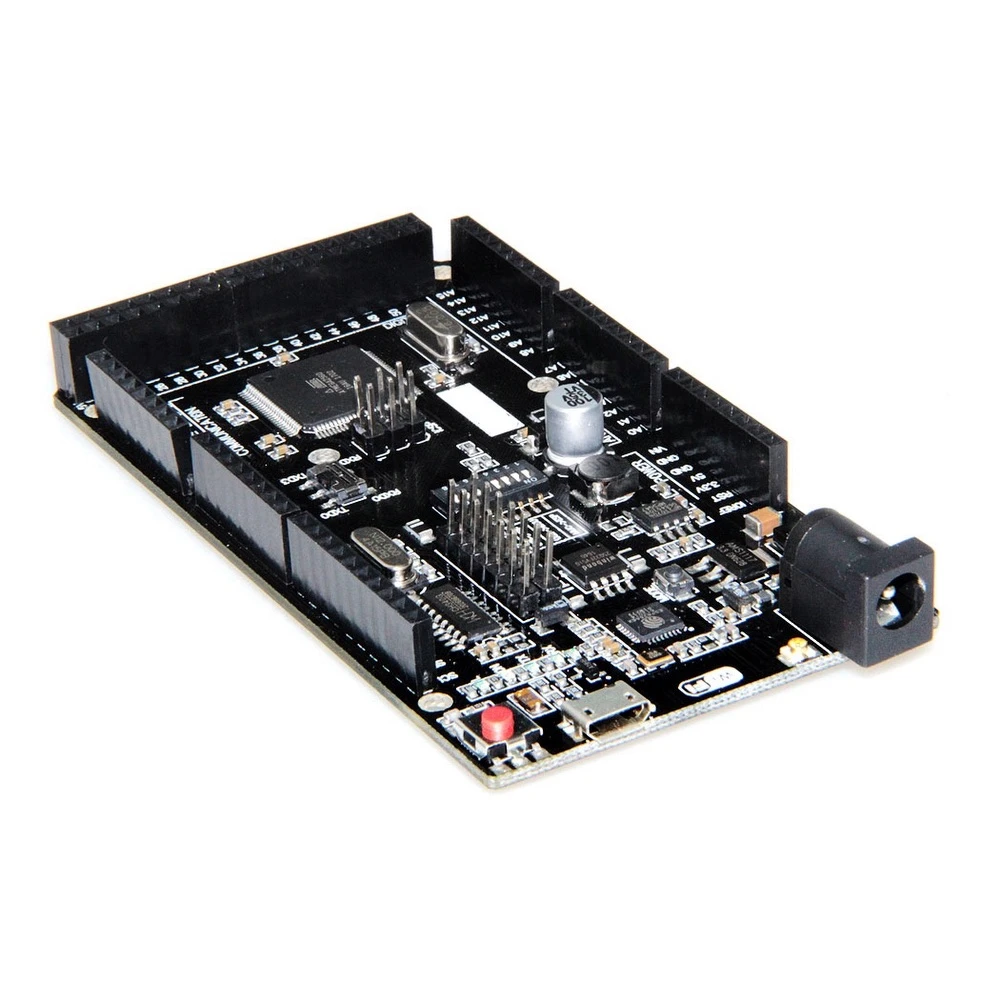
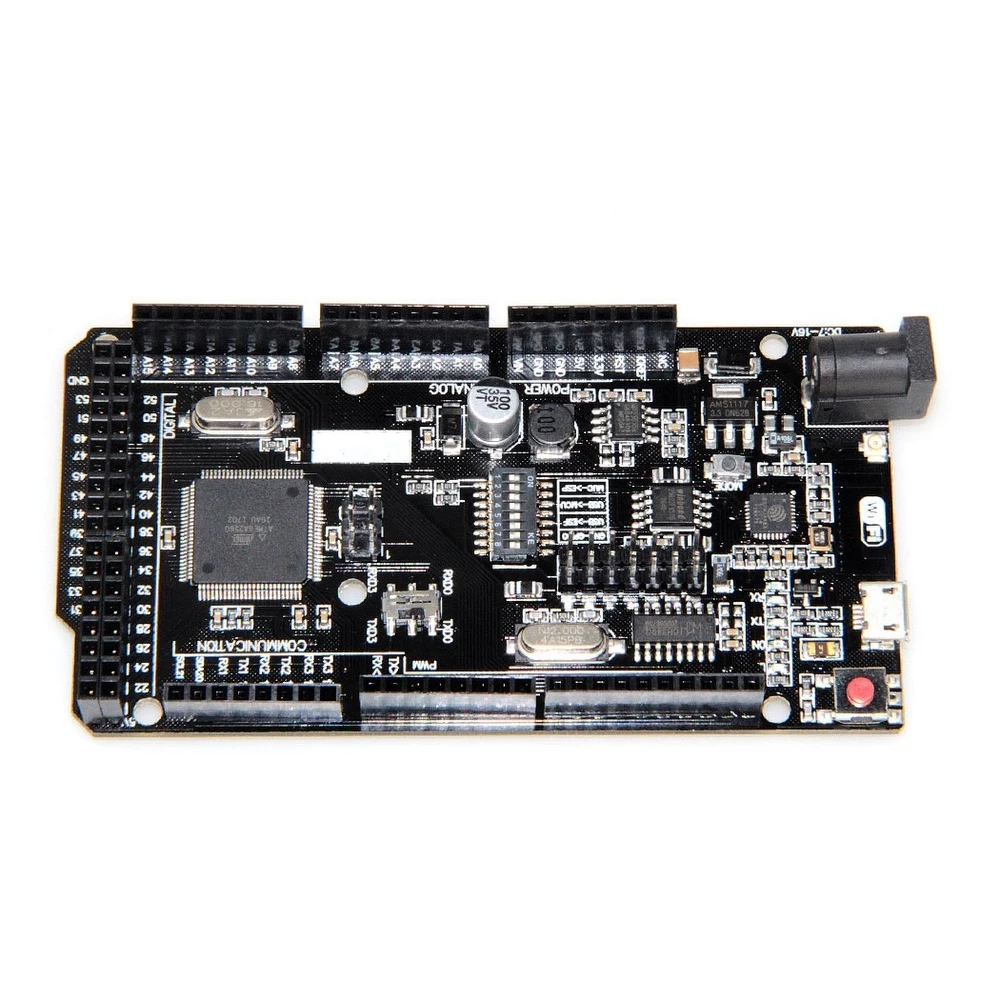
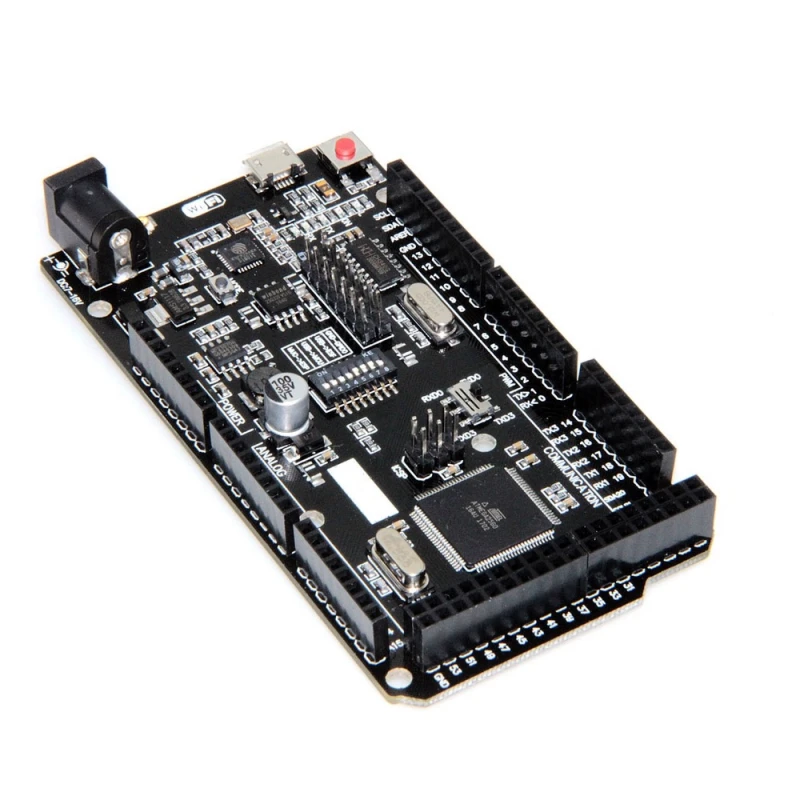
Arduino Mega WiFi R3 ATmega2560 ESP8266 compatibele module met 32Mb geheugen
Merk: satkit
16,13€
IVA inbegrepen (Excl. btw: 13,33€)
Beperkte voorraad
Standaardlevering
Wo, Apr 22 - Vr, Apr 24
Expresslevering
Ma, Apr 20 - Di, Apr 21
30 dagen retour
Gratis retourneren binnen 30 dagen
Beveiligde transactie






Share:
Gratis bezorging
Bij bestellingen boven 300€
Eenvoudig retourneren
30 dagen retourbeleid
Veilig betalen
100% veilig afrekenen
Kwaliteitsgarantie
Alleen originele producten
De Arduino Mega WiFi R3 ATmega2560 ESP8266 compatibele module is een ontwikkelbord dat de kracht van de ATmega2560-microcontroller combineert met de WiFi-connectiviteit van de ESP8266-module, beide geïntegreerd in één apparaat met 32Mb geheugen. Deze integratie maakt het eenvoudiger om projecten te bouwen die zowel verwerkingscapaciteit als draadloze verbinding vereisen.
Belangrijkste kenmerken:
- ATmega2560 Mega R3-microcontroller voor hoge prestaties bij verwerking.
- ESP8266 WiFi-module met 32Mb geheugen voor efficiënte draadloze connectiviteit.
- Modules kunnen samen of afzonderlijk werken, elk met een eigen pinout voor meer flexibiliteit.
- Sketches en firmware kunnen via USB worden geüpdatet dankzij de ingebouwde CH340G USB-serieel converter.
- DIP-schakelaar waarmee de modules in verschillende combinaties kunnen worden aangesloten: USB en ATmega2560, USB en ESP8266, of ATmega2560 en ESP8266.
- Eenvoudig en praktisch in gebruik voor ontwikkelaars en elektronicaliefhebbers.
Technische specificaties:
- Microcontroller: ATmega2560 Mega R3.
- WiFi-module: ESP8266 met 32Mb geheugen.
- USB-serieel converter: geïntegreerde CH340G voor programmering en updates.
- Connectiviteit: USB voor programmering en communicatie met beide modules.
- DIP-schakelaar voor selectie van actieve modules.
Typische toepassingen:
- Ontwikkeling van IoT-projecten die WiFi-connectiviteit en geavanceerde verwerking vereisen.
- Snel prototypen van embedded systemen met draadloze communicatie.
- Educatieve toepassingen om programmeren en elektronica te leren met Arduino en geïntegreerde WiFi.
- Integratie in systemen die afstandsbediening en eenvoudige firmware-updates vereisen.
Compatibiliteit:
Compatibel met de meeste Arduino-bibliotheken en ontwikkelomgevingen. Maakt programmeren en updaten van zowel de ATmega2560 als de ESP8266-module mogelijk via USB. Ideaal voor gebruikers die op zoek zijn naar een alles-in-één oplossing voor projecten met WiFi en een krachtige microcontroller.
Inhoud van de verpakking:
- 1 x Arduino Mega + WiFi R3 ATmega2560 + ESP8266 met 32Mb geheugen.
- Integratie van ATmega2560 Mega R3 en ESP8266 WiFi-module met 32Mb geheugen.
- Modules kunnen samen of afzonderlijk werken met een onafhankelijke pinout.
- Firmware en sketches updaten via USB met CH340G-converter.
- DIP-schakelaar voor het selecteren van verbindingen tussen USB, ATmega2560 en ESP8266.
- Ideaal voor IoT-projecten en ontwikkeling met geïntegreerde WiFi.
Klantvragen & Antwoorden
Quins són els principals avantatges de tenir ATmega2560 i ESP8266 integrats en una sola placa?
La integració d’ATmega2560 i ESP8266 en un sol PCB permet combinar el gran nombre d’E/S del Mega per a projectes complexos amb la connectivitat WiFi de l’ESP8266, sense cablejats addicionals ni problemes de comunicació entre plaques. Això optimitza l’espai, facilita la programació conjunta i redueix el risc d’incompatibilitat de maquinari.
Quina compatibilitat té amb fonts d’alimentació i per què cal considerar el voltatge/màxima intensitat?
La placa admet alimentació per USB (5 V) o per entrada externa (7–12 V DC recomanats; màxim absolut 20 V). Intensitats elevades (>800 mA) poden sobreescalfar el regulador intern, especialment quan s’utilitza l’ESP8266, que consumeix pics de fins a 400 mA. És important fer servir una font estable i amb marge per evitar reinicis per caigudes de tensió.
Hi ha incompatibilitats freqüents entre l’entorn Arduino IDE i aquest mòdul, en comparació amb una placa Mega o ESP8266 estàndard?
En general és compatible amb l’Arduino IDE per a tots dos xips, però poden aparèixer conflictes si els ports COM no es seleccionen correctament, o si no s’ajusta el DIP switch abans de carregar programes. La instal·lació del driver CH340G és imprescindible en alguns sistemes Windows. La coexistència dels dos xips pot requerir ajustos de la consola sèrie.
What are the main advantages of having ATmega2560 and ESP8266 integrated on a single board?
Integrating the ATmega2560 and ESP8266 on a single PCB combines the Mega’s large number of I/O pins for complex projects with the ESP8266’s WiFi connectivity, without extra wiring or communication issues between boards. This optimises space, simplifies joint programming and reduces the risk of hardware incompatibility.
What power supply compatibility does it have and why is it necessary to consider voltage/maximum current?
The board accepts power via USB (5 V) or external input (7–12 V DC recommended; 20 V absolute maximum). High currents (>800 mA) can overheat the internal regulator, especially when using the ESP8266, which can draw peaks of up to 400 mA. It is important to use a stable power supply with sufficient headroom to avoid resets caused by voltage drops.
Are there common incompatibilities between the Arduino IDE environment and this module, compared with a standard Mega or ESP8266 board?
In general it is compatible with the Arduino IDE for both chips, but conflicts may occur if the COM ports are not selected correctly, or if the DIP switch is not set before uploading programs. Installing the CH340G driver is essential on some Windows systems. The coexistence of both chips may require serial console adjustments.
What are the main advantages of having ATmega2560 and ESP8266 integrated on a single board?
Integrating the ATmega2560 and ESP8266 on a single PCB combines the Mega’s large number of I/O pins for complex projects with the ESP8266’s WiFi connectivity, without extra wiring or communication issues between boards. This optimises space, makes joint programming easier and reduces the risk of hardware incompatibility.
What power supply compatibility does it have and why is it necessary to consider voltage/maximum current?
The board accepts power via USB (5 V) or external input (recommended 7–12 V DC; absolute maximum 20 V). High currents (>800 mA) can overheat the internal regulator, especially when using the ESP8266, which draws peaks of up to 400 mA. It is important to use a stable power supply with headroom to avoid resets caused by voltage drops.
Are there common incompatibilities between the Arduino IDE environment and this module, compared with a standard Mega or ESP8266 board?
In general it is compatible with the Arduino IDE for both chips, but conflicts may arise if the COM ports are not selected correctly, or if the DIP switch is not adjusted before uploading programmes. Installing the CH340G driver is essential on some Windows systems. The coexistence of both chips may require serial console adjustments.
Vilka är de främsta fördelarna med att ha ATmega2560 och ESP8266 integrerade på ett enda kort?
Integrationen av ATmega2560 och ESP8266 på ett enda PCB gör det möjligt att kombinera Megas stora antal I/O för komplexa projekt med ESP8266:s WiFi-anslutning, utan extra kabeldragning eller kommunikationsproblem mellan kort. Detta optimerar utrymmet, förenklar gemensam programmering och minskar risken för hårdvaruinkompatibilitet.
Schrijf een klantbeoordeling
Klanten die dit artikel kochten, kochten ook
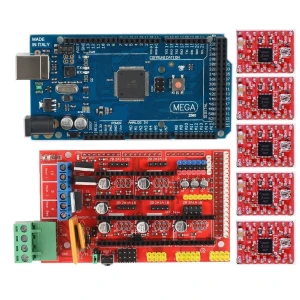
Reprap RAMPS 1.4 + Arduino Mega + 5 A4988 steppermotor drivers voor 3D-printers
31,81€
Nog maar 6 op voorraad
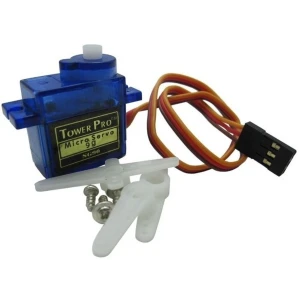
Micro servo Tower Pro SG90 9g voor Arduino - Nauwkeurige en betrouwbare besturing
4,24€
Nog maar 8 op voorraad
Uw recent bekeken artikelen
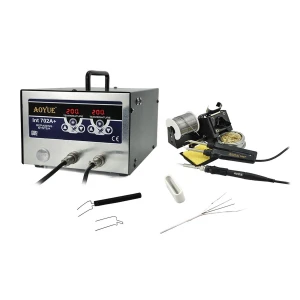
Aoyue Int 702a+ soldeerstation met soldeerbout en pincet voor PCB-reparatie
215,68€
Nog maar 1 op voorraad
 Arduino Mega WiFi R3 ATmega2560 ESP8266 compatibele module met 32Mb geheugen
16,13€