

Soldeertin 0,5 mm 400 gr voor elektronica Alpha
Merk: Alpha
IVA inbegrepen (Excl. btw: 12,01€)






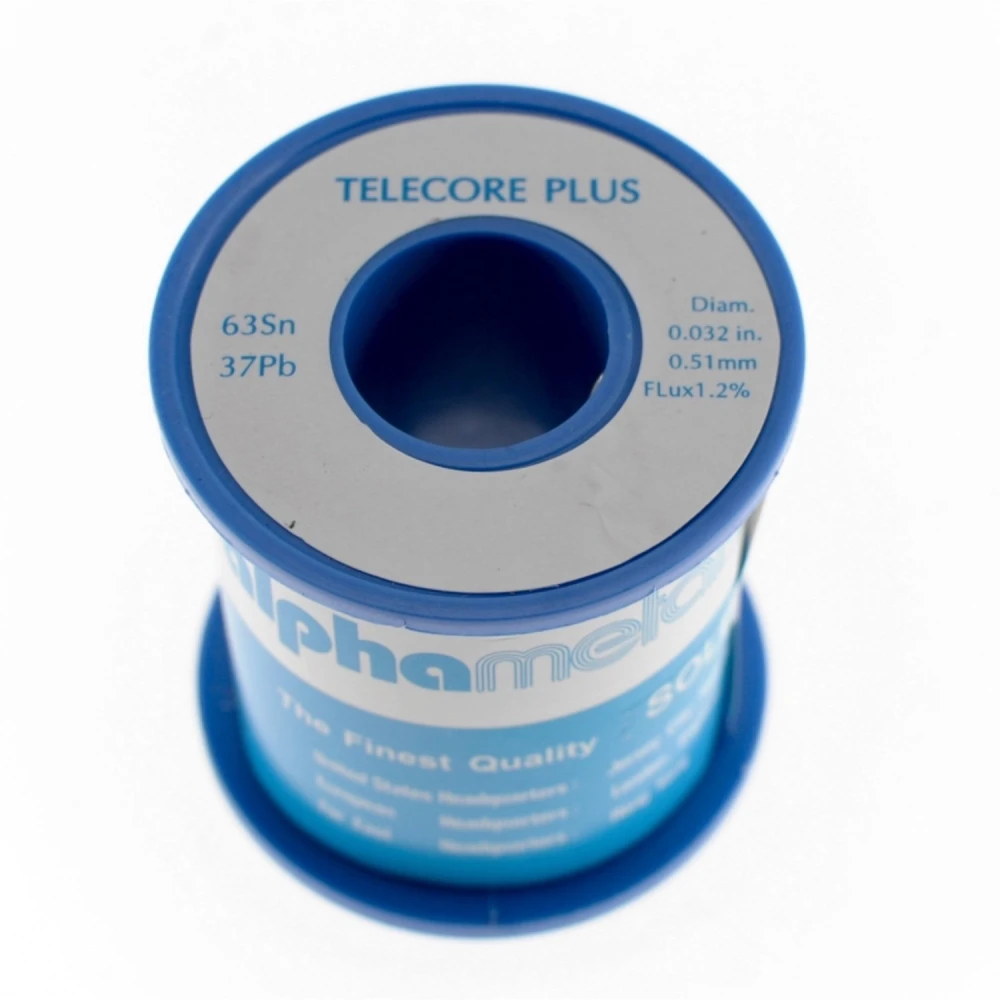
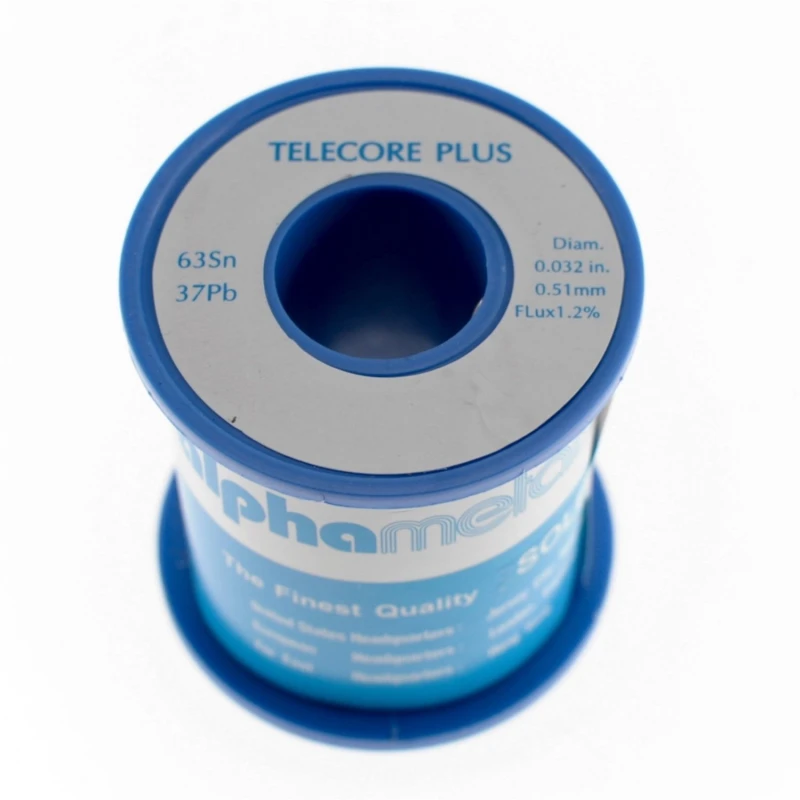
De Soldeertin 0,5 mm 400 gr van het merk Alpha is een product dat speciaal is ontworpen voor fijn elektronicasolderen. De samenstelling van 63% tin en 37% lood (63 Sn/37 Pb) zorgt voor een uitstekende vloeiing en hechting, waardoor het perfect is voor reparaties en elektronische assemblages.
Deze soldeertin voor elektronica heeft een diameter van 0,5 mm, ideaal voor nauwkeurige soldeerverbindingen op kleine en kwetsbare elektronische componenten. Bovendien biedt het gewicht van 400 gram voldoende materiaal voor meerdere toepassingen zonder in te boeten aan kwaliteit.
De geïntegreerde flux in de spoel bedraagt 1,2%, wat het reinigen vergemakkelijkt en de kwaliteit van de soldeerverbinding verbetert door oxidatie tijdens het proces te voorkomen. Deze eigenschap is essentieel voor duurzame en betrouwbare verbindingen in elektronische circuits.
Belangrijkste kenmerken
- Samenstelling: 63% tin en 37% lood (63 Sn/37 Pb)
- Diameter: 0,5 mm voor fijn solderen
- Gewicht: 400 gram
- Flux: 1,2% voor betere hechting en reiniging
- Merk: Alpha, bekend in soldeergereedschap en accessoires
Aanbevolen toepassingen
- Solderen van elektronische componenten op printplaten (PCB)
- Elektronische reparaties die precisie en kwaliteit vereisen
- DIY- en professionele elektronica-projecten
Compatibiliteit
Compatibel met conventionele soldeerstations en gereedschap voor fijn solderen. Geschikt voor soldeerwerk in elektronica dat een traditionele tin-loodsamenstelling vereist voor optimale prestaties.
Opmerking over beschikbaarheid
Momenteel is dit product niet op voorraad. We raden aan om andere soldeertin-opties in onze catalogus te bekijken om uw projecten niet te onderbreken.
- Samenstelling van 63% tin en 37% lood voor hoogwaardige soldeerverbindingen
- Fijne diameter van 0,5 mm, ideaal voor nauwkeurig elektronica-werk
- Gewicht van 400 gram voor متعدد gebruik
- 1,2% flux die het solderen vergemakkelijkt en oxidatie voorkomt
- Merk Alpha, kwaliteitsgarantie in soldeeraccessoires
Klantvragen & Antwoorden
Quin és l’avantatge d’utilitzar un aliatge 63Sn/37Pb amb 1,2% de flux en electrònica davant d’altres composicions?
L’aliatge 63% estany i 37% plom és eutèctic, es fon a 183 °C i solidifica sense rang pastós, cosa que redueix riscos de juntes fredes en electrònica. L’1,2% de flux facilita l’eliminació d’òxids i millora l’adherència. Davant d’altres composicions, aquesta opció permet soldadures més ràpides i netes, però no és compatible amb la normativa RoHS.
Quin és el rendiment típic en metres de fil per bobina i en quin tipus de soldadors es recomana utilitzar-lo?
Una bobina de 400 g, amb diàmetre de 0,5 mm, conté aproximadament 216 metres de fil. És compatible amb la majoria de soldadors elèctrics estàndard tipus llapis o estació, amb potències de 15 a 60 W i puntes fines. Per sota de 15 W pot ser insuficient per fondre l’aliatge eficientment.
Com es compara aquesta bobina davant d’opcions sense plom en termes de facilitat d’ús i durabilitat de la soldadura?
Les soldadures amb 63Sn/37Pb solen ser més fàcils d’aplicar i flueixen millor que les sense plom (com les SnAgCu), permetent acabats brillants i menor fragilitat a llarg termini. Tanmateix, el plom és tòxic i està restringit en moltes regulacions; en contextos on RoHS és exigida, l’opció sense plom és obligatòria, encara que requereixi més temperatura i destresa.
What is the advantage of using a 63Sn/37Pb alloy with 1.2% flux in electronics compared with other compositions?
The 63% tin and 37% lead alloy is eutectic, melting at 183°C and solidifying without a plastic range, which reduces the risk of cold joints in electronics. The 1.2% flux helps remove oxides, improving wetting. Compared with other compositions, this option allows faster, cleaner soldering, but it is not RoHS compliant.
What is the typical wire length per spool, and what type of soldering irons is it recommended for?
A 400 g spool with a 0.5 mm diameter contains approximately 216 metres of wire. It is compatible with most standard electric pencil soldering irons or stations, with power ratings from 15 to 60 W and fine tips. Below 15 W may be insufficient to melt the alloy efficiently.
How does this spool compare with lead-free options in terms of ease of use and solder joint durability?
Solder joints made with 63Sn/37Pb are generally easier to apply and flow better than lead-free ones (such as SnAgCu), producing shiny finishes and less long-term brittleness. However, lead is toxic and restricted under many regulations; where RoHS compliance is required, the lead-free option is mandatory, although it demands higher temperatures and more skill.
What is the advantage of using a 63Sn/37Pb alloy with 1.2% flux in electronics compared with other compositions?
The 63% tin and 37% lead alloy is eutectic, melting at 183°C and solidifying without a pasty range, which reduces the risk of cold joints in electronics. The 1.2% flux helps remove oxides, improving wetting. Compared with other compositions, this option allows faster and cleaner soldering, but it is not compatible with RoHS regulations.
What is the typical wire length per spool, and what type of soldering irons is it recommended for?
A 400 g spool with a 0.5 mm diameter contains approximately 216 metres of wire. It is compatible with most standard pencil-type electric soldering irons or stations, with power ratings from 15 to 60 W and fine tips. Below 15 W may be insufficient to melt the alloy efficiently.
How does this spool compare with lead-free options in terms of ease of use and solder durability?
Soldering with 63Sn/37Pb is generally easier to apply and flows better than lead-free solder (such as SnAgCu), producing shiny finishes and less long-term brittleness. However, lead is toxic and restricted by many regulations; where RoHS compliance is required, lead-free solder is mandatory, although it needs a higher temperature and more skill.
Vilken är fördelen med att använda en 63Sn/37Pb-legering med 1,2% flux inom elektronik jämfört med andra sammansättningar?
Legeringen med 63% tenn och 37% bly är eutektisk och smälter vid 183°C, vilket gör att den stelnar utan pastigt intervall och minskar risken för kalla lödningar inom elektronik. 1,2% flux underlättar borttagning av oxider och förbättrar vidhäftningen. Jämfört med andra sammansättningar ger detta snabbare och renare lödningar, men den är inte kompatibel med RoHS-reglering.
Schrijf een klantbeoordeling
Klanten die dit artikel kochten, kochten ook
Uw recent bekeken artikelen