



2,18€
Op voorraad
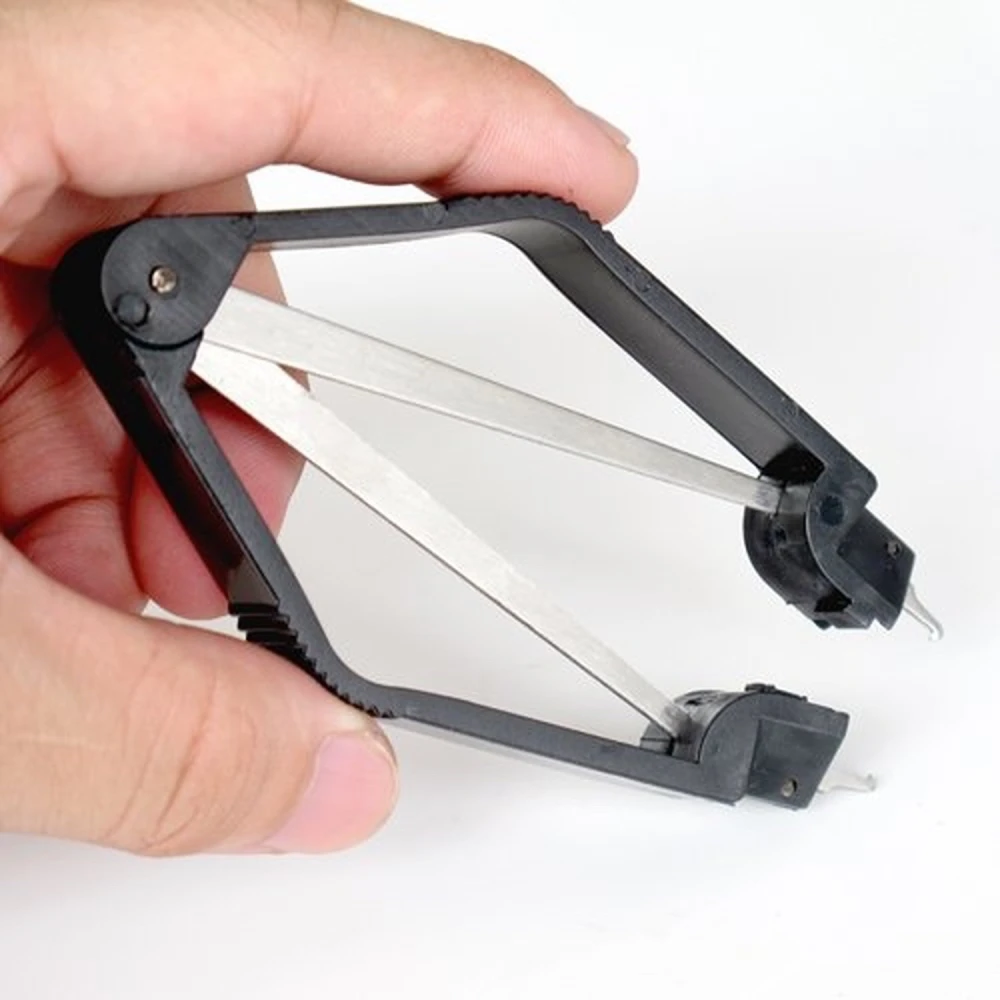
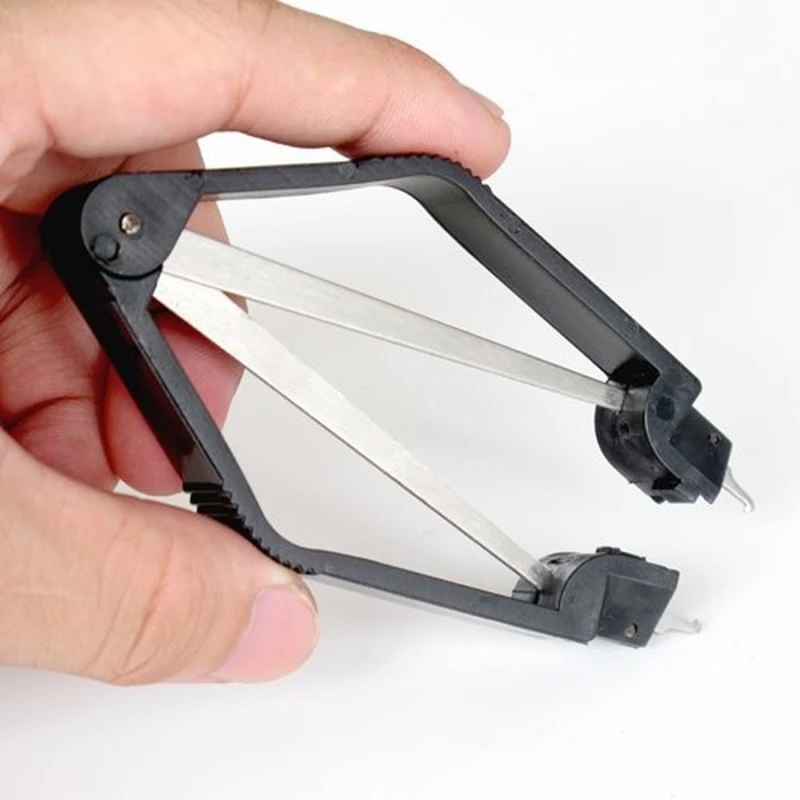
Antistatische PLCC-trekpincet - Professioneel Mlink gereedschap
Merk: Mlink
2,18€
IVA inbegrepen (Excl. btw: 1,80€)
Op voorraad - Direct verzonden
Standaardlevering
Wo, Apr 22 - Vr, Apr 24
Expresslevering
Ma, Apr 20 - Di, Apr 21
30 dagen retour
Gratis retourneren binnen 30 dagen
Beveiligde transactie






Share:
Gratis bezorging
Bij bestellingen boven 300€
Eenvoudig retourneren
30 dagen retourbeleid
Veilig betalen
100% veilig afrekenen
Kwaliteitsgarantie
Alleen originele producten
De Antistatische Elektronica PLCC-trekpincet van het merk Mlink is een gespecialiseerd gereedschap dat is ontworpen voor het veilig en efficiënt hanteren van PLCC-geïntegreerde schakelingen van 20 tot 124 pins. Deze pincet is onmisbaar voor technici en professionals die werken met kwetsbare elektronische componenten en precisie en bescherming tegen elektrostatische ontladingen nodig hebben.
Belangrijkste kenmerken:
- Isolerend thermoplastisch materiaal: Gemaakt van materialen die beschermen tegen statische elektriciteit, zodat elektronische componenten geen schade oplopen tijdens het verwijderen.
- Pincet van roestvrij staal: Biedt duurzaamheid en corrosiebestendigheid, met behoud van de integriteit en precisie van het gereedschap op lange termijn.
- Automatische opening: Maakt het snel en veilig hanteren van PLCC-chips eenvoudiger en verkleint het risico op mechanische schade.
- ESD-compatibiliteit: Geschikt bevonden voor werkzaamheden in omgevingen die gevoelig zijn voor elektrostatische ontlading, ter bescherming van de meest kwetsbare elektronische componenten.
Typische toepassingen:
- Verwijderen en hanteren van PLCC-chips bij reparaties en onderhoud van elektronische apparaten.
- Installatie en demontage van geïntegreerde schakelingen bij soldeer- en reballingstations.
- Werkzaamheden in elektronicalaboratoria waar precisie en antistatische zorg vereist zijn.
Compatibiliteit: Deze pincet is geschikt voor een breed scala aan PLCC-chips, vooral die met een bereik van 20 tot 124 pins, en is daarmee een veelzijdig gereedschap voor diverse toepassingen in de elektronica.
Samengevat combineren de antistatische PLCC-trekpincet van Mlink veiligheid, precisie en duurzaamheid, en zijn ze onmisbaar voor professionals die hun elektronische componenten willen beschermen tijdens het verwijderen.
- Isolerend thermoplastisch materiaal voor antistatische bescherming
- Pincet van roestvrij staal voor extra duurzaamheid
- Automatische opening voor snel en veilig gebruik
- Geschikt voor PLCC-chips van 20 tot 124 pins
- Geschikt voor ESD-omgevingen, beschermt gevoelige componenten
Klantvragen & Antwoorden
Quins avantatges ofereix utilitzar aquestes pinces antiestàtiques davant d’altres mètodes d’extracció de PLCC?
Les pinces antiestàtiques específiques per a PLCC permeten una extracció segura en evitar l’acumulació d’electricitat estàtica que podria danyar els components sensibles. En comparació amb eines genèriques o tornavisos, redueixen el risc de doblegar pins o generar descàrregues ESD, a més d’optimitzar el control i la precisió durant la retirada de circuits integrats.
Quins són els materials de fabricació exactes i les dimensions de la pinça?
La pinça consisteix en puntes d’acer inoxidable i un cos de termoplàstic aïllant, tots dos aptes per a entorns ESD. Les dimensions típiques són de 120 mm a 130 mm de llarg, amb un pes aproximat de 30 g. Es recomana consultar el model específic per a toleràncies menors de ±2 mm.
És compatible amb tots els encapsulats PLCC dins del rang de 20 a 124 pins o hi ha excepcions?
El disseny cobreix la majoria dels encapsulats PLCC estàndard des de 20 fins a 124 pins, incloent-hi variants quadrades i rectangulars petites. Tanmateix, en encapsulats personalitzats o amb relleus atípics pot haver-hi limitacions en la subjecció, per la qual cosa s’aconsella revisar les especificacions exactes del xip abans d’utilitzar-lo.
Requereix algun manteniment especial la pinça antiestàtica a llarg termini?
El manteniment és mínim: n’hi ha prou amb netejar les superfícies metàl·liques periòdicament amb un drap sec per evitar residus conductius i verificar que el mecanisme de molla mantingui la seva funcionalitat. No es recomana l’ús de solvents agressius. És fonamental emmagatzemar la pinça en un ambient sec per evitar corrosió.
Com es compara la seva vida útil i precisió davant d’eines genèriques no ESD en manipular circuits integrats?
Les pinces antiestàtiques mantenen una vida útil superior i una precisió més gran en la manipulació, principalment perquè eviten la transferència de càrregues elèctriques nocives i presenten materials resistents a la fatiga per ús repetit. Les eines no ESD poden deixar residus estàtics i deformar pins amb més facilitat, a més de desgastar-se ràpidament amb un ús intensiu.
What advantages do these anti-static tweezers offer compared with other PLCC removal methods?
These anti-static tweezers for PLCC allow safe removal by preventing the build-up of static electricity that could damage sensitive components. Compared with generic tools or screwdrivers, they reduce the risk of bending pins or causing ESD discharge, while also improving control and precision when removing integrated circuits.
What are the exact manufacturing materials and dimensions of the tweezers?
The tweezers consist of stainless steel tips and an insulating thermoplastic body, both suitable for ESD environments. Typical dimensions are 120 mm to 130 mm in length, with an approximate weight of 30 g. It is advisable to check the specific model for tolerances of less than ±2 mm.
Is it compatible with all PLCC packages in the 20 to 124-pin range, or are there exceptions?
The design covers most standard PLCC packages from 20 to 124 pins, including square and small rectangular variants. However, custom packages or those with unusual protrusions may have clamping limitations, so it is advisable to check the chip’s exact specifications before use.
Does the anti-static tweezers require any special maintenance in the long term?
Maintenance is minimal: simply clean the metal surfaces periodically with a dry cloth to avoid conductive residue and check that the spring mechanism remains functional. The use of aggressive solvents is not recommended. It is essential to store the tweezers in a dry environment to prevent corrosion.
How does its service life and precision compare with generic non-ESD tools when handling integrated circuits?
Anti-static tweezers have a longer service life and greater handling precision, mainly because they prevent the transfer of harmful electrical charges and use materials resistant to fatigue from repeated use. Non-ESD tools can leave static residue and bend pins more easily, as well as wear out more quickly under intensive use.
Schrijf een klantbeoordeling
Klanten die dit artikel kochten, kochten ook

Uw recent bekeken artikelen

 Antistatische PLCC-trekpincet - Professioneel Mlink gereedschap
2,18€