


0,59€
Op voorraad
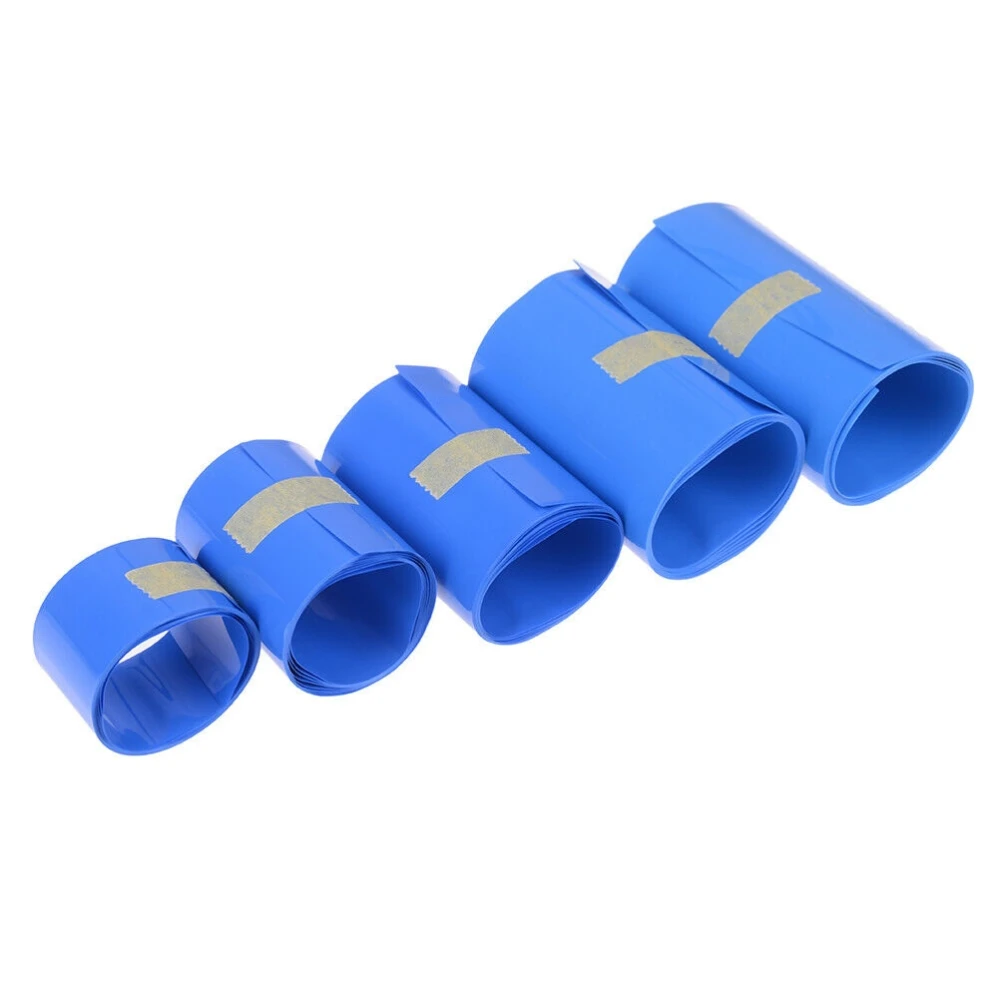
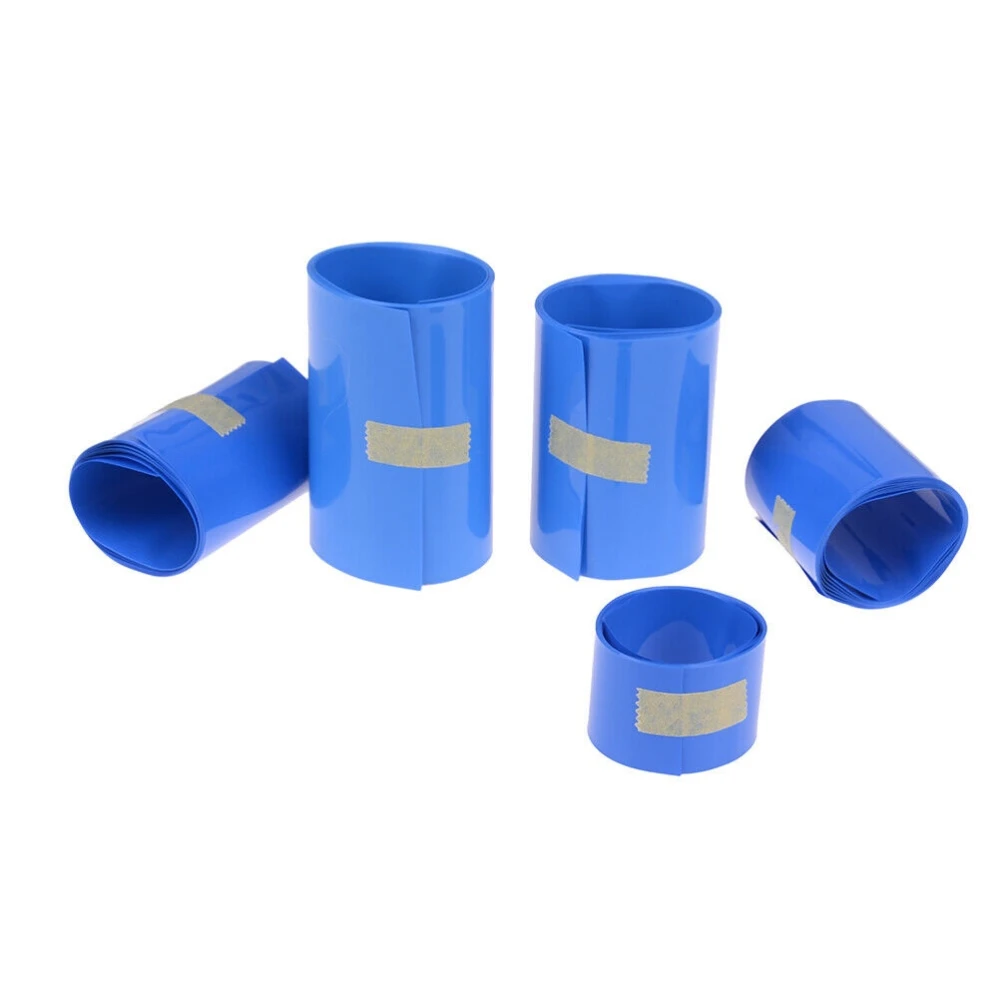
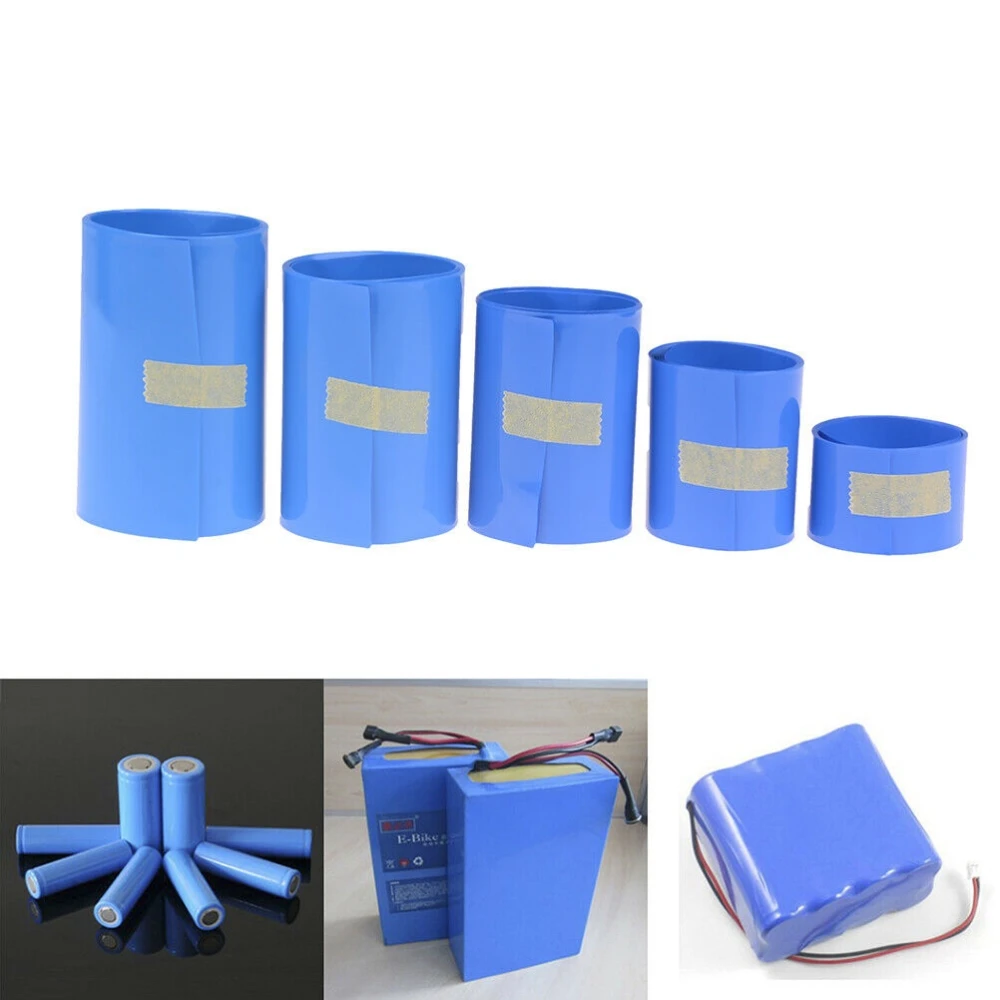
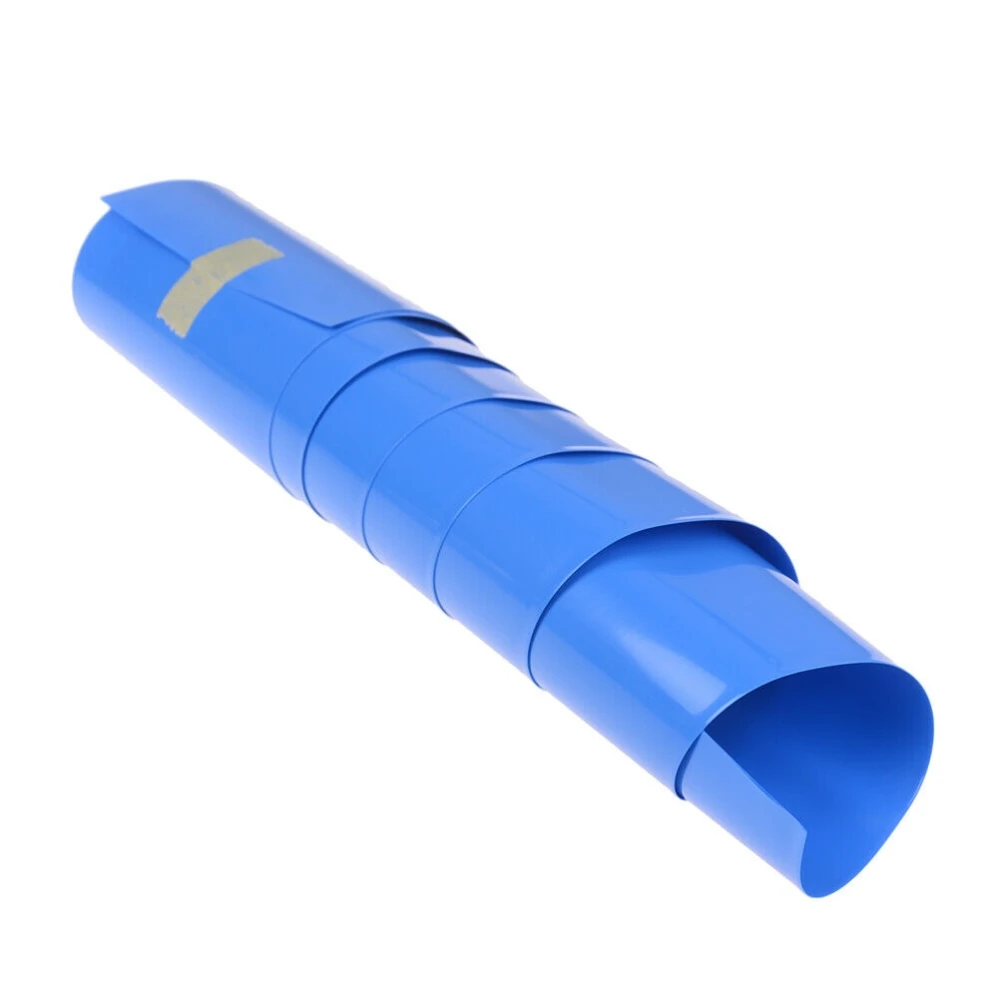
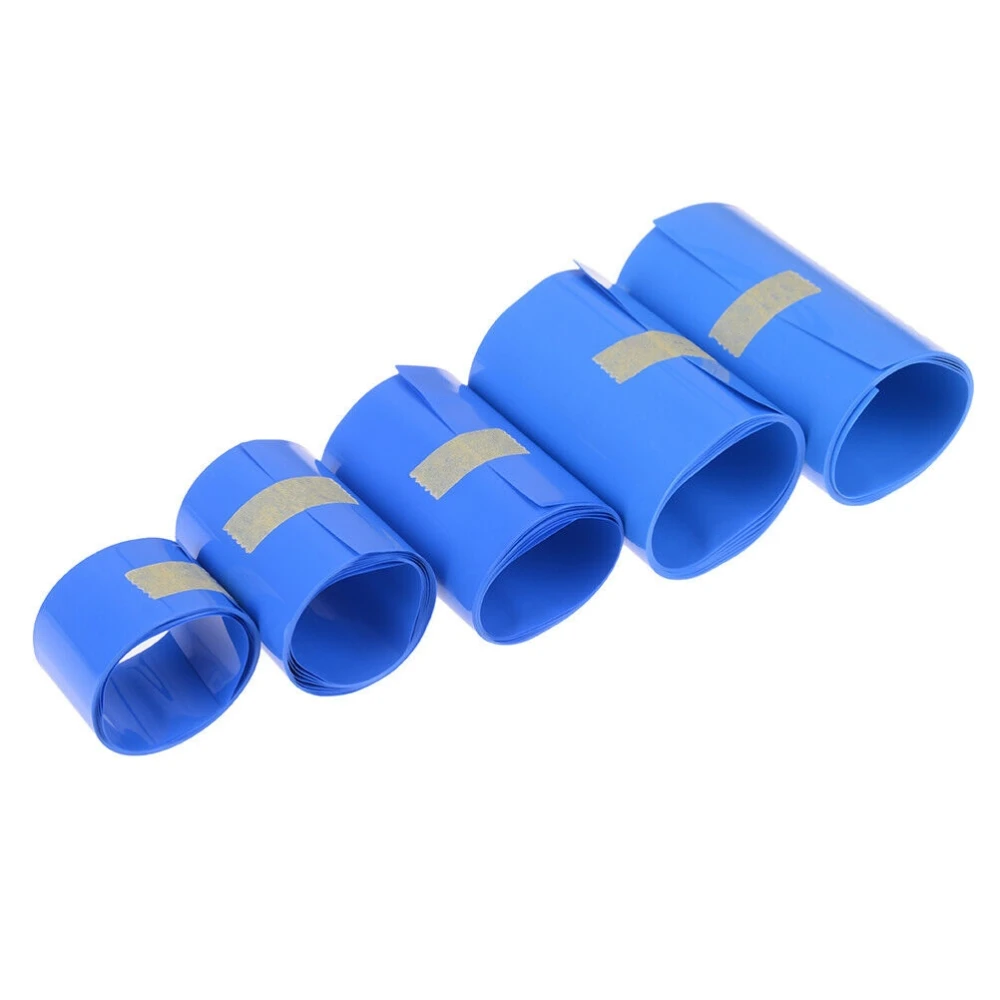
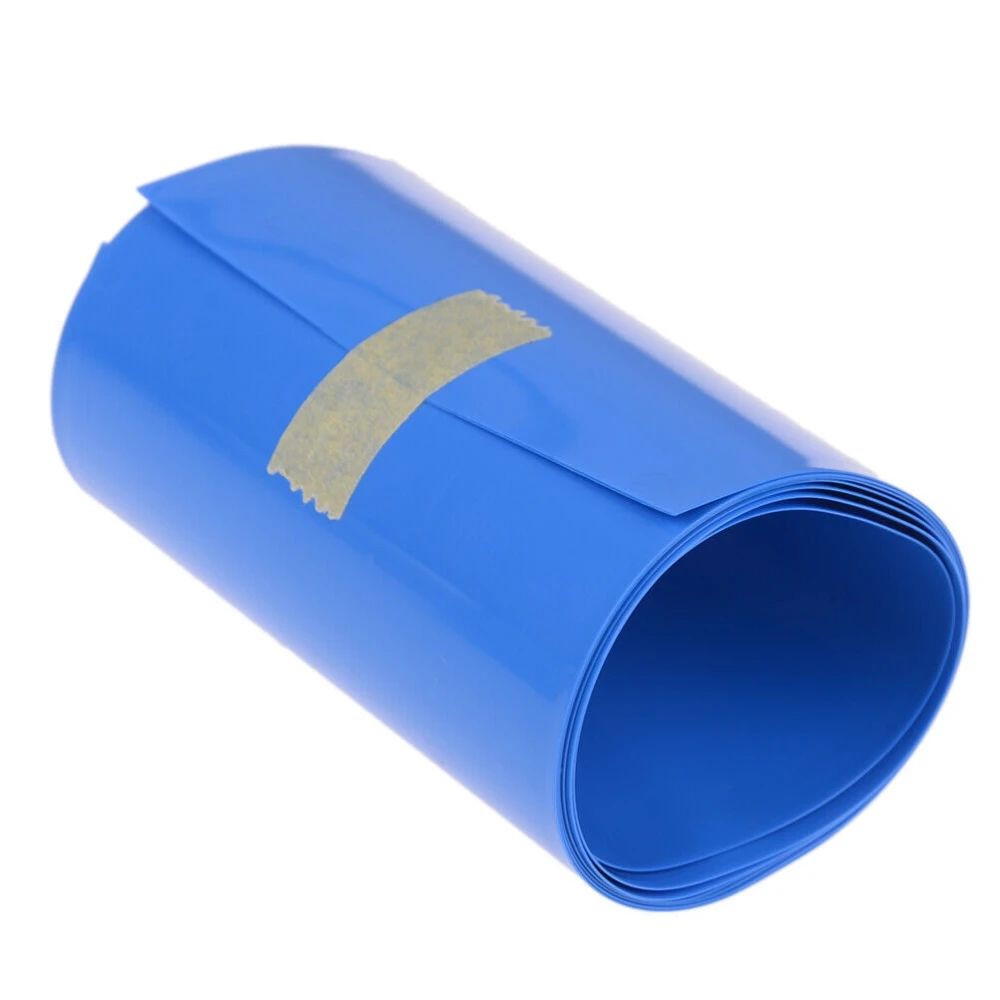
Sunkko PVC krimpkous 1m x 230mm x 0.15mm voor batterijpack
Merk: Sunkko
0,59€
IVA inbegrepen (Excl. btw: 0,49€)
Op voorraad - Direct verzonden
Standaardlevering
Wo, Apr 22 - Vr, Apr 24
Expresslevering
Ma, Apr 20 - Di, Apr 21
30 dagen retour
Gratis retourneren binnen 30 dagen
Beveiligde transactie






Share:
Gratis bezorging
Bij bestellingen boven 300€
Eenvoudig retourneren
30 dagen retourbeleid
Veilig betalen
100% veilig afrekenen
Kwaliteitsgarantie
Alleen originele producten
Productbeschrijving
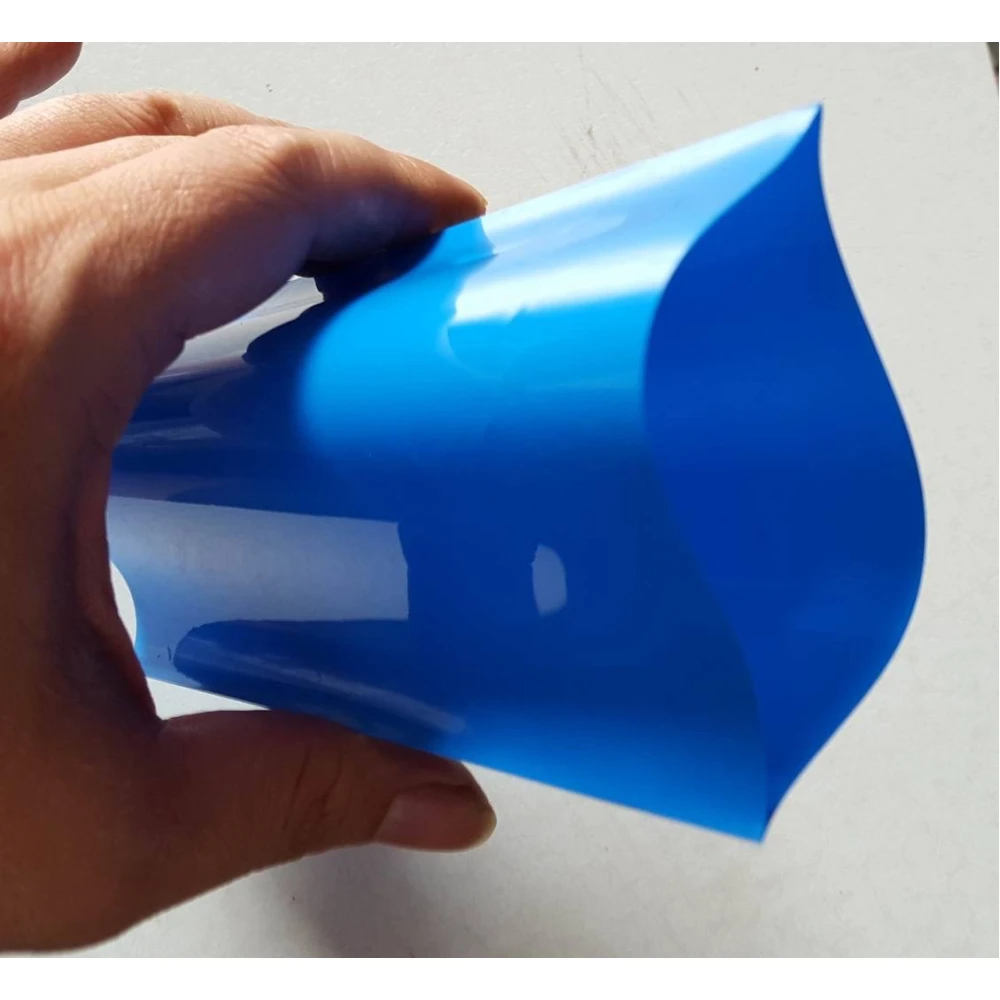
De PVC krimpkous 1m x 230mm x 0.15mm voor batterijpack is een essentieel accessoire voor de bescherming en isolatie van elektronische componenten en batterijen. Deze kous is vervaardigd door Sunkko en biedt stabiele prestaties en snelle krimp bij lage temperatuur, wat de veiligheid en duurzaamheid van de toepassingen waar hij wordt gebruikt garandeert.
Belangrijkste kenmerken:
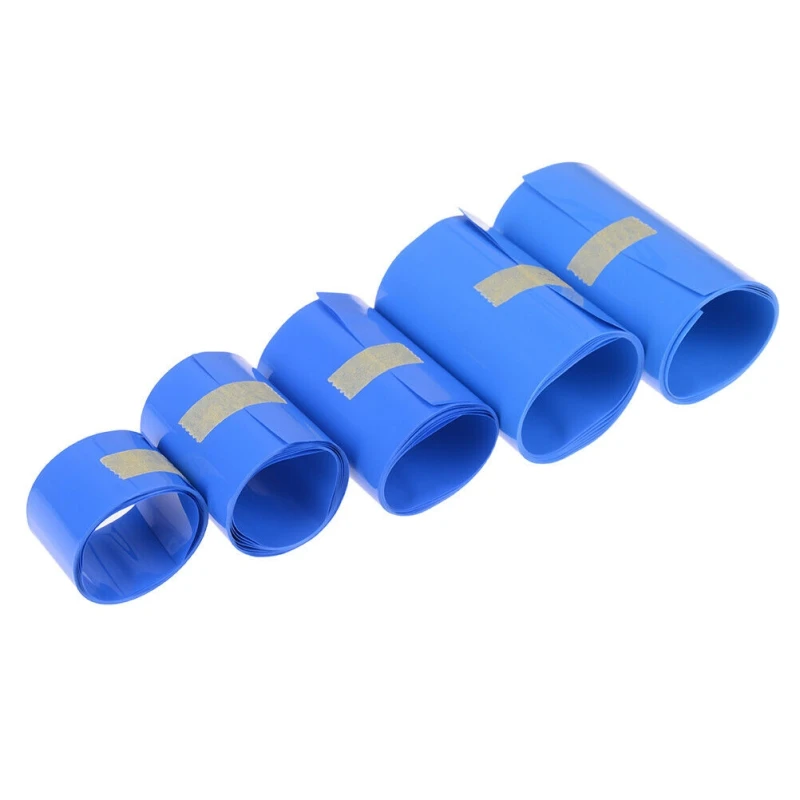
- Afmetingen: 1 meter lengte, 230 mm diameter en 0.15 mm dikte.
- Krimptemperatuur: 80 °C.
- Gebruikstemperatuurbereik: van -40 °C tot 105 °C, temperatuurklasse 105 °C.
- Ongeveer krimp: 48±5%.
- Nominale spanning: 300V.
- Kleur: blauw.
Typische toepassingen:
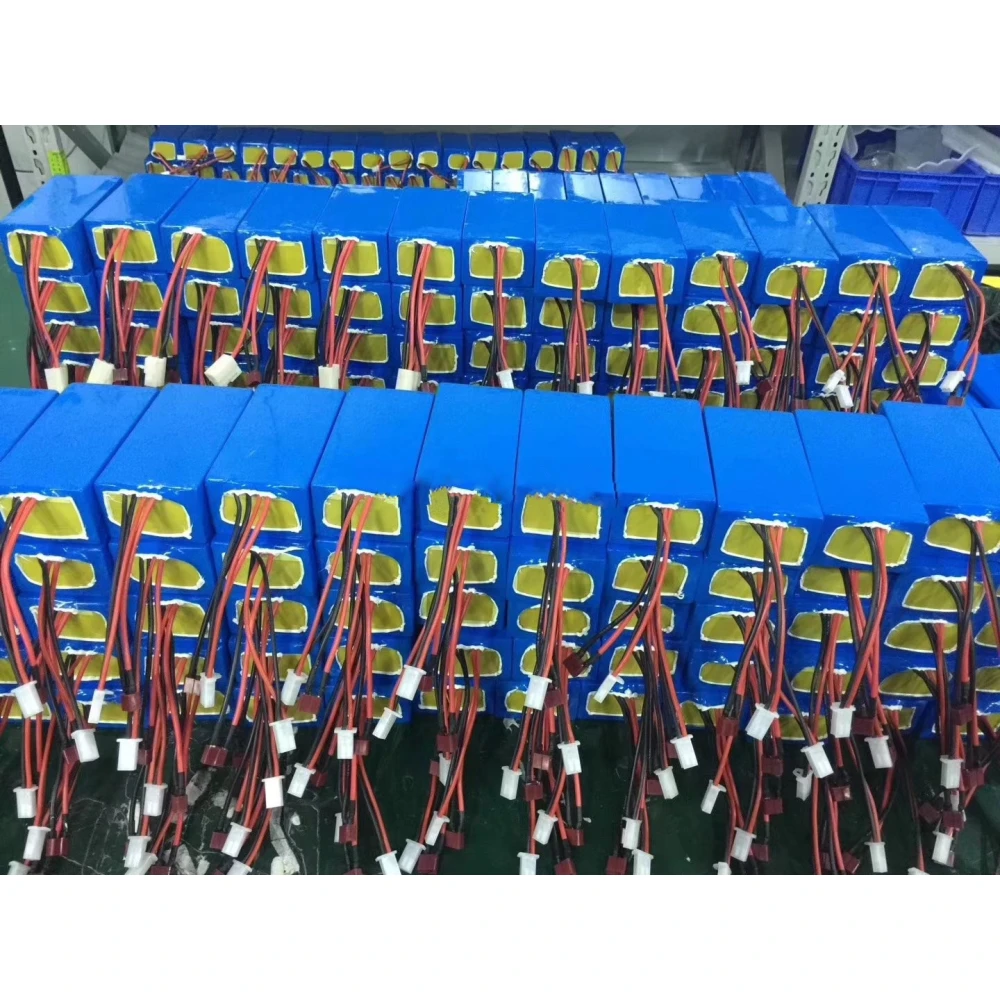
Deze krimpkous is ideaal voor de isolatie en bescherming van elektrolytische condensatoren, batterijen, lithiumbatterijpacks, elektronische componenten, LED-verlichting, gecombineerde verpakkingen en meer. Daarnaast helpt hij de afwerking er netter uit te laten zien, behoudt hij warmte en beschermt hij tegen vocht, corrosie, stof en andere invloeden van buitenaf.
Gebruiksaanwijzing:
- Voor korte krimpkousen wordt aanbevolen een aansteker of een heteluchtpistool te gebruiken om de krimp te voltooien.
- Het gebruik van een elektrochrome strijkijzer om de kous te laten krimpen wordt niet aanbevolen.
- Zorg er bij het verwarmen voor dat u de juiste temperatuur toepast om schade aan de kous of het beschermde onderdeel te voorkomen.
Compatibiliteit:
Compatibel met een breed scala aan elektronische componenten en batterijen, vooral handig voor lithiumbatterijpacks en elektrolytische condensatoren.
Inhoud van de verpakking:
1 meter blauwe PVC krimpkous.
Deze Sunkko krimpkous is een praktische en efficiënte oplossing voor bescherming en isolatie in elektronische en batterijprojecten, met duurzaamheid en veiligheid als resultaat.
- Afmetingen: 1m x 230mm x 0.15mm
- Krimptemperatuur: 80 °C
- Temperatuurbereik: -40 °C tot 105 °C
- Krimp: 48±5%
- Nominale spanning: 300V
- Blauwe kleur voor eenvoudige herkenning
- Ideaal voor batterijen, condensatoren en elektronische componenten
- Bescherming tegen vocht, stof en corrosie
- Aanbevolen gebruik met aansteker of heteluchtpistool
- Niet gebruiken met een elektrochrome strijkijzer om te laten krimpen
Klantvragen & Antwoorden
Quins avantatges ofereix el tub termoretràctil de PVC davant d’altres materials com la poliolefina per a l’aïllament de bateries?
El tub termoretràctil de PVC destaca per la seva resistència química, baix cost i una contracció ràpida a partir de 80 °C, cosa que facilita l’aplicació en tasques d’assemblatge de packs de bateries. Tanmateix, materials com la poliolefina ofereixen millor flexibilitat i un rang de temperatura de funcionament més ampli, però solen ser més cars. L’elecció depèn dels requisits de protecció, l’entorn operatiu i el pressupost.
Quines són les dimensions exactes del tub i es pot tallar fàcilment a mida?
El tub té una longitud d’1 metre, un ample pla de 230 mm i un gruix de paret de 0,15 mm. Es pot tallar fàcilment a la longitud desitjada amb tisores o cúter, adaptant-se a diferents mides de bateries o components electrònics.
Quines eines i temperatures es recomanen per aconseguir una contracció uniforme i segura en aplicacions de bateries?
Per a una contracció uniforme, es recomana utilitzar una pistola d’aire calent a una temperatura controlada des de 80 °C, que és el llindar de contracció del PVC. No és recomanable fer servir fonts de calor concentrat com el soldador, ja que pot generar deformacions o cremades. Assegurar un escalfament gradual i homogeni millora els resultats.
El tub suporta exposició contínua a altes temperatures o ambients exigents en sistemes de bateries industrials?
El tub té un rang operatiu de -40 °C a 105 °C i una classe de temperatura de 105 °C. Exposicions contínues per sobre d’aquest valor poden degradar el material, reduir la seva eficàcia aïllant i provocar rigidesa o fissures. En ambients industrials on se superin aquestes condicions, seria convenient avaluar alternatives amb més tolerància tèrmica.
Hi ha certificacions de seguretat o compliment normatiu rellevant per a l’ús del tub en sistemes elèctrics?
El producte no esmenta certificacions específiques com UL, RoHS o CE. Tot i que compleix amb estàndards bàsics d’aïllament i una tensió nominal de 300 V, per a aplicacions subjectes a normatives estrictes es recomana verificar requisits particulars o sol·licitar documentació tècnica addicional.
What advantages does PVC heat-shrink tubing offer over other materials such as polyolefin for battery insulation?
PVC heat-shrink tubing stands out for its chemical resistance, low cost and rapid shrink from 80 °C, which makes it easy to apply in battery pack assembly tasks. However, materials such as polyolefin offer better flexibility and a wider operating temperature range, but are usually more expensive. The choice depends on protection requirements, operating environment and budget.
What are the exact dimensions of the tubing and can it be cut easily to size?
The tubing is 1 metre long, 230 mm flat width and 0.15 mm wall thickness. It can be cut easily to the desired length with scissors or a craft knife, adapting to different battery sizes or electronic components.
What tools and temperatures are recommended to achieve a uniform and safe shrink in battery applications?
For a uniform shrink, it is recommended to use a hot air gun at a controlled temperature from 80 °C, which is the PVC shrink threshold. It is not advisable to use concentrated heat sources such as a soldering iron, as this may cause deformation or scorching. Gradual and even heating improves the results.
Can the tubing withstand continuous exposure to high temperatures or demanding environments in industrial battery systems?
The tubing has an operating range of -40 °C to 105 °C and a temperature class of 105 °C. Continuous exposure above this value can degrade the material, reduce its insulating effectiveness and cause stiffness or cracking. In industrial environments where these conditions are exceeded, it would be advisable to consider alternatives with higher thermal tolerance.
Are there any safety certifications or regulatory compliance relevant to using the tubing in electrical systems?
The product does not mention specific certifications such as UL, RoHS or CE. Although it meets basic insulation standards and has a rated voltage of 300 V, for applications subject to strict regulations it is recommended to check the specific requirements or request additional technical documentation.
Schrijf een klantbeoordeling
Klanten die dit artikel kochten, kochten ook

Uw recent bekeken artikelen
 Sunkko PVC krimpkous 1m x 230mm x 0.15mm voor batterijpack
0,59€