


0,27€
Op voorraad
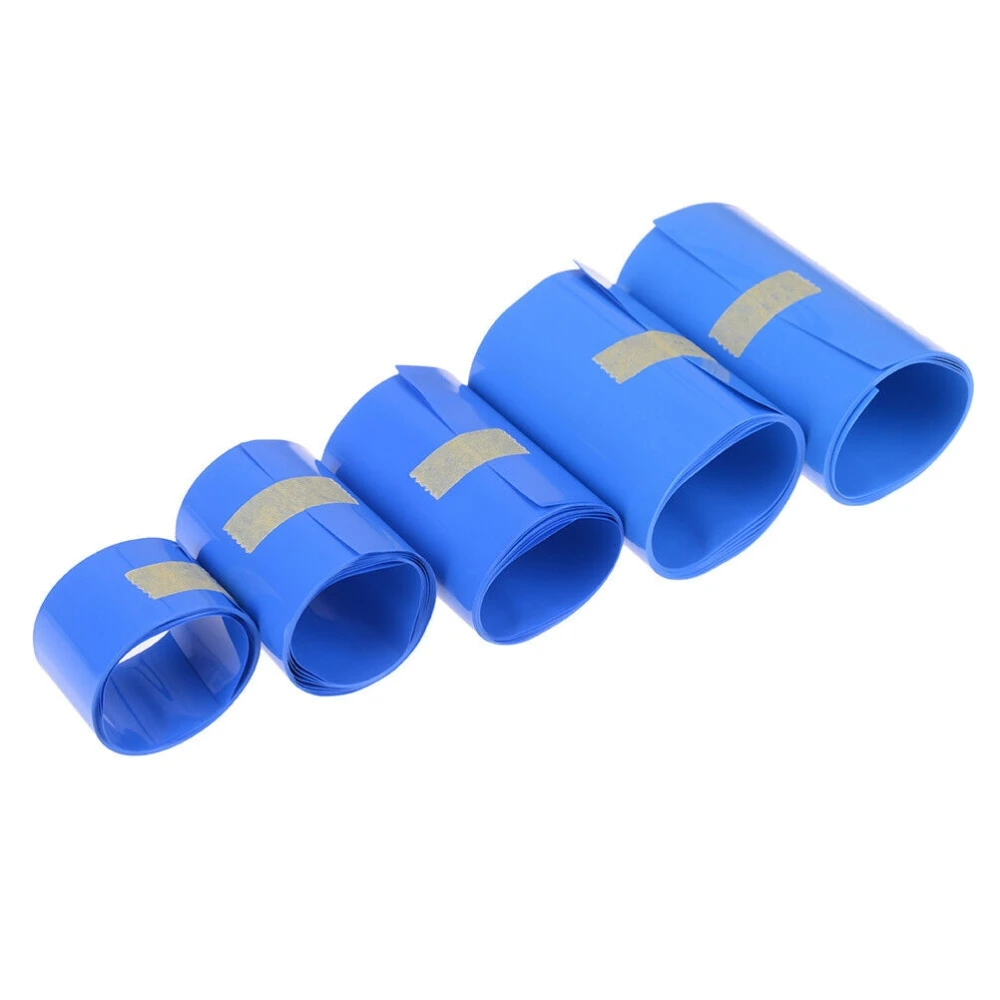
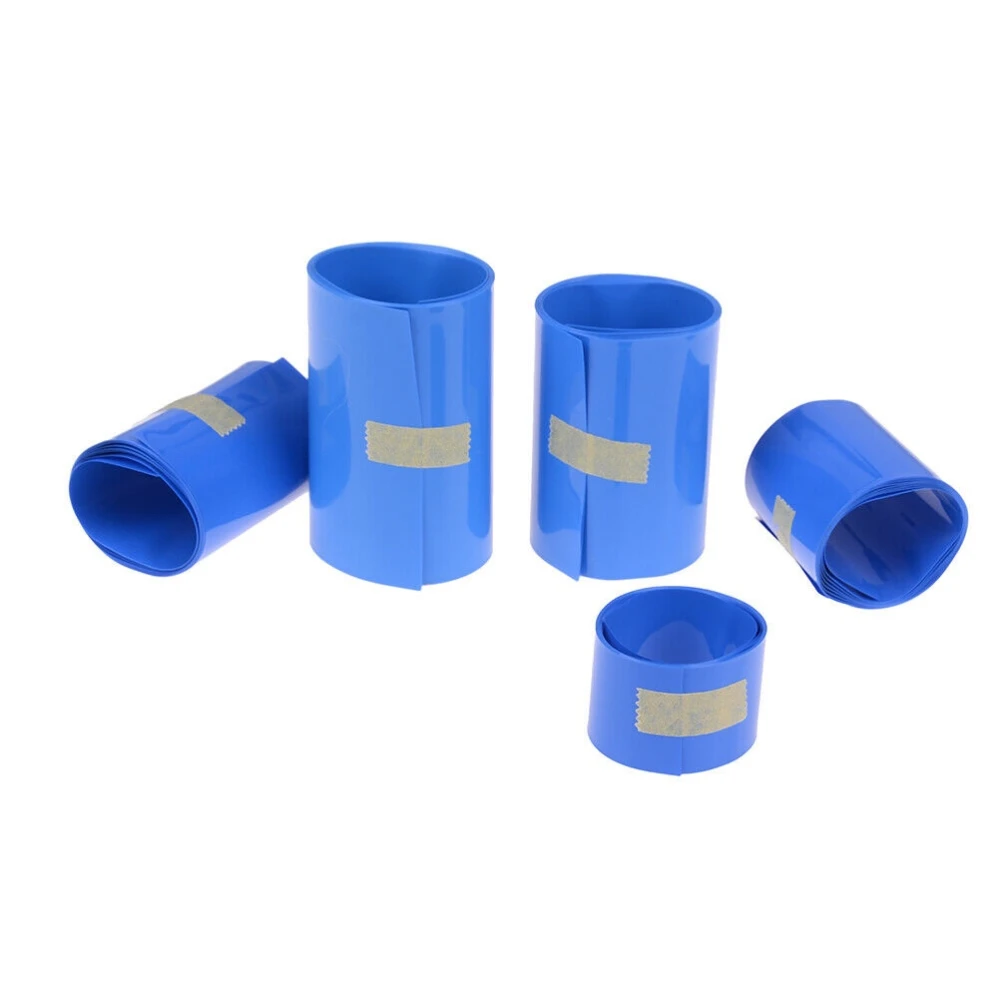
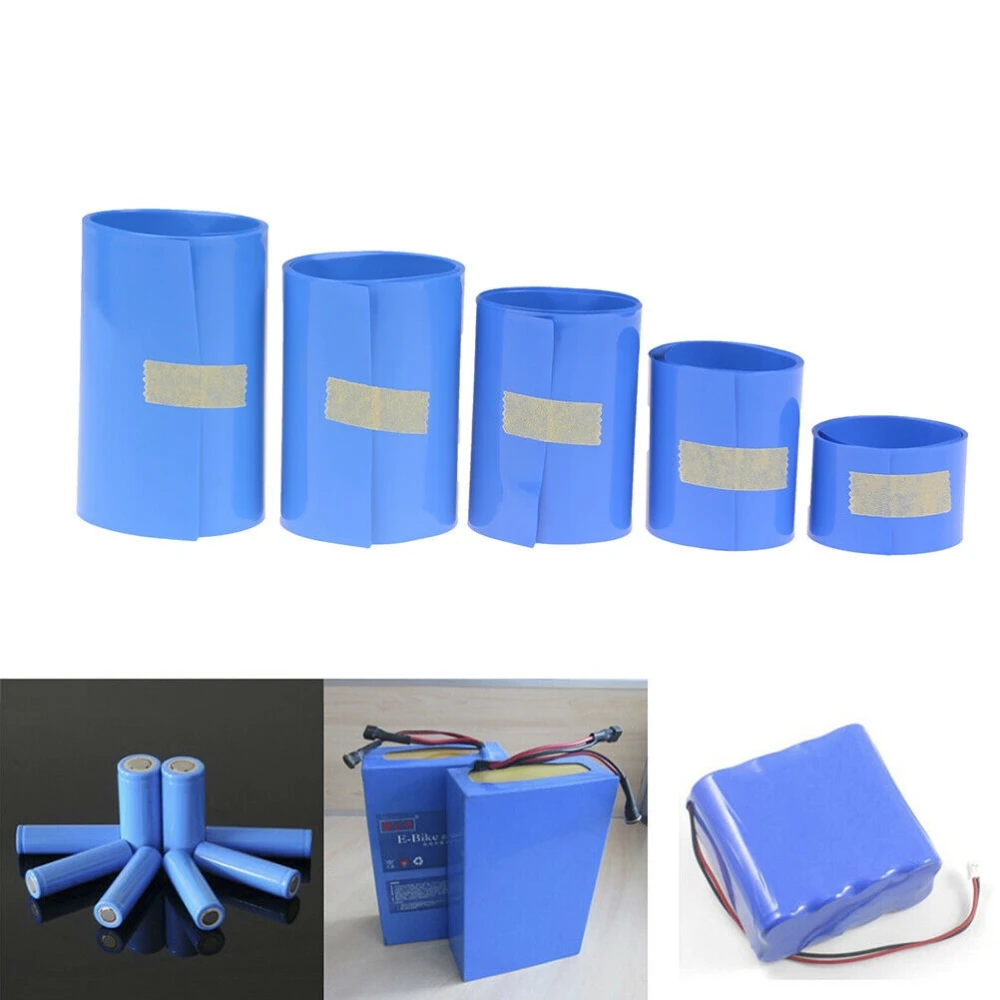
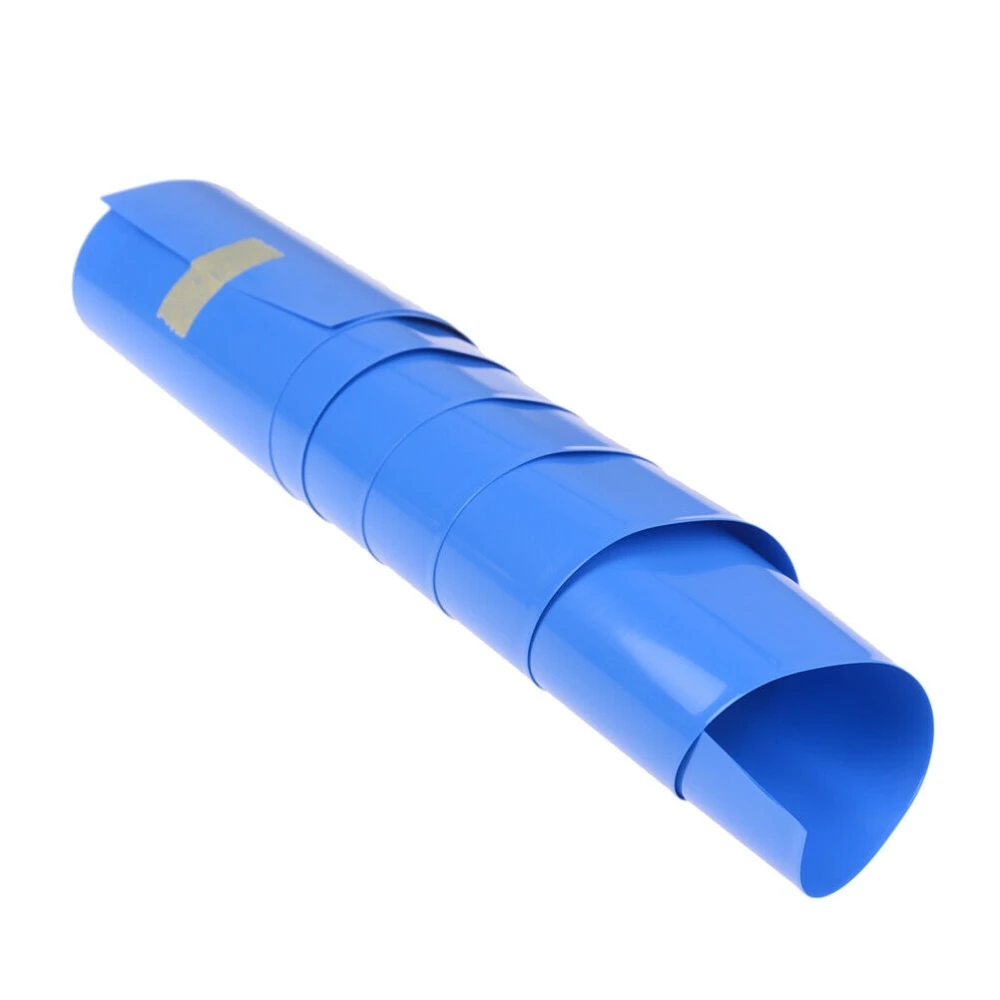
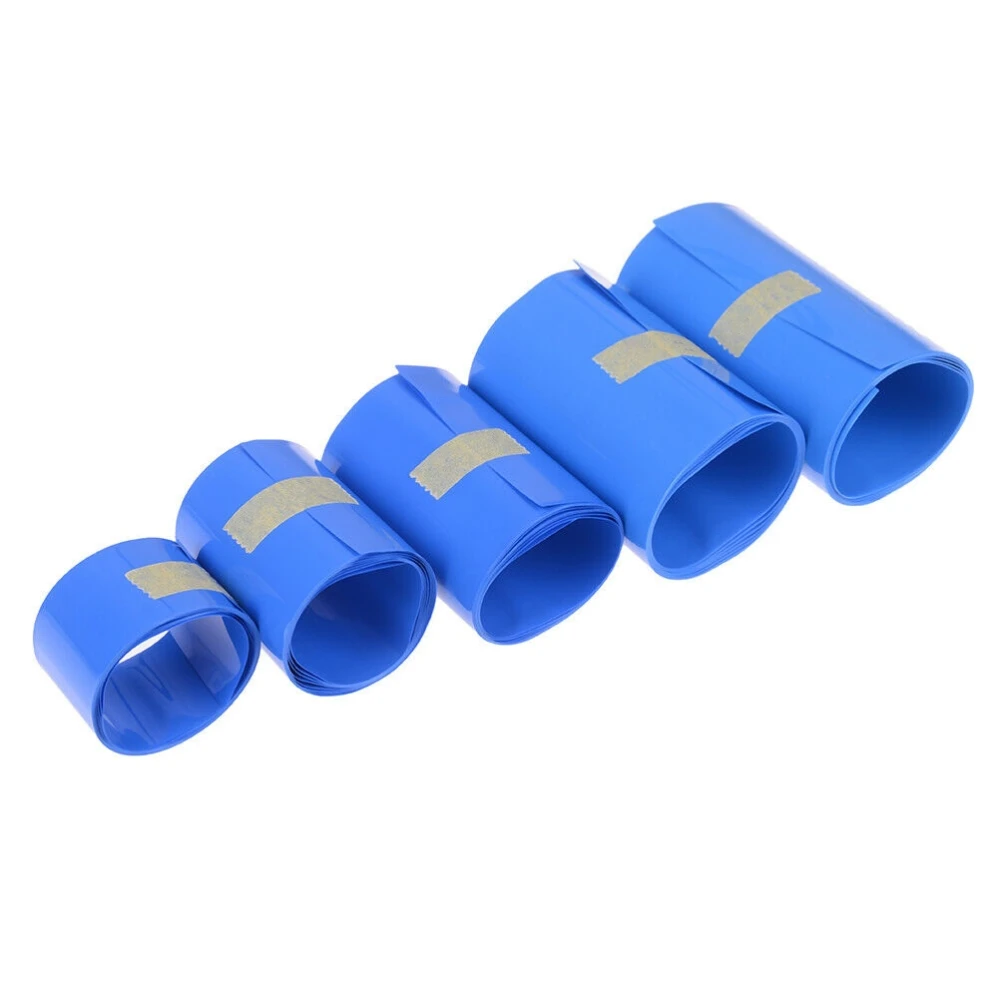
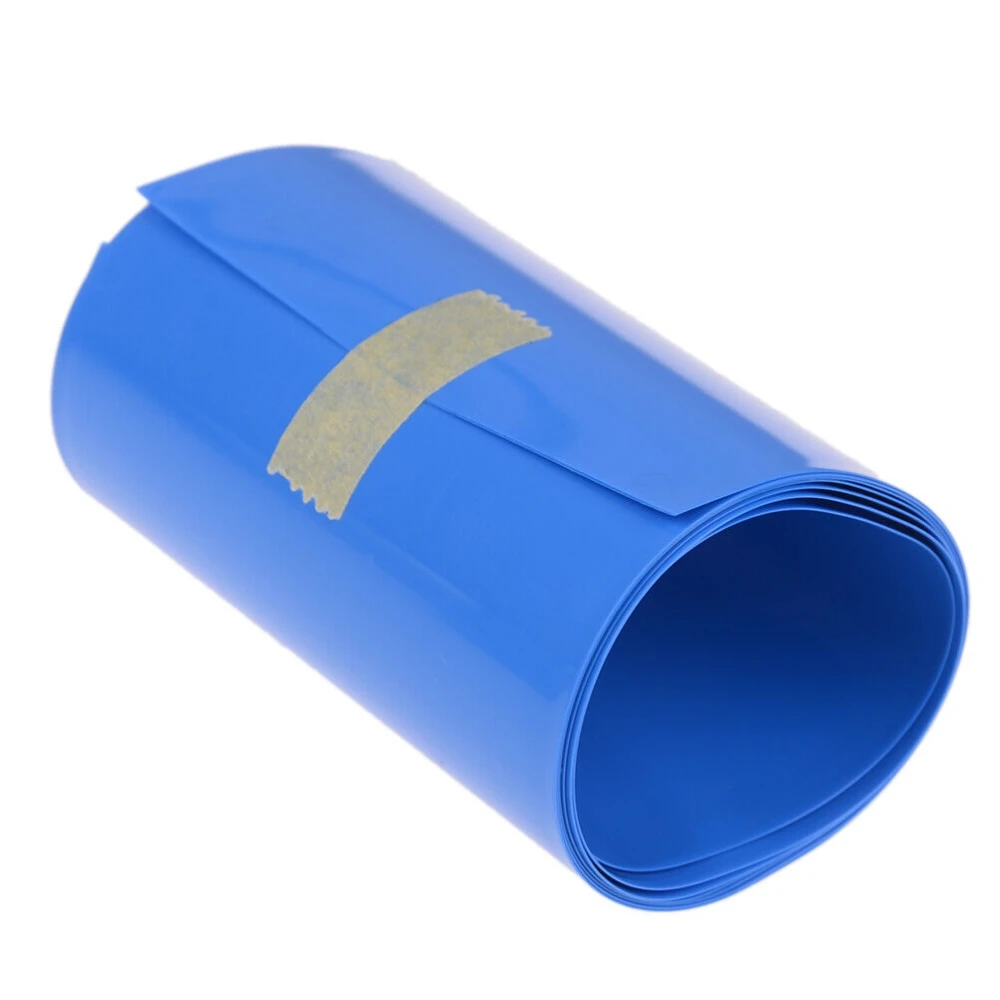
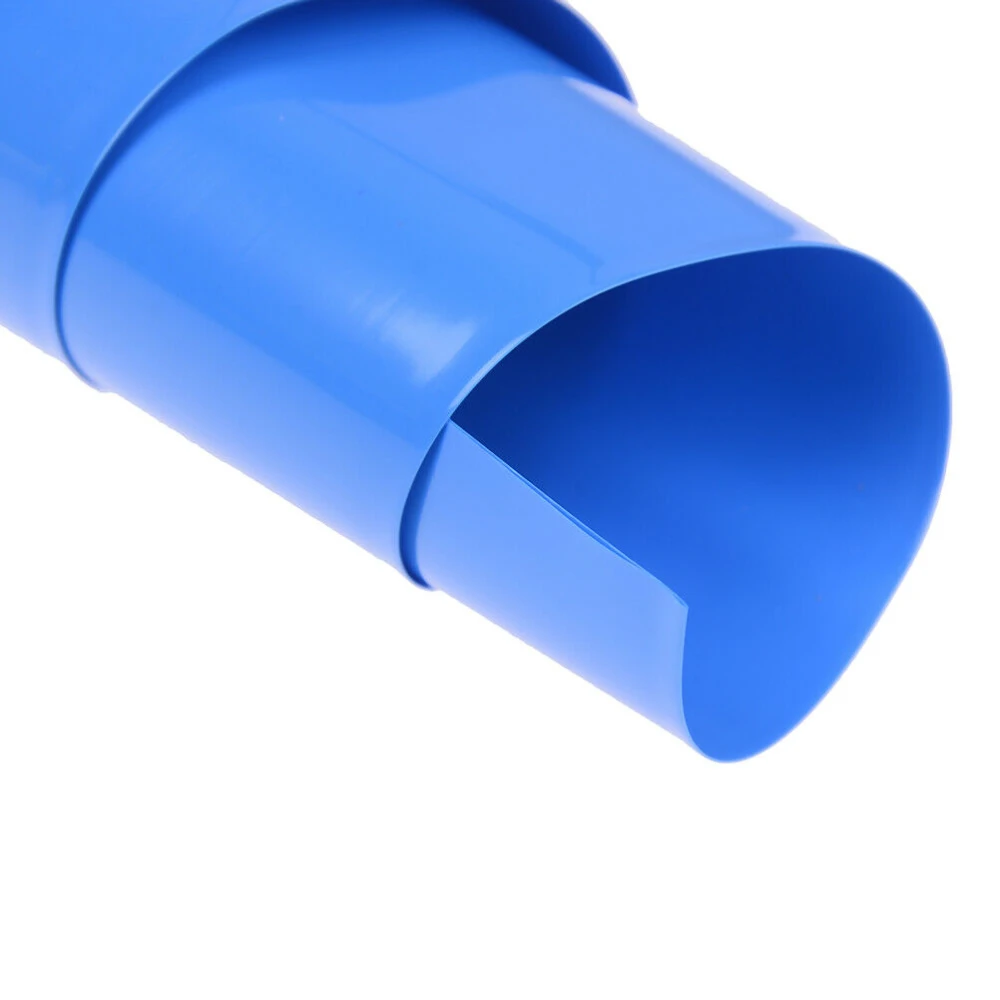
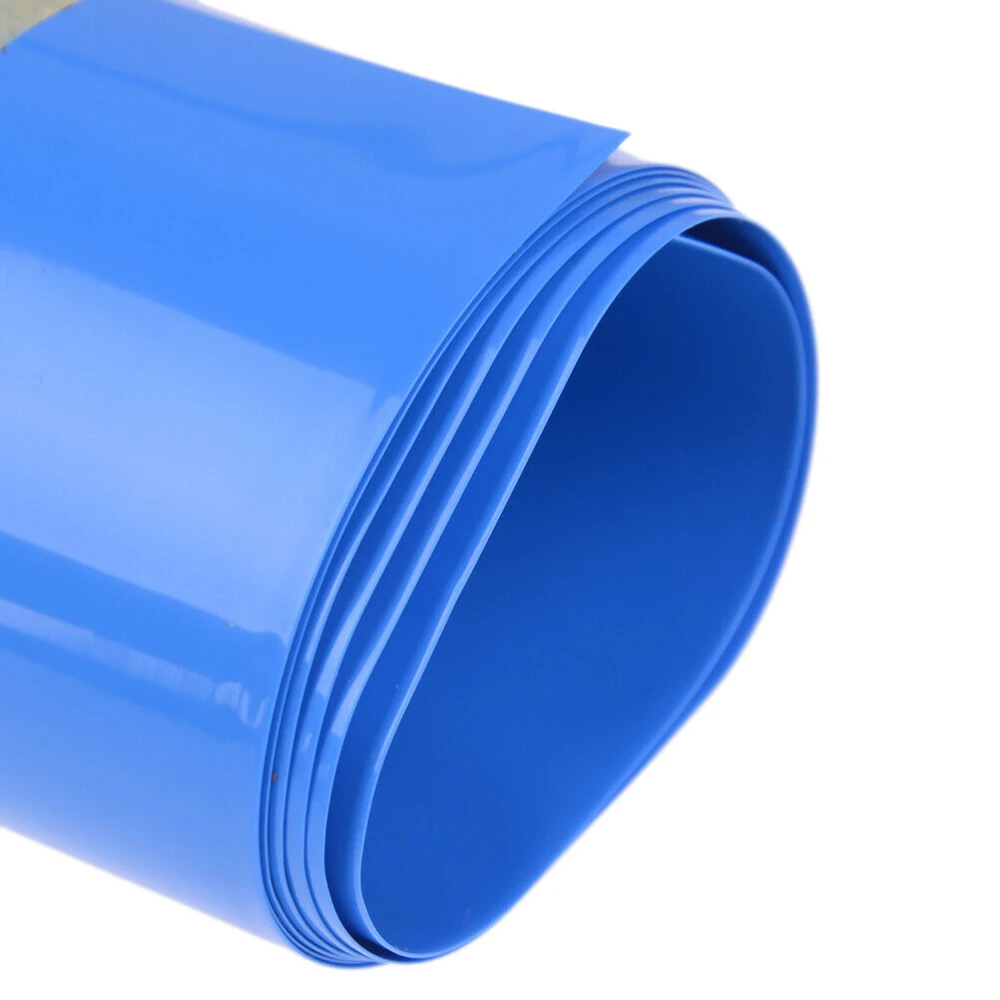
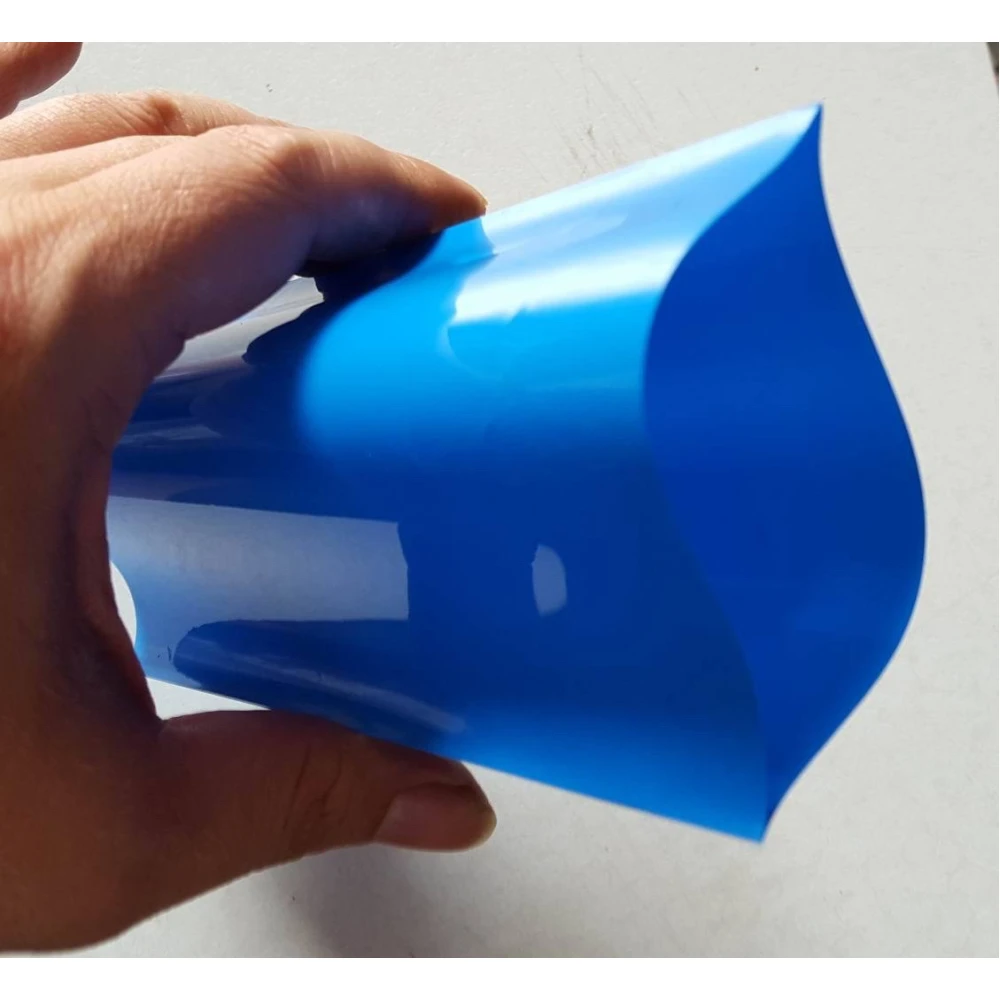
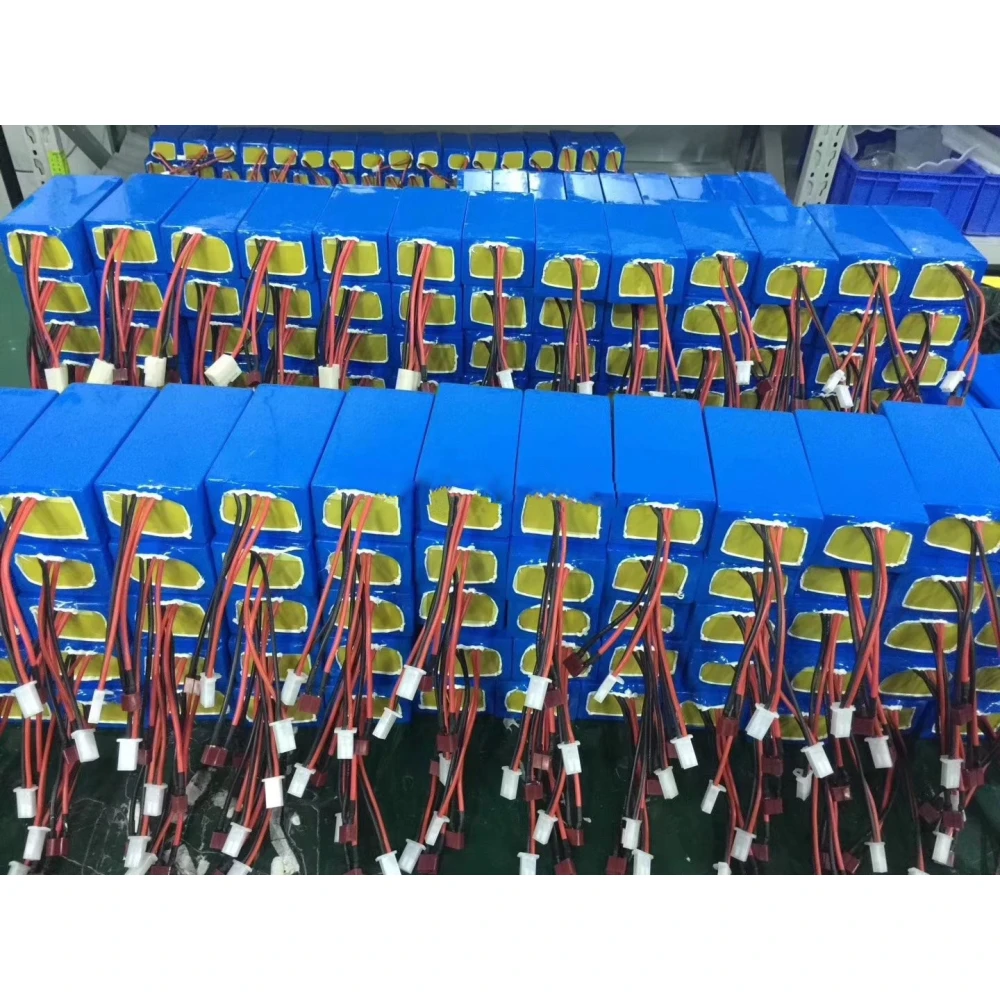
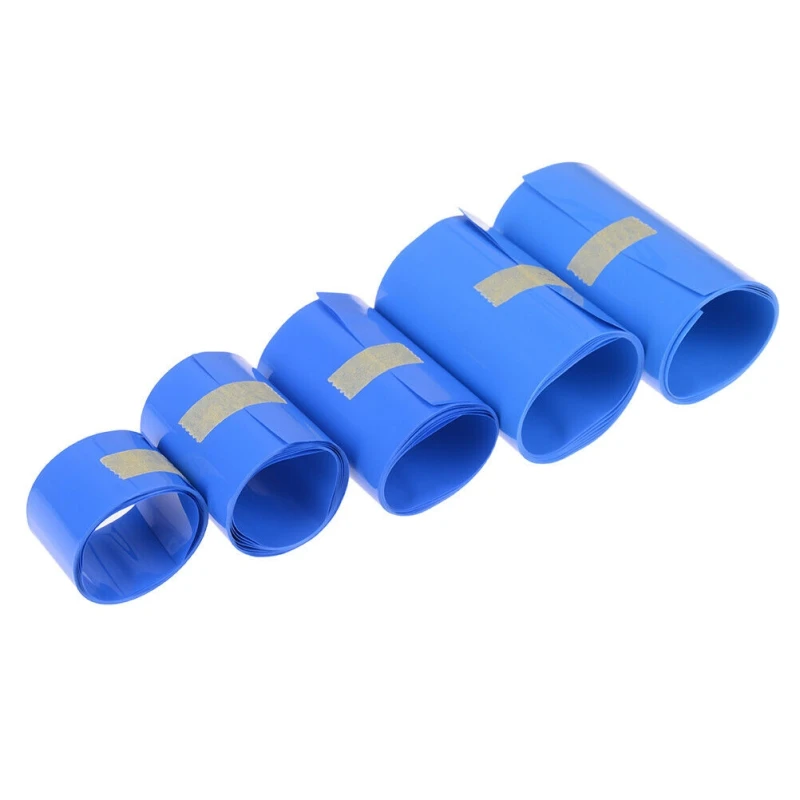
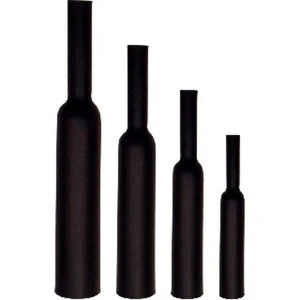
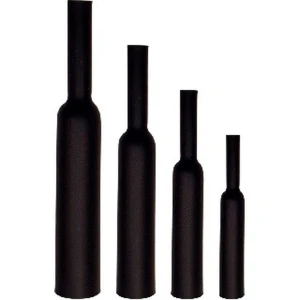
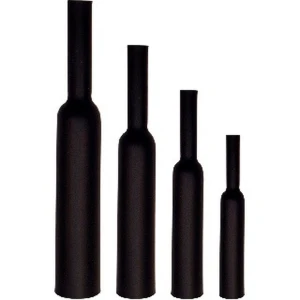
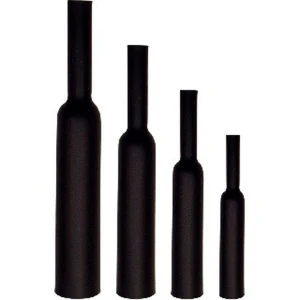
PVC krimpkous 1m x 145mm x 0.13mm voor batterijpack Sunkko
Merk: Sunkko
0,27€
IVA inbegrepen (Excl. btw: 0,22€)
Op voorraad - Direct verzonden
Standaardlevering
Wo, Apr 22 - Vr, Apr 24
Expresslevering
Ma, Apr 20 - Di, Apr 21
30 dagen retour
Gratis retourneren binnen 30 dagen
Beveiligde transactie






Share:
Gratis bezorging
Bij bestellingen boven 300€
Eenvoudig retourneren
30 dagen retourbeleid
Veilig betalen
100% veilig afrekenen
Kwaliteitsgarantie
Alleen originele producten
Productbeschrijving
De PVC krimpkous 1m x 145mm x 0.13mm voor batterijpack van het merk Sunkko is een essentieel accessoire voor de bescherming en isolatie van elektronische componenten en batterijen. Het ontwerp zorgt voor snelle en stabiele krimp bij lage temperatuur, waardoor een veilige en duurzame omhulling wordt gegarandeerd.
Belangrijkste kenmerken:
- Materiaal: hoogwaardig PVC voor effectieve isolatie.
- Afmeting: 1 meter lengte, 145 mm diameter en 0.13 mm dikte.
- Krimptemperatuur: 80 °C, met een werkbereik van -40 °C tot 105 °C.
- Ongeveer krimp: 48±5%, past zich perfect aan de componenten aan.
- Nominale spanning: 300V, geschikt voor veilige elektrische toepassingen.
- Kleur: blauw, voor eenvoudige identificatie en een nette uitstraling.
Aanbevolen toepassingen:
- Bescherming en isolatie van elektrolytische condensatoren en batterijen.
- Omhulling van lithiumbatterijpacks en andere elektronische componenten.
- Toepassingen in verlichting, LED-naalden en gecombineerde verpakkingen.
- Warmtebehoud, bescherming tegen vocht, corrosie en stof.
- Verbetering van de uitstraling en functionaliteit van de omhulling van apparaten.
Gebruiksaanwijzing:
Om de krimpkous aan te brengen, wordt aanbevolen een heteluchtpistool of een aansteker te gebruiken om de kous te verwarmen en te laten krimpen. Vermijd het gebruik van een elektrochromisch strijkijzer voor dit proces. De kous sluit stevig om het component en biedt optimale bescherming.
Inhoud van de verpakking:
- 1 meter blauwe PVC krimpkous.
Deze kous is een praktische en efficiënte oplossing om je batterijen en elektronische componenten te beschermen, met duurzaamheid en veiligheid voor je projecten.
- PVC-materiaal voor effectieve en duurzame isolatie
- Afmetingen: 1m x 145mm x 0.13mm
- Krimptemperatuur: 80 °C
- Temperatuurbereik: -40 °C tot 105 °C
- Ongeveer 48±5% krimp
- Nominale spanning van 300V voor elektrische veiligheid
- Blauwe kleur voor eenvoudige identificatie en nette uitstraling
- Ideaal voor batterijen, condensatoren en elektronische componenten
Klantvragen & Antwoorden
Quina diferència ofereix el tub termoretràctil de PVC davant alternatives com la poliolefina en la protecció de paquets de bateries?
El tub termoretràctil de PVC proporciona més rigidesa mecànica i una contracció a temperatura més baixa (≥48% a 80 °C) respecte a la poliolefina, cosa que facilita un segellat visualment net en aplicacions de bateries. Tanmateix, la poliolefina sol resistir millor ambients amb temperatures més altes o exposició UV i proporciona més flexibilitat. El PVC és adequat per a usos interns o quan la temperatura màxima no superi els 105 °C.
Quines són les dimensions exactes del tub i es pot tallar sense comprometre les seves propietats d’aïllament?
El tub té una longitud d’1 m, diàmetre pla de 145 mm abans de la contracció i un gruix de 0,13 mm. Es pot tallar a la longitud desitjada sense perdre les seves propietats elèctriques ni d’aïllament, sempre que els talls siguin rectes i no danyin el material.
Quin mètode d’escalfament es recomana per aconseguir una contracció uniforme i sense danyar el material?
Per aconseguir una contracció uniforme en tubs d’aquestes dimensions, es recomana utilitzar una pistola d’aire calent regulada aproximadament a 80-100 °C. Un encenedor pot servir per a trams curts, però podria danyar el PVC o causar una contracció desigual si no es controla la distància i el temps d’exposició.
En quines condicions ambientals el tub pot perdre eficàcia o deteriorar-se prematurament?
El tub està dissenyat per operar entre -40 °C i 105 °C; fora d’aquest rang pot endurir-se, esquerdar-se o perdre elasticitat. A més, l’exposició contínua a raigs UV, olis o productes químics agressius pot accelerar-ne el deteriorament, i es recomana fer-lo servir principalment en ambients protegits.
Quina normativa de seguretat elèctrica compleix aquest tub termoretràctil per a aplicacions en bateries?
Tot i que el producte indica una tensió nominal de 300 V, no s’especifica oficialment cap norma internacional (com UL o IEC) a la documentació proporcionada. Es recomana consultar amb el proveïdor si el compliment normatiu és crític per a l’aplicació.
What difference does PVC heat-shrink tubing offer compared with alternatives such as polyolefin in battery pack protection?
PVC heat-shrink tubing provides greater mechanical rigidity and a lower shrink temperature (≥48% at 80 °C) than polyolefin, which makes it easier to achieve a neat visual seal in battery applications. However, polyolefin usually performs better in higher-temperature environments or UV exposure and provides greater flexibility. PVC is suitable for indoor use or where the maximum temperature does not exceed 105 °C.
What are the exact dimensions of the tubing and can it be cut without compromising its insulating properties?
The tubing is 1 m long, 145 mm flat diameter before shrinking and 0.13 mm thick. It can be cut to the desired length without losing its electrical or insulating properties, provided the cuts are straight and do not damage the material.
What heating method is recommended to achieve a uniform shrink without damaging the material?
To achieve a uniform shrink in tubing of these dimensions, it is recommended to use a hot air gun set to approximately 80-100 °C. A lighter may be suitable for short sections, but it could damage the PVC or cause uneven shrinking if the distance and exposure time are not controlled.
Under what environmental conditions can the tubing lose effectiveness or deteriorate prematurely?
The tubing is designed to operate between -40 °C and 105 °C; outside this range it may harden, crack or lose elasticity. In addition, continuous exposure to UV rays, oils or aggressive chemicals can accelerate deterioration, so it is recommended mainly for protected environments.
What electrical safety standard does this heat-shrink tubing comply with for battery applications?
Although the product states a rated voltage of 300 V, no official international standard (such as UL or IEC) is specified in the documentation provided. It is recommended to check with the supplier if regulatory compliance is critical for the application.
Schrijf een klantbeoordeling
Klanten die dit artikel kochten, kochten ook

Uw recent bekeken artikelen
 PVC krimpkous 1m x 145mm x 0.13mm voor batterijpack Sunkko
0,27€