


0,44€
Op voorraad
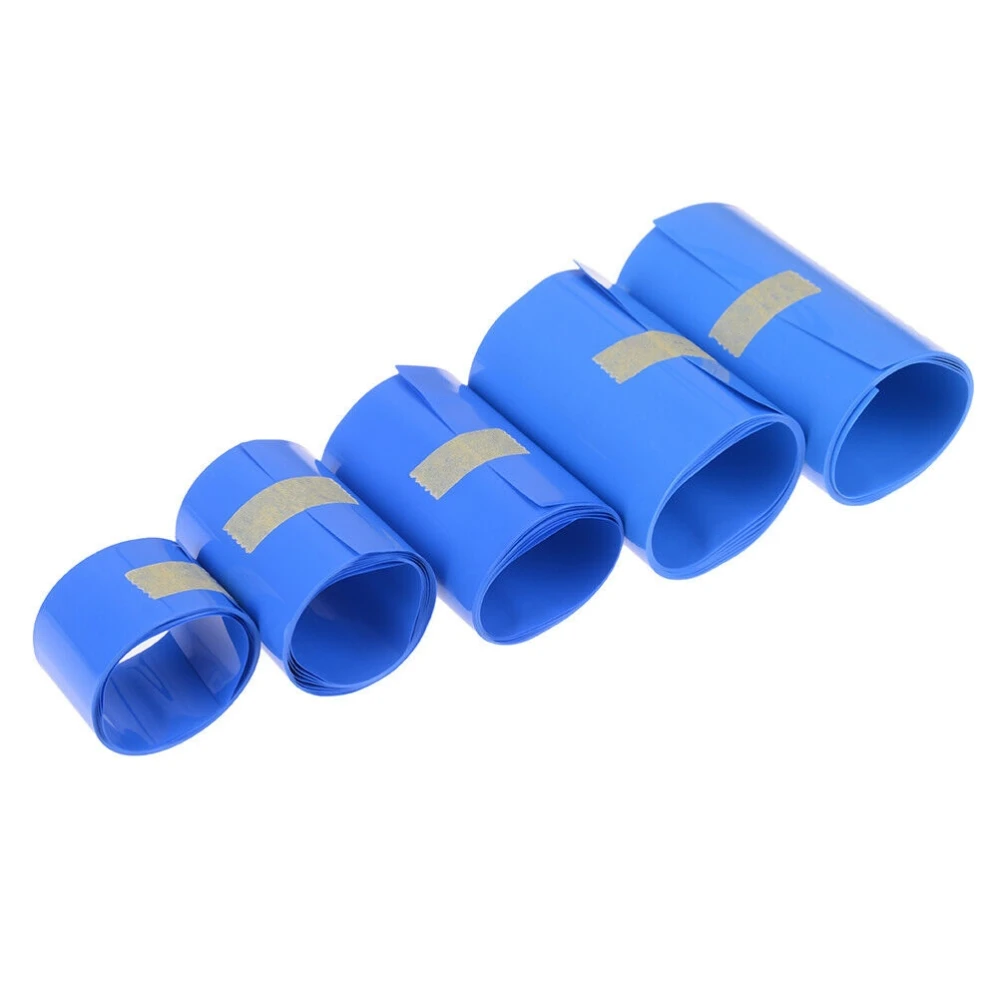
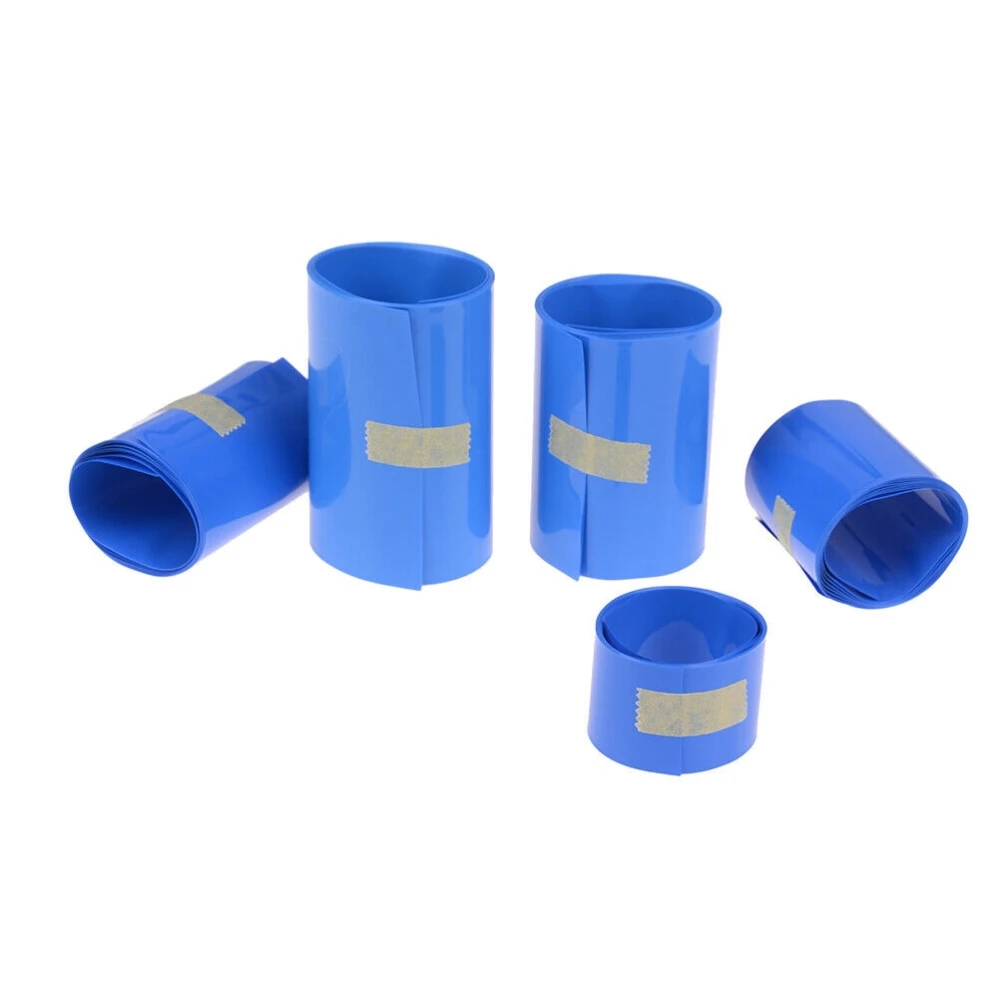
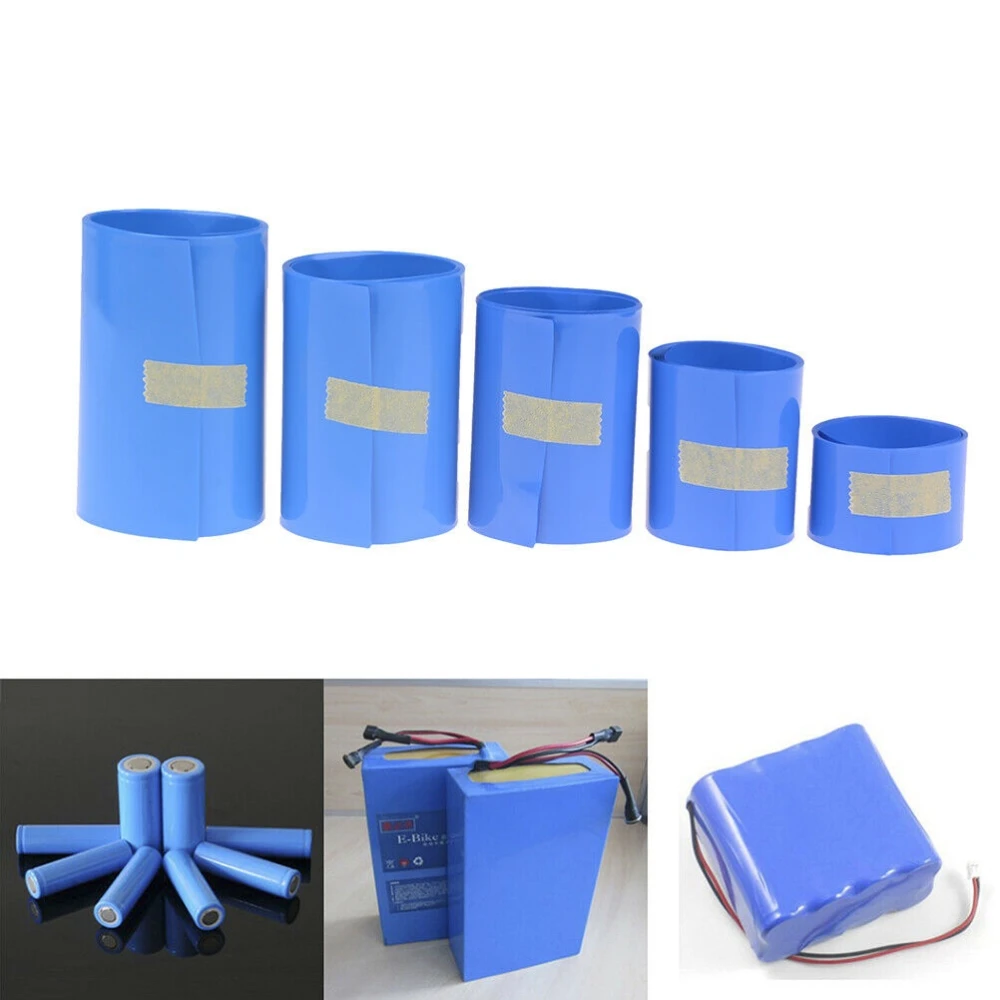
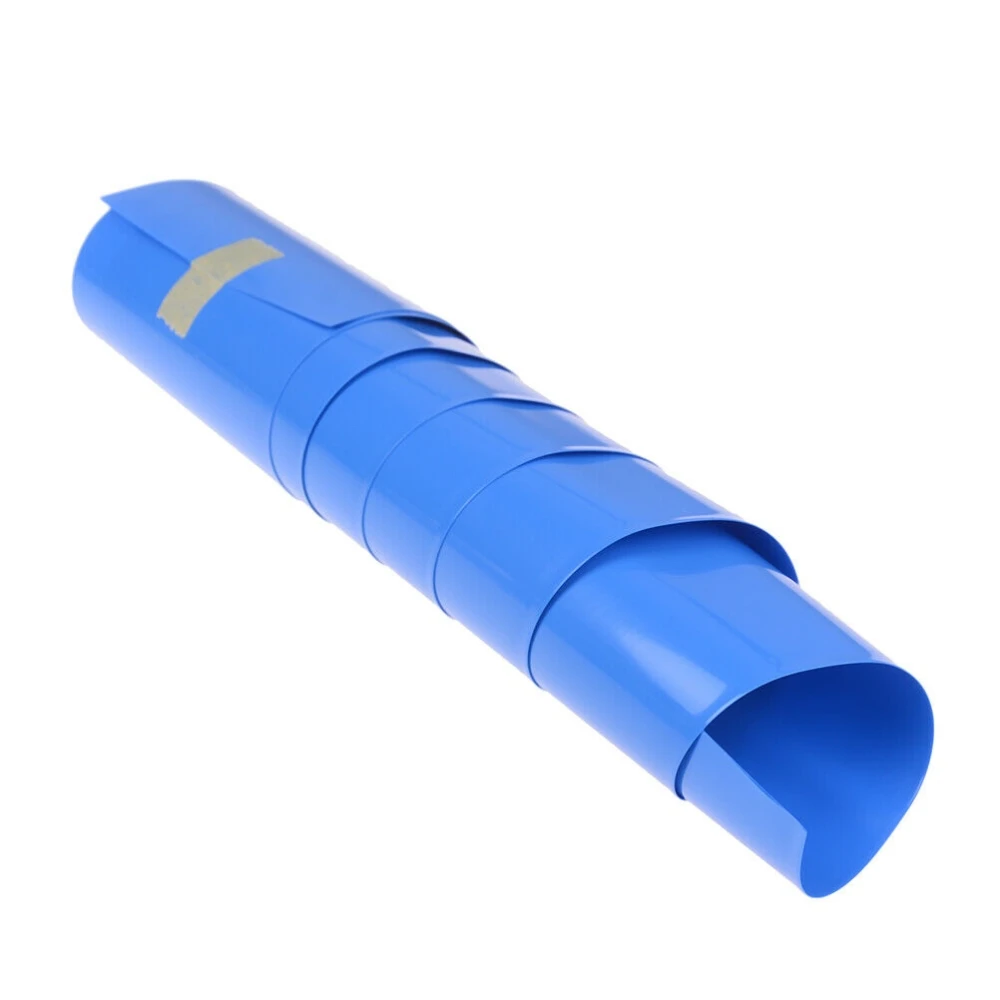
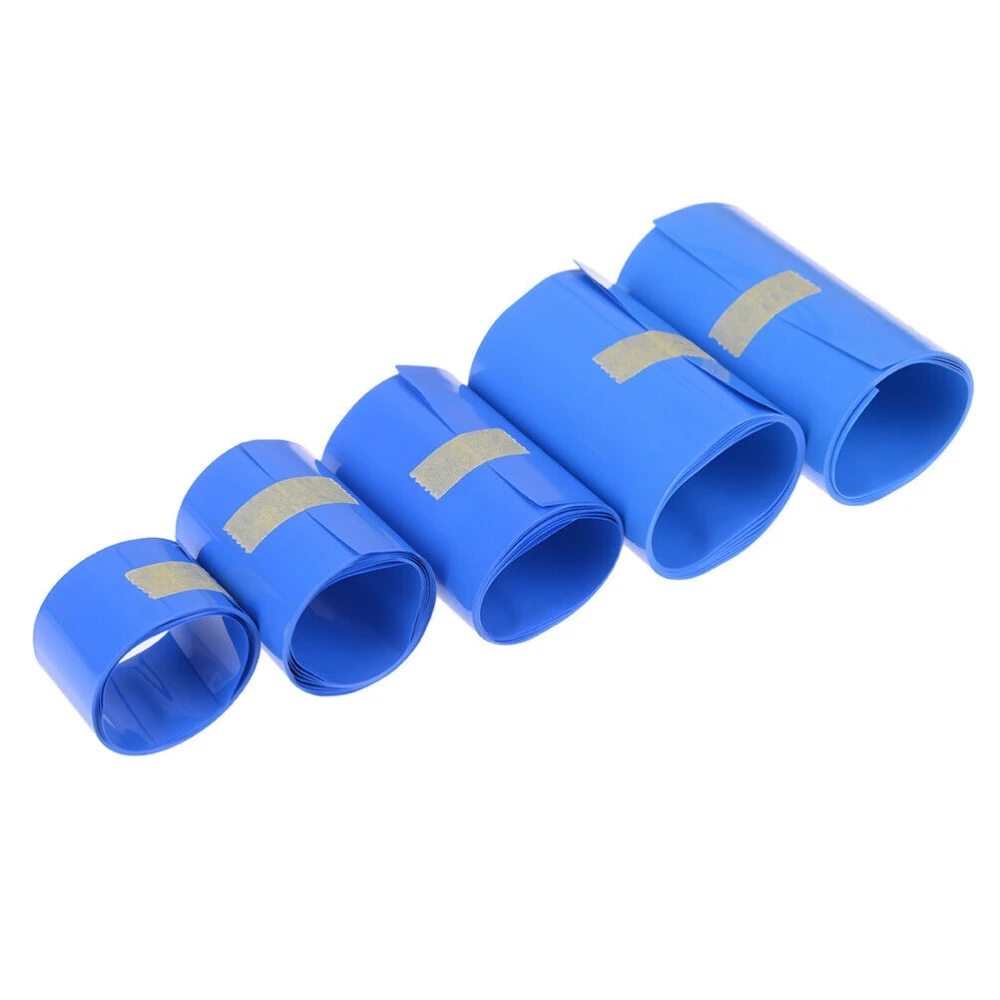
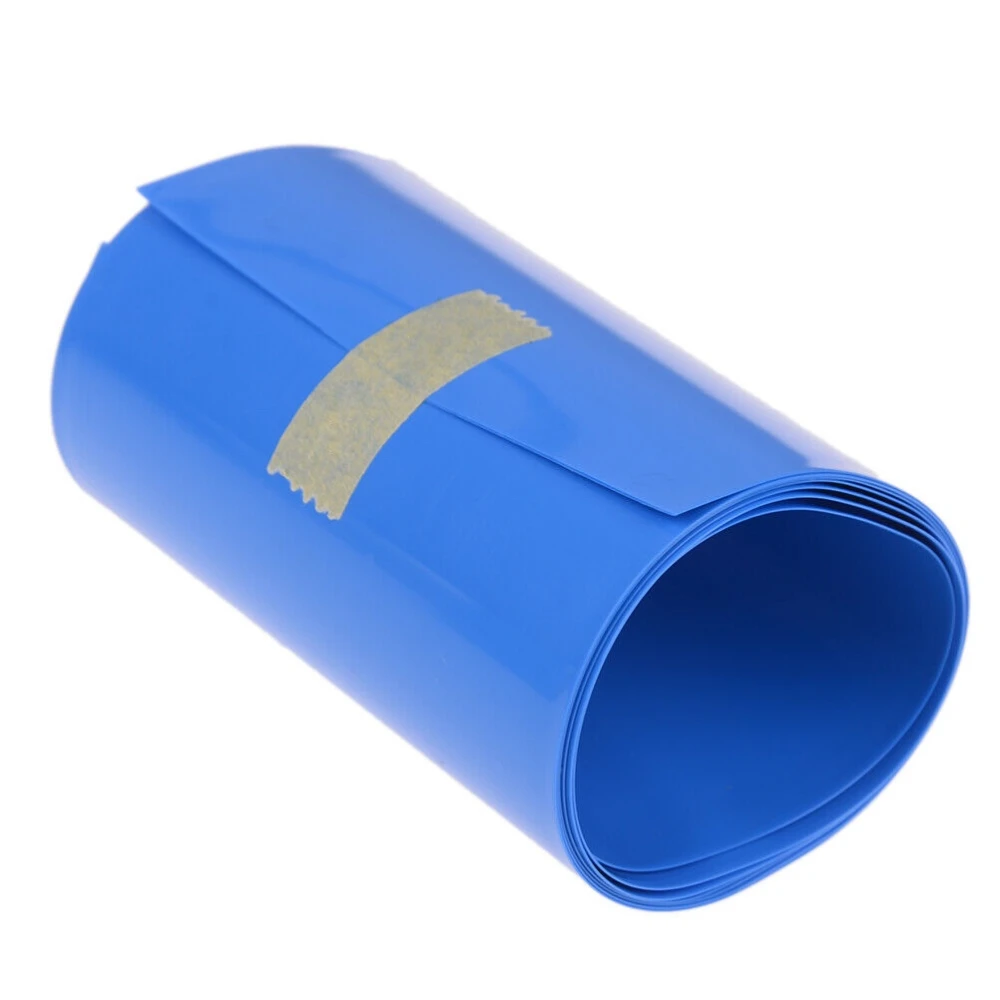
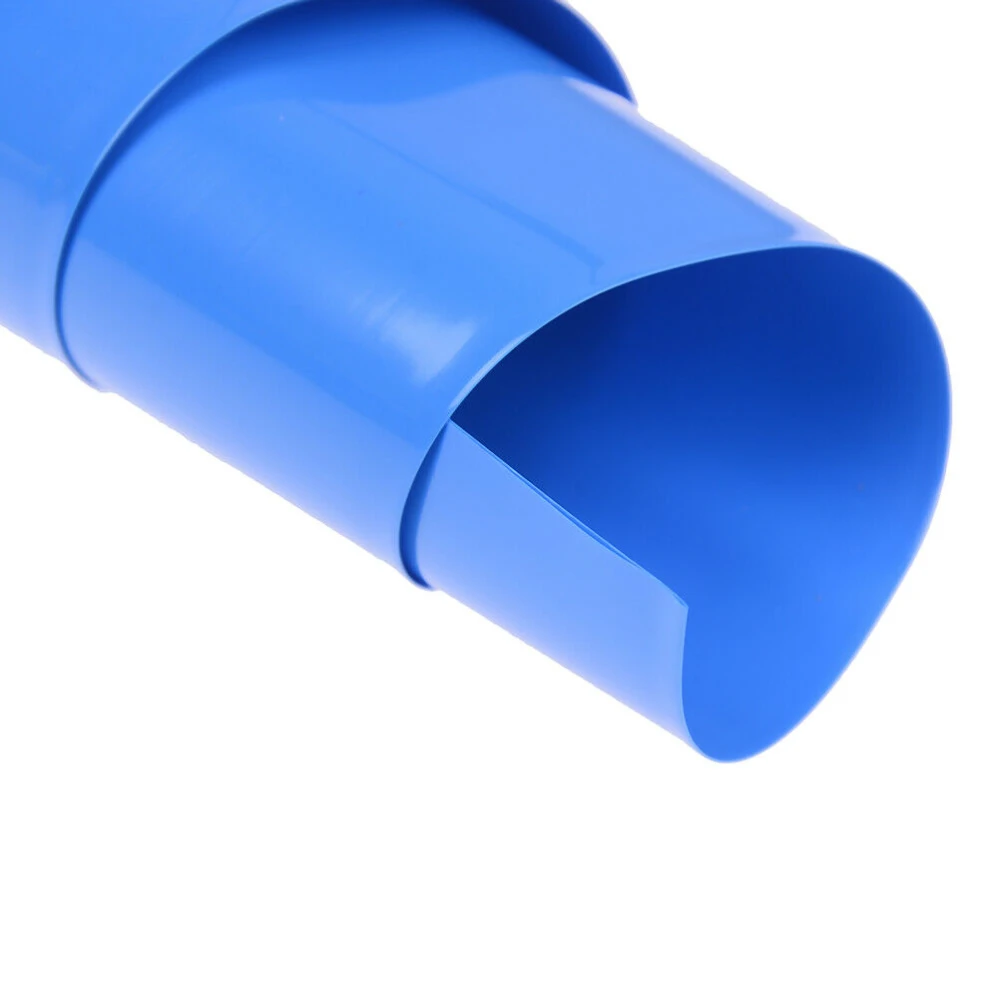
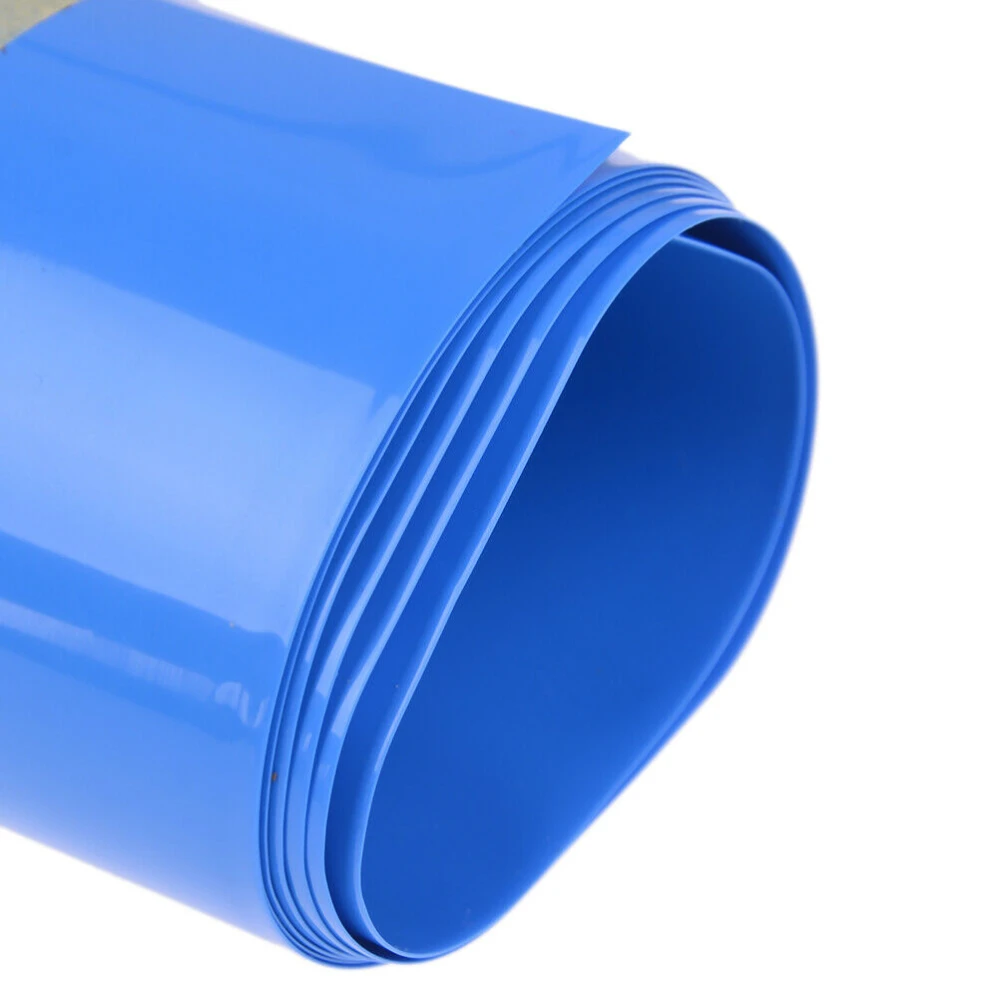
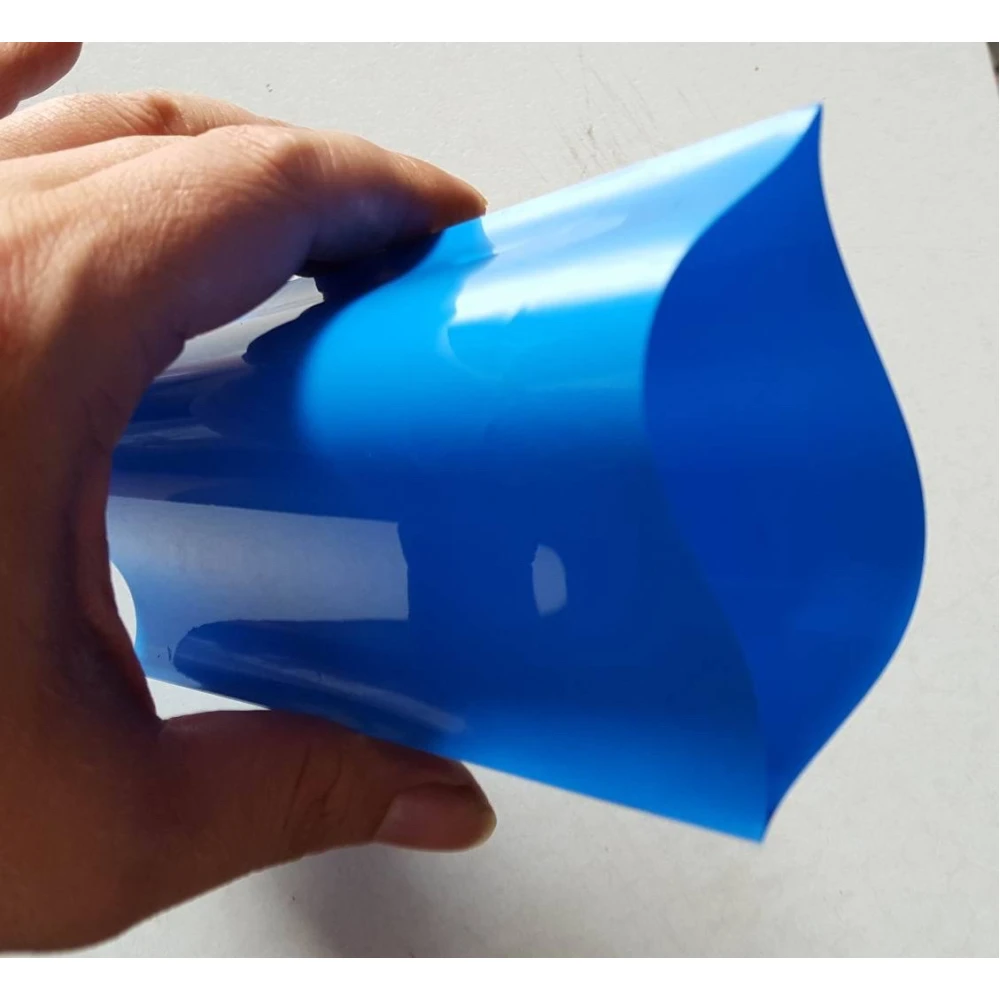
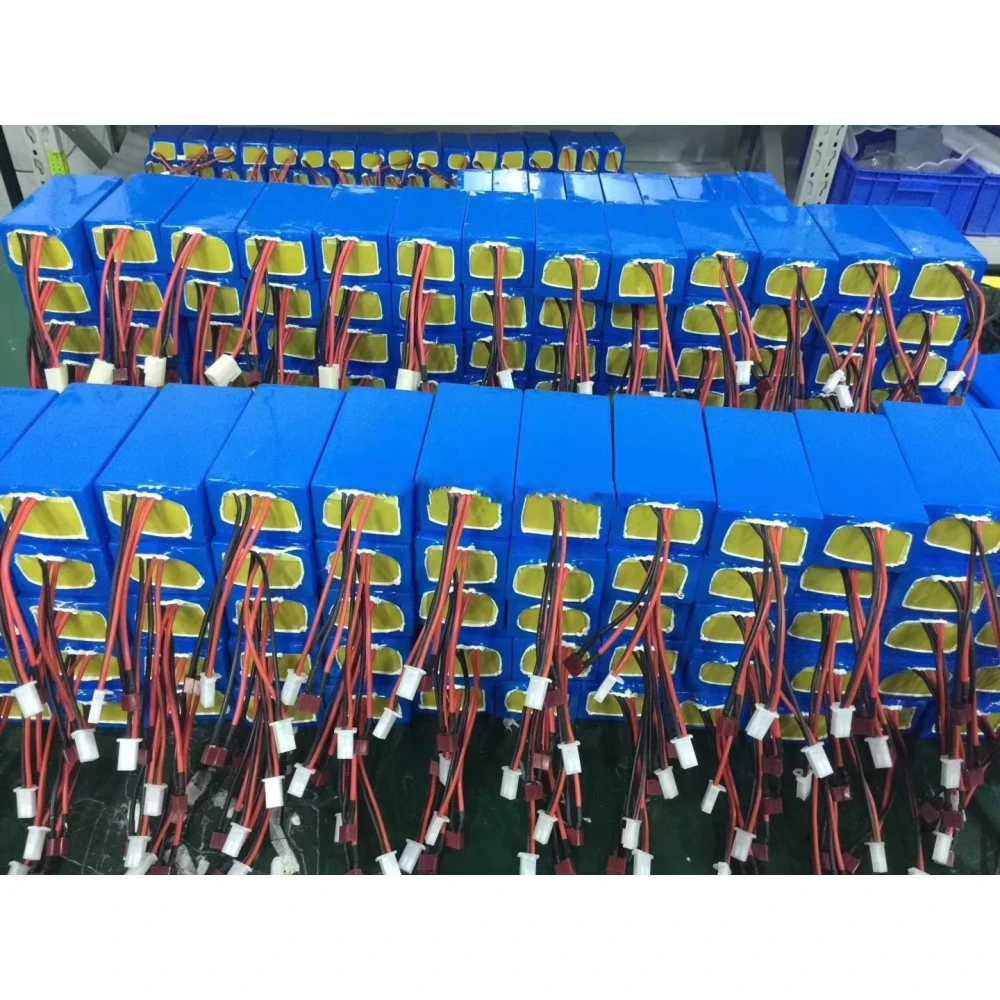
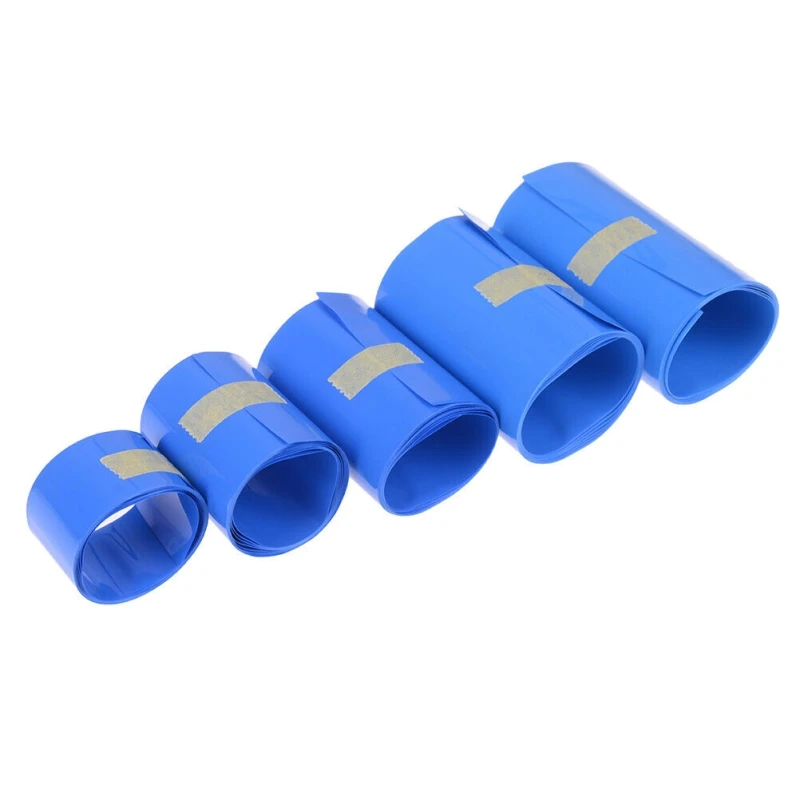
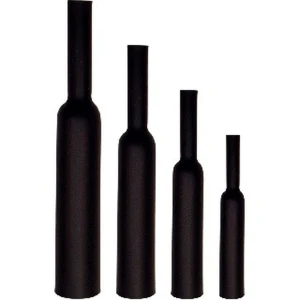
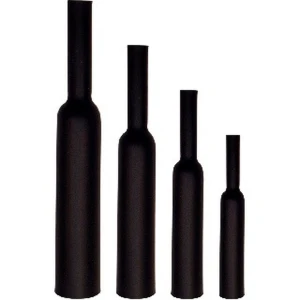
PVC krimpkous 1m x 180mm voor Sunkko batterijpack
Merk: Sunkko
0,44€
IVA inbegrepen (Excl. btw: 0,36€)
Op voorraad - Direct verzonden
Standaardlevering
Wo, Apr 22 - Vr, Apr 24
Expresslevering
Ma, Apr 20 - Di, Apr 21
30 dagen retour
Gratis retourneren binnen 30 dagen
Beveiligde transactie






Share:
Gratis bezorging
Bij bestellingen boven 300€
Eenvoudig retourneren
30 dagen retourbeleid
Veilig betalen
100% veilig afrekenen
Kwaliteitsgarantie
Alleen originele producten
PVC krimpkous 1m x 180mm x 0.15mm voor batterijpack
Deze PVC krimpkous is ideaal voor het beschermen en isoleren van batterijpacks, elektrolytische condensatoren en andere elektronische componenten. Gemaakt van hoogwaardige materialen biedt hij stabiele prestaties en snelle krimp bij lage temperatuur, wat de veiligheid en duurzaamheid van je apparaten garandeert.
Belangrijkste kenmerken:
- Afmetingen: 1 meter lengte, 180 mm diameter, 0.15 mm dikte.
- Materiaal: Duurzaam en flexibel PVC.
- Krimptemperatuur: 80 °C, met een krimp van 48±5%.
- Gebruikstemperatuurbereik: -40 °C tot 105 °C, met temperatuurklasse 105 °C.
- Nominale spanning: 300V, geschikt voor elektrische isolatie.
- Kleur: Blauw, voor herkenning en een professionele afwerking.
Aanbevolen toepassingen:
- Bescherming en isolatie van lithium batterijpacks en andere typen.
- Omhulling van elektrolytische condensatoren en elektronische componenten.
- Afwerking en bescherming van kabels en aansluitingen in LED-verlichting en LED-naalden.
- Bescherming tegen vocht, corrosie en stof, en behoud van warmte in elektronische toepassingen.
Gebruiksaanwijzing:
Om de krimpkous aan te brengen, wordt aanbevolen een heteluchtpistool of een aansteker te gebruiken om de kous te verwarmen totdat deze stevig rond het object krimpt. Vermijd het gebruik van een elektrochromisch strijkijzer om schade te voorkomen. Dit proces zorgt voor een veilige pasvorm en een nette afwerking.
Inhoud van de verpakking:
1 meter blauwe PVC krimpkous, met de genoemde specificaties.
- Afmetingen: 1m x 180mm x 0.15mm
- Materiaal: duurzaam en flexibel PVC
- Krimptemperatuur: 80 °C met een krimp van 48±5%
- Temperatuurbereik: -40 °C tot 105 °C
- Nominale spanning: 300V voor elektrische isolatie
- Blauwe kleur voor herkenning en uitstraling
- Ideaal voor batterijpacks, condensatoren en elektronische componenten
- Bescherming tegen vocht, stof en corrosie
Klantvragen & Antwoorden
Quina és la funció principal del tub termoretràctil PVC i quins beneficis ofereix respecte a les cintes adhesives tradicionals?
El tub termoretràctil PVC proporciona aïllament elèctric i protecció mecànica uniforme, cobrint de manera hermètica l’objecte en aplicar calor. A diferència de les cintes adhesives, ofereix més resistència a la humitat, la pols i l’abrasió, a més d’un acabat estètic i homogeni. És especialment útil per encapsular packs de bateries i components que requereixen estabilitat i aïllament durador.
Es pot tallar el tub a una longitud menor sense afectar-ne el funcionament?
Sí, el tub es pot tallar fàcilment amb tisores o cúter a la longitud desitjada abans de l’aplicació, mantenint les seves propietats termoretràctils. És important assegurar-se que el tall sigui net per evitar esfilagars o pèrdues de calor durant la contracció.
Amb quins tipus de bateries o components és compatible tenint en compte el diàmetre i la temperatura de contracció?
Aquest tub amb diàmetre pla de 180 mm (abans de retraure’s) és compatible amb packs de bateries grans, feixos de cel·les o agrupacions de components de fins a aproximadament 114–120 mm de diàmetre cilíndric (considerant una contracció ≥48±5%). Suporta temperatures de funcionament de -40 °C a 105 °C i s’ha d’exposar a almenys 80 °C per retraure’s correctament.
Quines precaucions de seguretat s’han de tenir en instal·lar el tub termoretràctil?
Es recomana utilitzar una pistola d’aire calent o un assecador resistent per escalfar el tub uniformement, evitant fonts de calor directa com flames obertes en tubs d’aquesta mida. S’ha d’emprar en zones ventilades per evitar la inhalació de vapors del PVC. No l’utilitzeu si l’equip està energitzat i eviteu cremades pel contacte amb el tub calent.
Quina és la vida útil estimada del tub termoretràctil PVC comparat amb alternatives com la poliolefina?
La vida útil del tub termoretràctil de PVC sol ser de diversos anys en entorns interiors, tot i que és menys resistent a la radiació UV i a temperatures extremes que els de poliolefina. En aplicacions sense exposició solar directa i dins del seu rang (-40 °C a 105 °C), manté les seves propietats mecàniques i dielèctriques de manera estable, encara que pot tornar-se fràgil després de molts anys o davant químics agressius.
What is the main function of PVC heat-shrink tubing and what benefits does it offer over traditional adhesive tapes?
PVC heat-shrink tubing provides electrical insulation and uniform mechanical protection, sealing the item tightly when heat is applied. Unlike adhesive tapes, it offers greater resistance to moisture, dust and abrasion, as well as a neat, uniform finish. It is especially useful for encapsulating battery packs and components that require stability and long-lasting insulation.
Can it be cut to a shorter length without affecting its performance?
Yes, the tubing can be easily cut to the desired length with scissors or a craft knife before application, while retaining its heat-shrink properties. It is important to ensure the cut is clean to avoid fraying or heat loss during shrinking.
What types of batteries or components is it compatible with, considering the diameter and shrink temperature?
This tubing with a flat diameter of 180 mm (before shrinking) is compatible with large battery packs, cell bundles or groups of components up to approximately 114–120 mm in cylindrical diameter (considering a shrink of ≥48±5%). It supports operating temperatures from -40 °C to 105 °C and must be exposed to at least 80 °C to shrink properly.
What safety precautions should be taken when installing the heat-shrink tubing?
It is recommended to use a hot air gun or a suitable hair dryer to heat the tubing evenly, avoiding direct heat sources such as open flames for tubing of this size. It should be used in ventilated areas to avoid inhaling PVC fumes. Do not use it while the equipment is energised, and avoid burns from contact with the hot tubing.
What is the estimated service life of PVC heat-shrink tubing compared with alternatives such as polyolefin?
The service life of PVC heat-shrink tubing is usually several years in indoor environments, although it is less resistant to UV radiation and extreme temperatures than polyolefin. In applications without direct sunlight and within its range (-40 °C to 105 °C), it maintains its mechanical and dielectric properties stably, although it may become brittle after many years or when exposed to aggressive chemicals.
Schrijf een klantbeoordeling
Klanten die dit artikel kochten, kochten ook

Uw recent bekeken artikelen
 PVC krimpkous 1m x 180mm voor Sunkko batterijpack
0,44€