


3,39€
Op voorraad
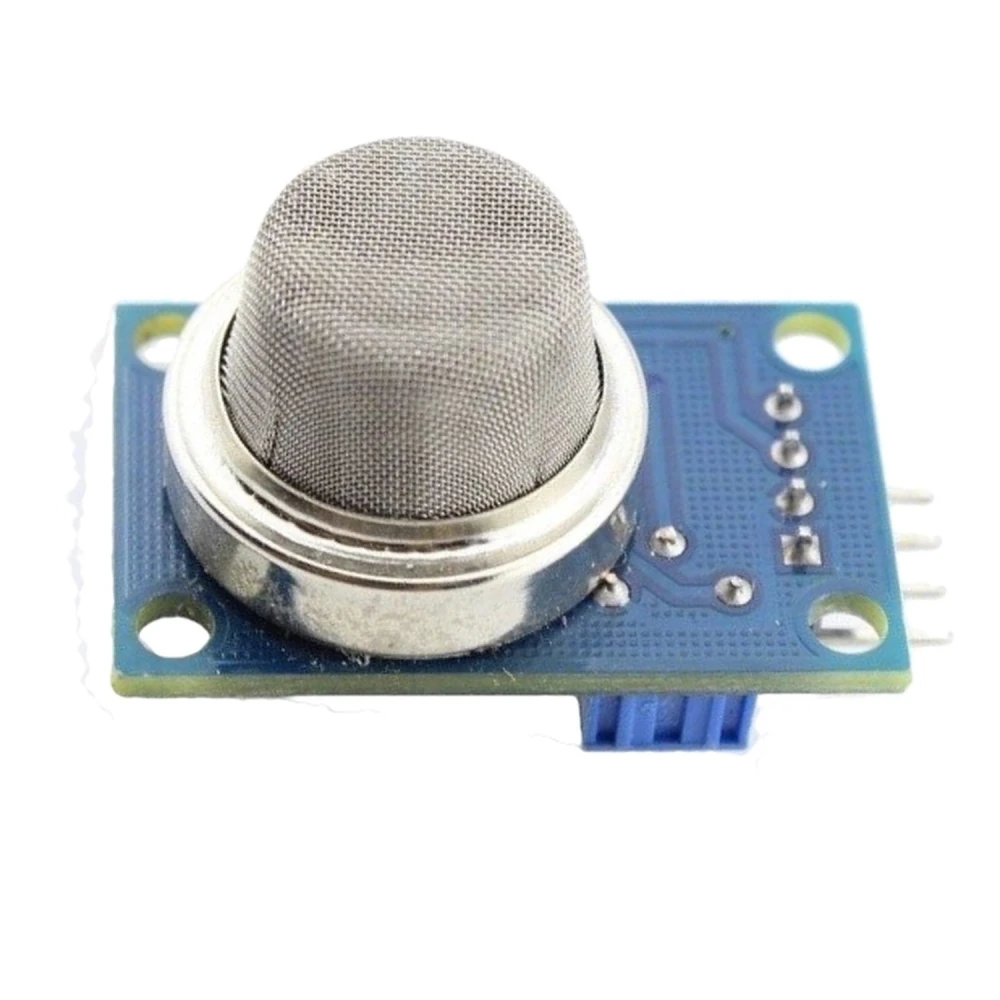
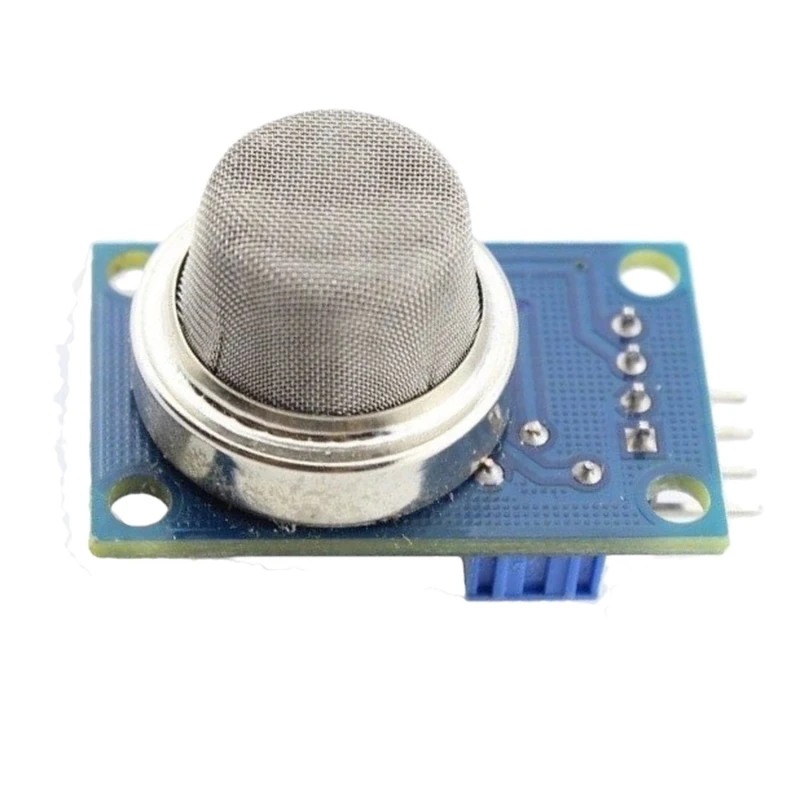
MQ135 luchtkwaliteit sensor Arduino - compatibele gas- en vervuilingsdetector
Merk: satkit
3,39€
IVA inbegrepen (Excl. btw: 2,80€)
Beperkte voorraad
Standaardlevering
Wo, Apr 22 - Vr, Apr 24
Expresslevering
Ma, Apr 20 - Di, Apr 21
30 dagen retour
Gratis retourneren binnen 30 dagen
Beveiligde transactie






Share:
Gratis bezorging
Bij bestellingen boven 300€
Eenvoudig retourneren
30 dagen retourbeleid
Veilig betalen
100% veilig afrekenen
Kwaliteitsgarantie
Alleen originele producten
Productbeschrijving
De MQ135 luchtkwaliteit sensor Arduino is een module die is ontworpen om de luchtkwaliteit te detecteren door veelvoorkomende verontreinigende gassen te meten. Deze sensor is compatibel met Arduino-borden, waardoor integratie in milieumonitoring- en vervuilingsdetectieprojecten eenvoudig is.
Belangrijkste kenmerken
- Bedrijfsspanning: 5V DC.
- Pinconfiguratie: 1 - analoge uitgang, 2 - GND, 3 - VCC.
- Dubbele uitgang: analoog en TTL-niveau, voor meer flexibiliteit bij het uitlezen van gegevens.
- Hoge gevoeligheid voor schadelijke gassen zoals ammoniak (NH3), stikstofoxiden (NOx), alcohol, sulfide, benzeen (C6H6), koolmonoxide (CO) en rook.
- Snelle respons voor efficiënte detectie van veranderingen in de luchtkwaliteit.
- Sensor met lange levensduur en betrouwbare stabiliteit.
- Gevoeligheid instelbaar via geïntegreerde potentiometer.
- Detectiebereik: 10 tot 1000 ppm.
- Compact formaat: 32 mm x 22 mm x 24 mm.
- Module met standaard aansluitpinnen voor eenvoudige integratie.
Typische toepassingen
Deze sensor is ideaal voor domotica-projecten, weerstations, slimme ventilatiesystemen en elke toepassing die luchtkwaliteitsbewaking binnen of buiten vereist. De compatibiliteit met Arduino maakt hem perfect voor hobbyisten en professionals die op zoek zijn naar een betaalbare en betrouwbare oplossing.
Compatibiliteit
Compatibel met Arduino-borden en andere microcontrollers die analoge of digitale TTL-ingang ondersteunen. De eenvoudige aansluiting maakt gebruik in een breed scala aan elektronische projecten mogelijk.
Technische specificaties
| Parameter | Detail |
|---|---|
| Bedrijfsspanning | 5V DC |
| Pinnen | 1 analoge uitgang, 2 GND, 3 VCC |
| Uitgang | Analoog en TTL |
| Gedetecteerde gassen | Ammoniak, stikstofoxiden, alcohol, sulfide, benzeen, koolmonoxide, rook |
| Detectiebereik | 10-1000 ppm |
| Afmeting | 32 x 22 x 24 mm |
| Gevoeligheid | Instelbaar via potentiometer |
Belangrijke opmerking: Deze beschrijving richt zich uitsluitend op de MQ135-sensor. Er worden geen specificaties opgenomen van andere sensoren zoals de MQ-2 die mogelijk in aanvullende informatie voorkomen.
- Bedrijfsspanning: 5V DC
- Analoog en TTL-niveau uitgang voor flexibiliteit
- Hoge gevoeligheid voor schadelijke gassen zoals NH3, NOx, CO, alcohol en meer
- Snelle en stabiele respons met lange levensduur
- Gevoeligheid instelbaar via potentiometer
- Detectiebereik van 10 tot 1000 ppm
- Compact formaat voor eenvoudige integratie in Arduino-projecten
- Standaard aansluitpinnen voor eenvoudige montage
Klantvragen & Antwoorden
Requereix calibratge inicial el MQ-135 i com es fa aquest procés?
Sí, el MQ-135 requereix calibratge inicial per obtenir mesures precises. El procés inclou exposar-lo a aire net per ajustar la resistència base (R0) mitjançant el potenciòmetre integrat. Per quantificar gasos específics és recomanable comparar la lectura analògica amb patrons certificats o atmosferes conegudes.
En què es diferencia el MQ-135 respecte a sensors com el MQ-2, pel que fa a aplicacions i sensibilitat?
El MQ-135 està optimitzat per a gasos tòxics i qualitat de l'aire (NH3, CO, NOx, benzè), mentre que el MQ-2 és més específic per a la detecció de gasos combustibles i fum (propà, metà, LPG). El rang de detecció del MQ-2 és de 300-10,000 ppm, més gran que el del MQ-135, però menys sensible a contaminants de l'aire no combustibles. L'elecció depèn del gas d'interès en l'aplicació.
Does the MQ-135 require initial calibration and how is this process carried out?
Yes, the MQ-135 requires initial calibration to achieve accurate readings. The process involves exposing it to clean air to adjust the base resistance (R0) using the built-in potentiometer. To quantify specific gases, it is advisable to compare the analogue reading against certified standards or known atmospheres.
How does the MQ-135 differ from sensors such as the MQ-2 in terms of applications and sensitivity?
The MQ-135 is optimised for toxic gases and air quality (NH3, CO, NOx, benzene), whereas the MQ-2 is more specific for detecting combustible gases and smoke (propane, methane, LPG). The MQ-2 detection range is 300-10,000 ppm, higher than the MQ-135, but it is less sensitive to non-combustible air pollutants. The choice depends on the gas of interest in the application.
Does the MQ-135 require initial calibration and how is this process carried out?
Yes, the MQ-135 requires initial calibration to achieve accurate readings. The process includes exposing it to clean air to adjust the base resistance (R0) using the built-in potentiometer. To quantify specific gases, it is advisable to compare the analogue reading against certified standards or known atmospheres.
How does the MQ-135 differ from sensors such as the MQ-2 in terms of applications and sensitivity?
The MQ-135 is optimised for toxic gases and air quality (NH3, CO, NOx, benzene), whereas the MQ-2 is more specific to combustible gas and smoke detection (propane, methane, LPG). The MQ-2 detection range is 300-10,000 ppm, higher than the MQ-135, but it is less sensitive to non-combustible air pollutants. The choice depends on the gas of interest in the application.
Kräver MQ-135 initial kalibrering och hur utförs processen?
Ja, MQ-135 kräver initial kalibrering för att ge exakta mätningar. Processen innebär att sensorn exponeras för ren luft för att justera grundresistansen (R0) med den inbyggda potentiometern. För att kvantifiera specifika gaser rekommenderas att jämföra den analoga avläsningen mot certifierade referenser eller kända atmosfärer.
Hur skiljer sig MQ-135 från sensorer som MQ-2 när det gäller användningsområden och känslighet?
MQ-135 är optimerad för giftiga gaser och luftkvalitet (NH3, CO, NOx, bensen), medan MQ-2 är mer specifik för detektering av brännbara gaser och rök (propan, metan, LPG). MQ-2:s detekteringsområde är 300–10 000 ppm, större än MQ-135:s, men den är mindre känslig för icke-brännbara luftföroreningar. Valet beror på vilken gas som är relevant för applikationen.
Ali MQ-135 zahteva začetno kalibracijo in kako se ta postopek izvede?
Da, MQ-135 zahteva začetno kalibracijo za natančne meritve. Postopek vključuje izpostavitev čistem zraku za nastavitev osnovne upornosti (R0) z vgrajenim potenciometrom. Za kvantifikacijo specifičnih plinov je priporočljivo primerjati analogni odčitek s certificiranimi vzorci ali znanimi atmosferami.
V čem se MQ-135 razlikuje od senzorjev, kot je MQ-2, glede uporabe in občutljivosti?
MQ-135 je optimiziran za strupene pline in kakovost zraka (NH3, CO, NOx, benzen), medtem ko je MQ-2 bolj specifičen za zaznavanje gorljivih plinov in dima (propan, metan, LPG). Območje zaznavanja MQ-2 je 300–10.000 ppm, kar je več kot pri MQ-135, vendar je manj občutljiv na ne-gorljive onesnaževalce zraka. Izbira je odvisna od plina, ki vas zanima v aplikaciji.
Schrijf een klantbeoordeling
Klanten die dit artikel kochten, kochten ook

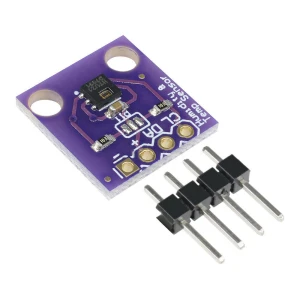
Temperatuur- en vochtigheidssensor ter vervanging SI7021 HTU21D SHT21 SHT20 HDC1080
3,63€
Nog maar 10 op voorraad
Uw recent bekeken artikelen

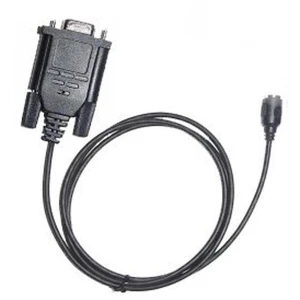
Fbus Mbus Nokia Flasher-adapter voor ontgrendeling en gegevensoverdracht
5,99€
Nog maar 1 op voorraad

 MQ135 luchtkwaliteit sensor Arduino - compatibele gas- en vervuilingsdetector
3,39€