


4,84€
Op voorraad
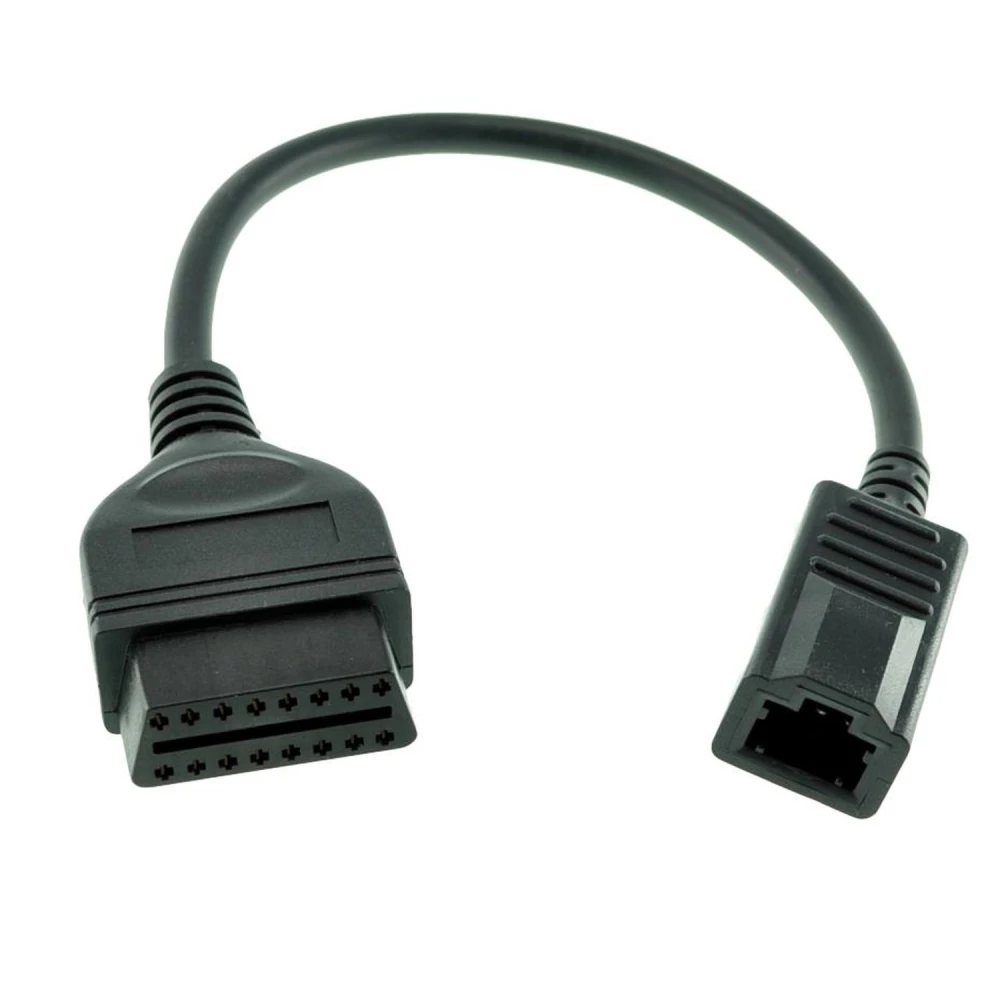
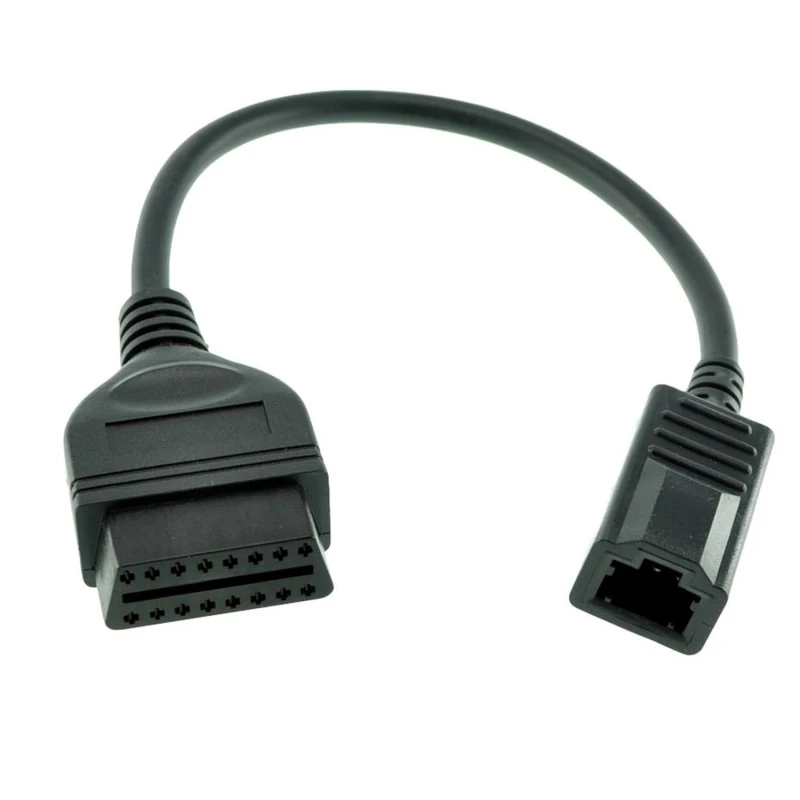
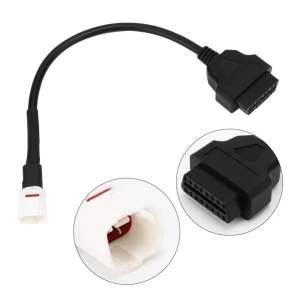
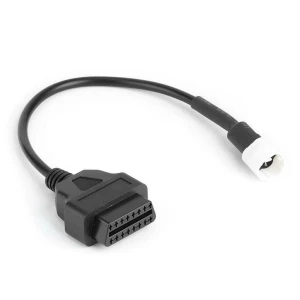
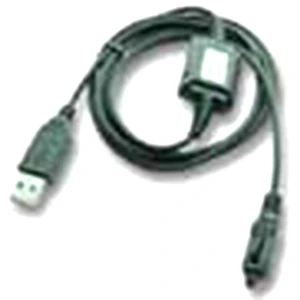
Honda 3 pin naar 16 pin OBDII adapter voor autodiagnose
Merk: satkit
4,84€
IVA inbegrepen (Excl. btw: 4,00€)
Beperkte voorraad
Standaardlevering
Wo, Apr 22 - Vr, Apr 24
Expresslevering
Ma, Apr 20 - Di, Apr 21
30 dagen retour
Gratis retourneren binnen 30 dagen
Beveiligde transactie






Share:
Gratis bezorging
Bij bestellingen boven 300€
Eenvoudig retourneren
30 dagen retourbeleid
Veilig betalen
100% veilig afrekenen
Kwaliteitsgarantie
Alleen originele producten
De Honda 3 pin naar 16 pin OBDII adapter is een adapter ontworpen voor Honda-voertuigen met een 3-pins diagnoseaansluiting die moeten worden aangesloten op standaard OBDII-diagnosetools met een 16-pins aansluiting. Deze adapter zorgt voor een eenvoudige en betrouwbare verbinding voor autodiagnose, en maakt het uitlezen van foutcodes en preventief onderhoud eenvoudiger.
Belangrijkste kenmerken:
- Honda 3 pin naar OBDII 16 pin adapter.
- Compatibel met Honda-voertuigen die een 3-pins diagnoseaansluiting gebruiken.
- Stevige constructie voor duurzaamheid en een stabiele verbinding.
- Eenvoudig te gebruiken, zonder extra gereedschap voor installatie.
- Ideaal voor garages en particuliere gebruikers die autodiagnose nodig hebben.
Typische toepassingen:
- Standaard OBDII-scanners aansluiten op Honda-voertuigen met een 3-pins aansluiting.
- Motor- en elektronische systemen diagnosticeren in oudere of specifieke Honda-auto's.
- Reparatie en onderhoud vergemakkelijken door het uitlezen van foutcodes.
Compatibiliteit:
Deze adapter is compatibel met Honda-modellen die een 3-pins diagnoseaansluiting hebben. Controleer vóór aankoop het type aansluiting van uw voertuig om een correcte werking te garanderen.
Technische specificaties:
- Type ingangsaansluiting: Honda 3 pin.
- Type uitgangsaansluiting: OBDII 16 pin.
- Materiaal: Stevige kunststof en metalen contacten voor goede geleiding.
Met deze adapter kunt u standaard OBDII-diagnosetools gebruiken om uw Honda-voertuig in optimale conditie te houden en mogelijke storingen snel en efficiënt te detecteren.
- Honda 3 pin naar OBDII 16 pin adapter.
- Compatibel met Honda-voertuigen met een 3-pins aansluiting.
- Stevige constructie voor duurzaamheid en een stabiele verbinding.
- Eenvoudige installatie zonder extra gereedschap.
- Ideaal voor diagnose en onderhoud van voertuigen.
Klantvragen & Antwoorden
Quines són les dimensions, el pes i el material de fabricació de l'adaptador?
L'adaptador típic mesura aproximadament 25 cm de longitud, té un pes proper als 70 g i està fabricat amb cable flexible de coure i connectors de plàstic ABS d'alta durabilitat. Aquestes característiques faciliten la manipulació i l'emmagatzematge sense risc de trencament en un ús normal.
Puc utilitzar el convertidor per fer diagnòstics amb el motor en marxa i quins són els límits operatius de temperatura i voltatge?
Sí, es pot utilitzar amb el motor en marxa sempre que es facin procediments de diagnòstic electrònic. El cable suporta temperatures de funcionament entre -20 °C i 60 °C, i està dissenyat per a voltatges de sistemes elèctrics d'automoció (12 V DC estàndard). No s'ha d'utilitzar com a adaptador de potència ni per a transferències de corrent prolongades.
Quins problemes solen aparèixer amb aquest tipus d'adaptadors i com es poden solucionar?
Els problemes més habituals inclouen connexió intermitent per pinces fluixes, incompatibilitat entre l'scanner i el vehicle, o cables interns danyats. Es recomana verificar la fermesa dels dos extrems, comprovar la compatibilitat de protocols i evitar estirades o doblecs forts. Si falla la comunicació, provar amb un altre scanner o revisar la continuïtat amb un multímetre pot ajudar a diagnosticar el problema.
What are the dimensions, weight and manufacturing material of the adapter?
The typical adapter measures approximately 25 cm in length, weighs around 70 g, and is made from flexible copper cable and highly durable ABS plastic connectors. These features make it easy to handle and store, with no risk of breakage under normal use.
Can I use the converter for diagnostics with the engine running, and what are the operating temperature and voltage limits?
Yes, it can be used with the engine running while carrying out electronic diagnostic procedures. The cable supports operating temperatures between -20 °C and 60 °C, and is designed for automotive electrical system voltages (standard 12 V DC). It must not be used as a power adapter or for prolonged current transfer.
What problems usually occur with this type of adapter and how can they be solved?
The most common issues include intermittent connection due to loose clips, incompatibility between the scanner and the vehicle, or damaged internal cables. It is recommended to check both ends are firmly connected, confirm protocol compatibility, and avoid pulling or bending the cable sharply. If communication fails, trying another scanner or checking continuity with a multimeter can help diagnose the problem.
What are the dimensions, weight and manufacturing material of the adapter?
The typical adapter measures approximately 25 cm in length, weighs around 70 g, and is made from flexible copper cable and highly durable ABS plastic connectors. These features make it easy to handle and store, with no risk of breakage under normal use.
Can I use the converter for diagnostics with the engine running, and what are the operating temperature and voltage limits?
Yes, it can be used with the engine running while carrying out electronic diagnostic procedures. The cable withstands operating temperatures between -20 °C and 60 °C, and is designed for automotive electrical system voltages (standard 12 V DC). It must not be used as a power adapter or for prolonged current transfer.
What problems usually occur with this type of adapter and how can they be solved?
The most common issues include intermittent connection due to loose clips, incompatibility between the scanner and the vehicle, or damaged internal cables. It is recommended to check both ends are firmly connected, confirm protocol compatibility, and avoid pulling or sharp bending. If communication fails, trying another scanner or checking continuity with a multimeter can help diagnose the problem.
Vilka är adapterns mått, vikt och tillverkningsmaterial?
Den typiska adaptern är cirka 25 cm lång, väger runt 70 g och är tillverkad med flexibel kopparkabel och slitstarka ABS-plastkontakter. Dessa egenskaper gör den enkel att hantera och förvara utan risk för brott vid normal användning.
Schrijf een klantbeoordeling
Klanten die dit artikel kochten, kochten ook
Uw recent bekeken artikelen
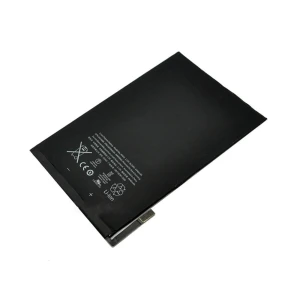
Batterij voor iPad Mini 1 - 3,72V 16.5Whr 4440mAh A1432 A1445 A1454 A1455
13,31€
Nog maar 4 op voorraad
 Honda 3 pin naar 16 pin OBDII adapter voor autodiagnose
4,84€