


7,27€
Op voorraad
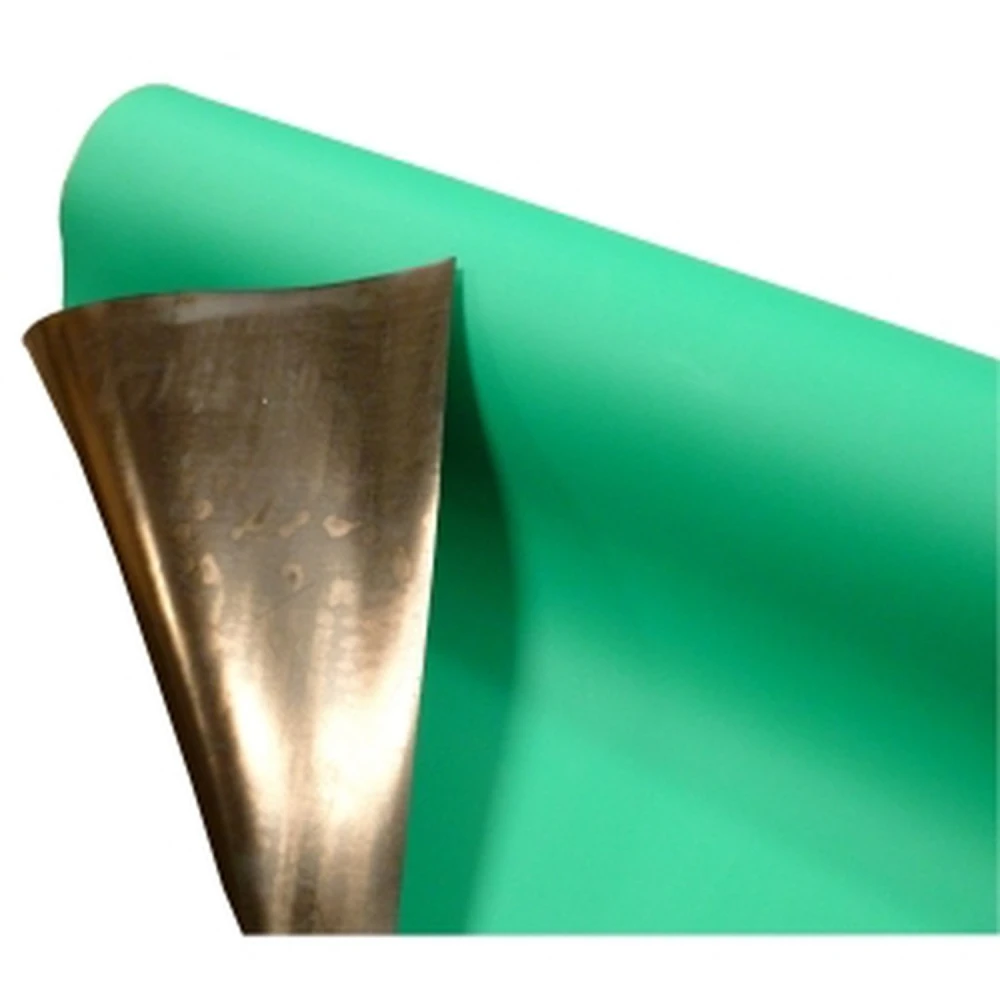
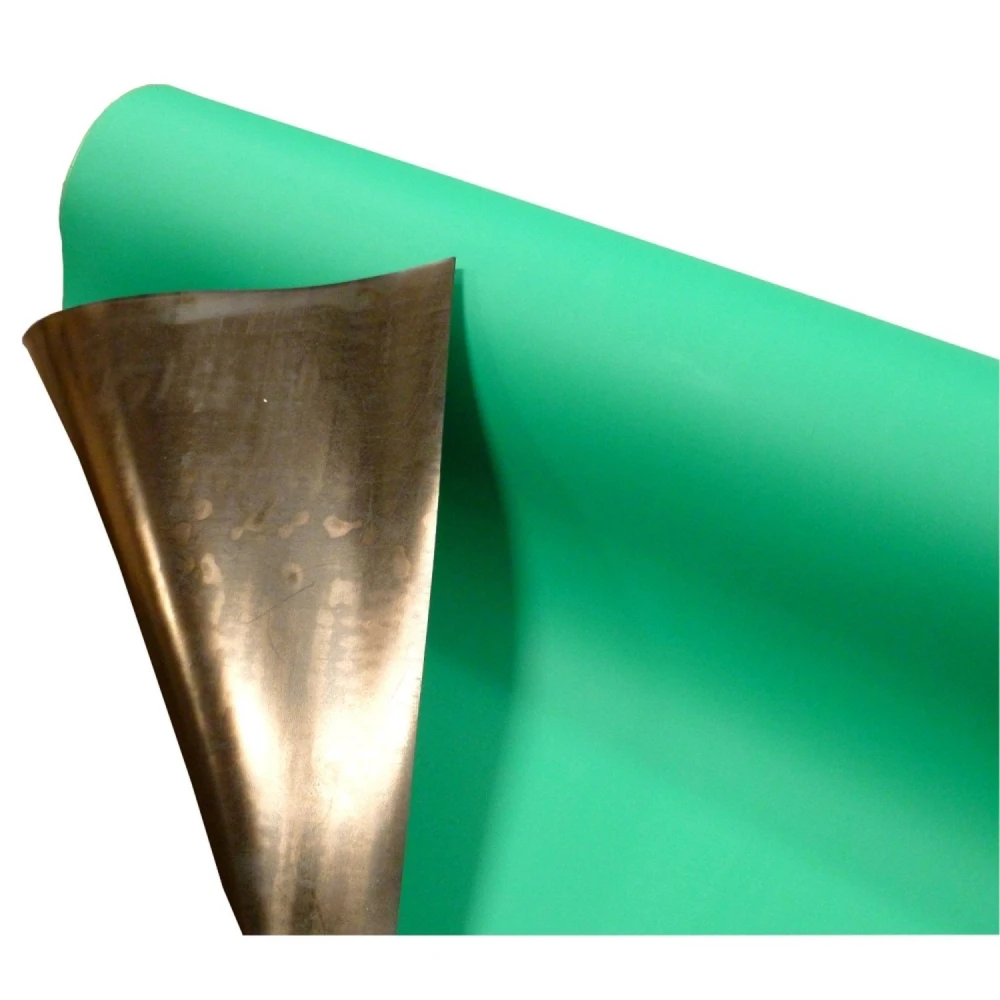
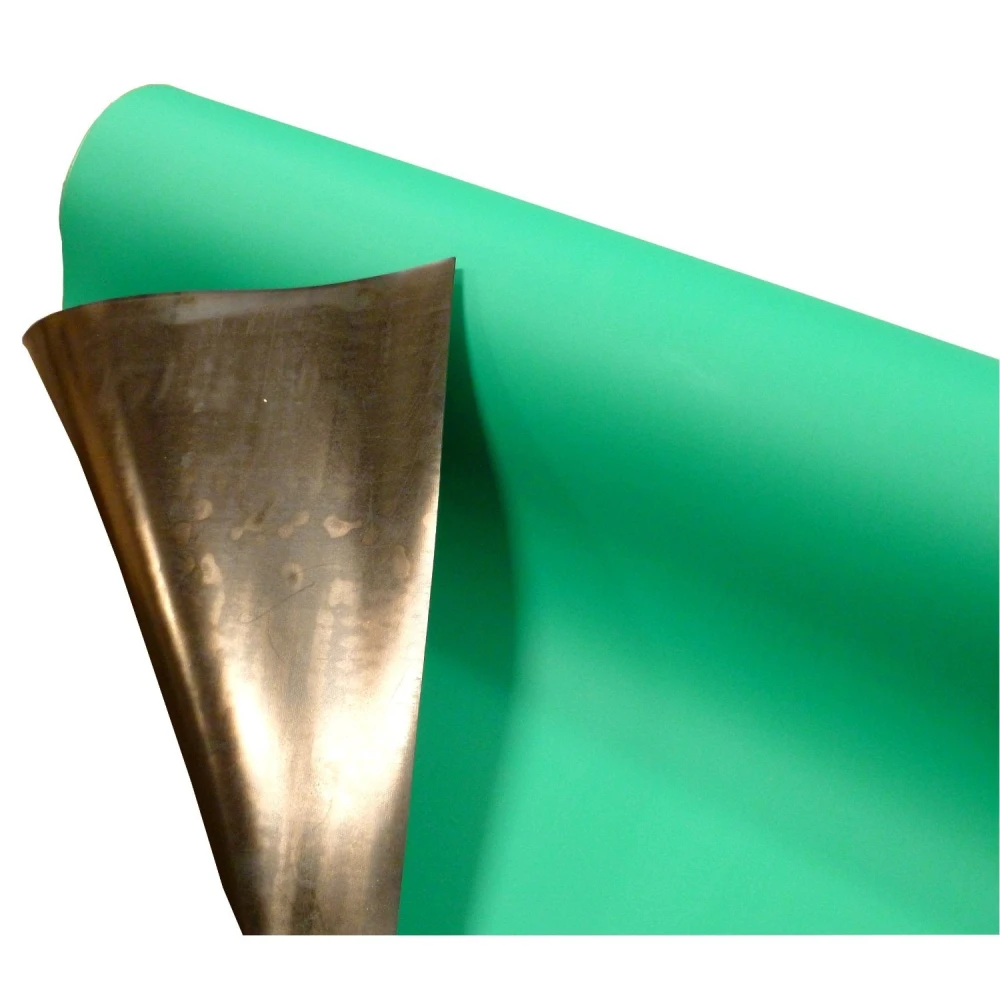
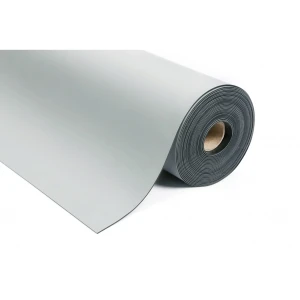
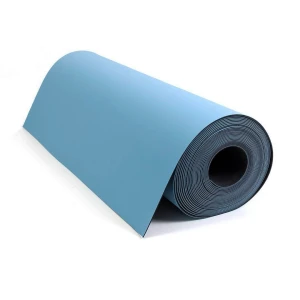
Antistatische mat 60cm x 100cm voor professionele bekleding
Merk: satkit
7,27€
IVA inbegrepen (Excl. btw: 6,01€)
Op voorraad - Direct verzonden
Standaardlevering
Wo, Apr 22 - Vr, Apr 24
Expresslevering
Ma, Apr 20 - Di, Apr 21
30 dagen retour
Gratis retourneren binnen 30 dagen
Beveiligde transactie






Share:
Gratis bezorging
Bij bestellingen boven 300€
Eenvoudig retourneren
30 dagen retourbeleid
Veilig betalen
100% veilig afrekenen
Kwaliteitsgarantie
Alleen originele producten
De antistatische mat 60cm x 100cm van satkit is een praktische en effectieve oplossing om oppervlakken te beschermen in werkomgevingen met elektronische componenten die gevoelig zijn voor statische elektriciteit. Deze antistatische rubbermat is ontworpen om tafels of vloeren te bekleden en biedt een veilige barrière die schade door elektrostatische ontlading voorkomt.
Belangrijkste kenmerken:
- Materiaal: Hoogwaardige antistatische rubber.
- Afmetingen: 60 cm breed en 100 cm lang.
- Kleur: Groen, ideaal voor technische en professionele omgevingen.
- Personalisatie: Op aanvraag kunnen andere kleuren en breedtes worden geleverd om aan verschillende behoeften te voldoen.
Typische toepassingen:
- Bekleding van werktafels in soldeer- en elektronica-reparatiestations.
- Bescherming van vloeren in montage- en verwerkingsruimtes voor gevoelige componenten.
- Ideaal voor laboratoria, werkplaatsen en industriële omgevingen waar antistatische controle vereist is.
Compatibiliteit en voordelen:
- Compatibel met de meeste soldeerstations en elektronica-tools.
- Slijtvast en eenvoudig te reinigen oppervlak, wat duurzaamheid en eenvoudig onderhoud garandeert.
- Voorkomt schade aan elektronische componenten door statische elektriciteit en verbetert zo de veiligheid en kwaliteit van het werk.
Deze antistatische mat is een essentieel accessoire voor professionals die hun apparatuur en elektronische componenten willen beschermen tijdens soldeerwerk of delicate handelingen. Bovendien maakt de mogelijkheid tot personalisatie op aanvraag het mogelijk om het product aan te passen aan verschillende ruimtes en specifieke eisen.
Voor meer informatie of speciale verzoeken kunt u contact opnemen met onze klantenservice. Bij satkit bieden wij snelle en gratis verzending voor bestellingen boven 60 euro, zodat u uw antistatische mat zo snel mogelijk ontvangt.
- Antistatische rubbermat in groen voor bescherming van tafels en vloeren
- Standaardafmetingen van 60cm x 100cm, ideaal voor soldeerwerkplekken
- Op aanvraag leverbaar in andere kleuren en breedtes
- Slijtvast en eenvoudig te reinigen materiaal voor professioneel gebruik
- Voorkomt schade door statische elektriciteit aan elektronische componenten
Klantvragen & Antwoorden
Quines són les propietats antiestàtiques del tapet i com protegeixen equips electrònics sensibles?
El tapet està fabricat en goma conductiva que ajuda a dissipar l’electricitat estàtica acumulada, mantenint una resistivitat superficial típicament entre 10^6 i 10^9 Ω/m². Aquest rang compleix les normatives ESD habituals, minimitzant el risc de descàrregues que podrien danyar circuits electrònics sensibles durant el muntatge o la manipulació.
Quin és el gruix estimat del tapet i quin és el seu pes per metre quadrat?
Tot i que el gruix no s’especifica a la descripció, és habitual que aquests tapets facin entre 2 i 3 mm de gruix. El pes per metre quadrat sol estar entre 2 i 3 kg, depenent de la densitat de la goma utilitzada, tot i que convé verificar-ho amb el fabricant per obtenir la dada exacta del lot actual.
El tapet requereix connexió a terra per funcionar correctament com a recobriment antiestàtic?
Sí, per a un rendiment antiestàtic òptim es recomana connectar el tapet a terra mitjançant una pinça o terminal adequat. S’ha d’emprar un cable conductor i assegurar-se que la presa de terra compleixi la normativa local, garantint així una dissipació contínua de la càrrega electrostàtica.
Com es fa la neteja i el manteniment del tapet sense comprometre les seves propietats antiestàtiques?
Es recomana netejar el tapet amb un drap humit o solucions neutres, evitant detergents agressius, alcohols o abrasius. Així es preserva la conductivitat superficial i la durabilitat del material. Un excés de brutícia o l’aplicació de productes no compatibles podria degradar les seves capacitats antiestàtiques.
El tapet compleix alguna normativa específica referent a protecció ESD i seguretat?
Els tapets d’aquest tipus solen complir normes internacionals com ANSI/ESD S20.20, IEC 61340-5-1 o MIL-STD-1686 pel que fa al control de descàrregues electrostàtiques i als paràmetres de resistivitat. Tanmateix, convé sol·licitar un certificat al proveïdor per validar els assajos concrets realitzats sobre aquest lot.
What are the anti-static properties of the mat, and how do they protect sensitive electronic equipment?
The mat is made from conductive rubber that helps dissipate accumulated static electricity, maintaining a typical surface resistivity of between 10^6 and 10^9 Ω/m². This range meets common ESD standards, minimising the risk of discharges that could damage sensitive electronic circuits during assembly or handling.
What is the estimated thickness of the mat, and what is its weight per square metre?
Although the thickness is not specified in the description, these mats are commonly between 2 and 3 mm thick. The weight per square metre is usually between 2 and 3 kg depending on the density of the rubber used, although it is worth checking with the manufacturer for the exact figure for the current batch.
Does the mat require grounding to work properly as an anti-static covering?
Yes, for optimum anti-static performance it is recommended to connect the mat to earth using a suitable clip or terminal. A conductive cable should be used, and the earth connection must comply with local regulations, ensuring continuous dissipation of electrostatic charge.
How should the mat be cleaned and maintained without compromising its anti-static properties?
It is recommended to clean the mat with a damp cloth or neutral cleaning solutions, avoiding harsh detergents, alcohols or abrasives. This preserves surface conductivity and material durability. Excess dirt or the use of incompatible products could degrade its anti-static performance.
Does the mat comply with any specific ESD protection and safety standards?
Mats of this type usually comply with international standards such as ANSI/ESD S20.20, IEC 61340-5-1 or MIL-STD-1686 in terms of electrostatic discharge control and resistivity parameters. However, it is advisable to request a certificate from the supplier to validate the specific tests carried out on this batch.
Schrijf een klantbeoordeling
Klanten die dit artikel kochten, kochten ook

Uw recent bekeken artikelen


 Antistatische mat 60cm x 100cm voor professionele bekleding
7,27€