

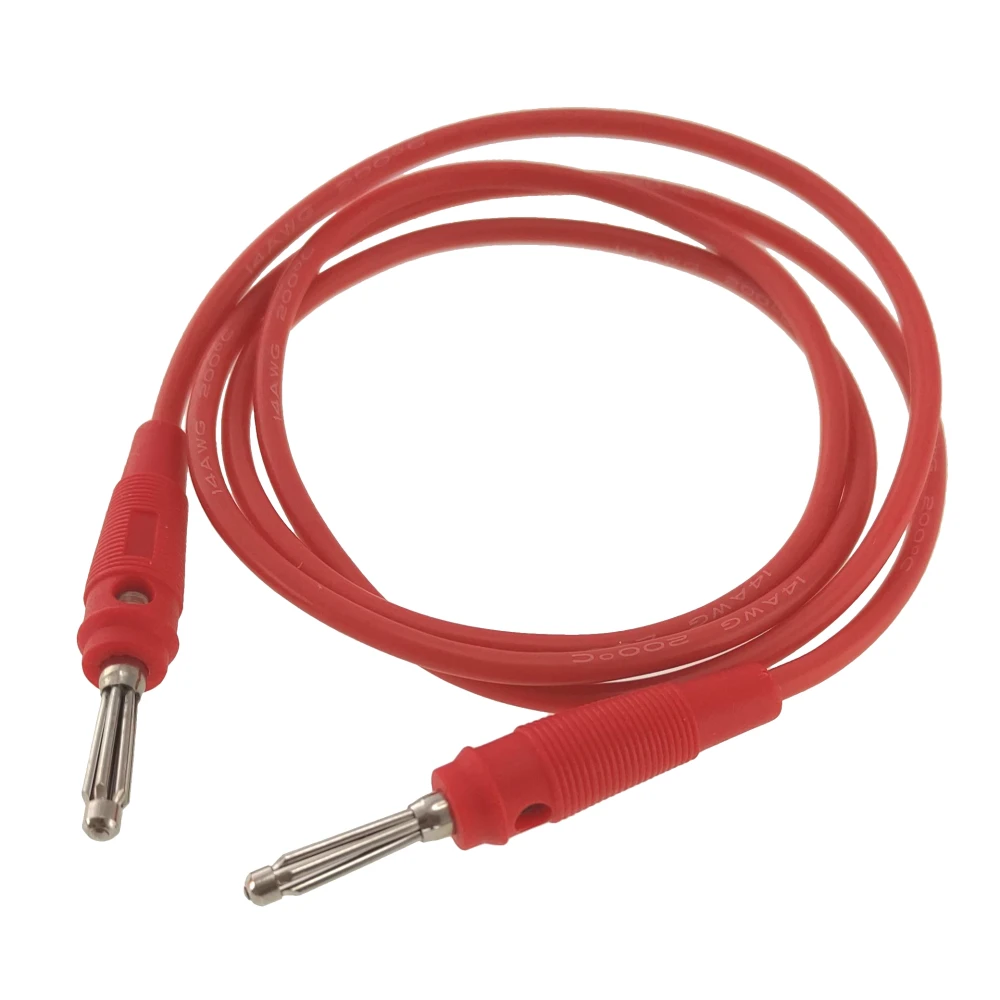
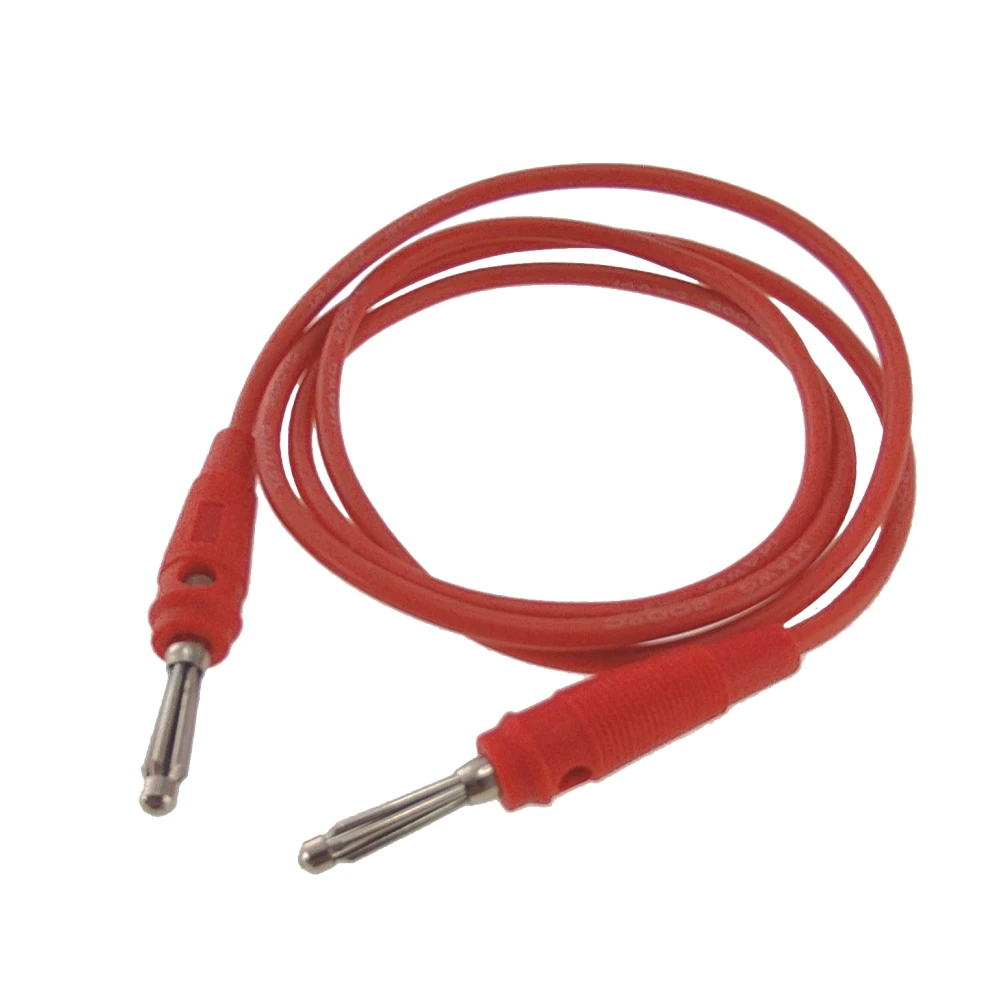
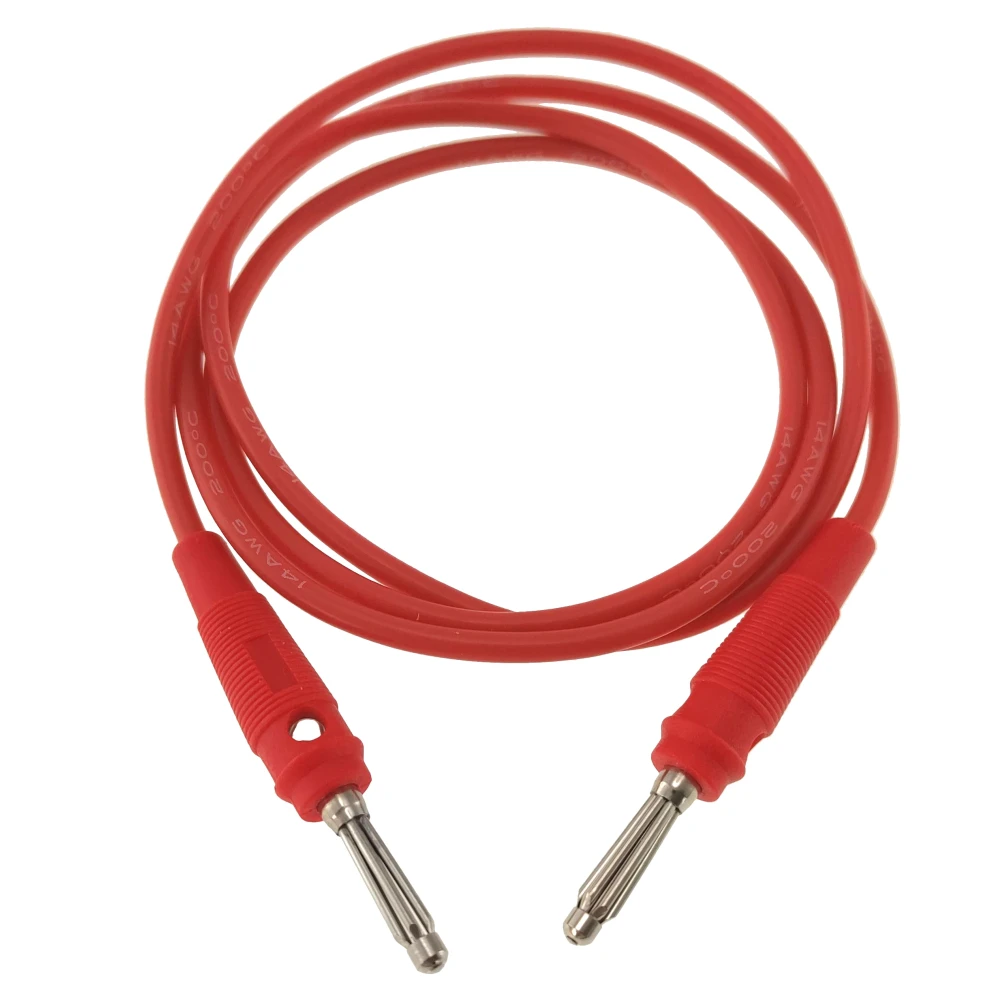
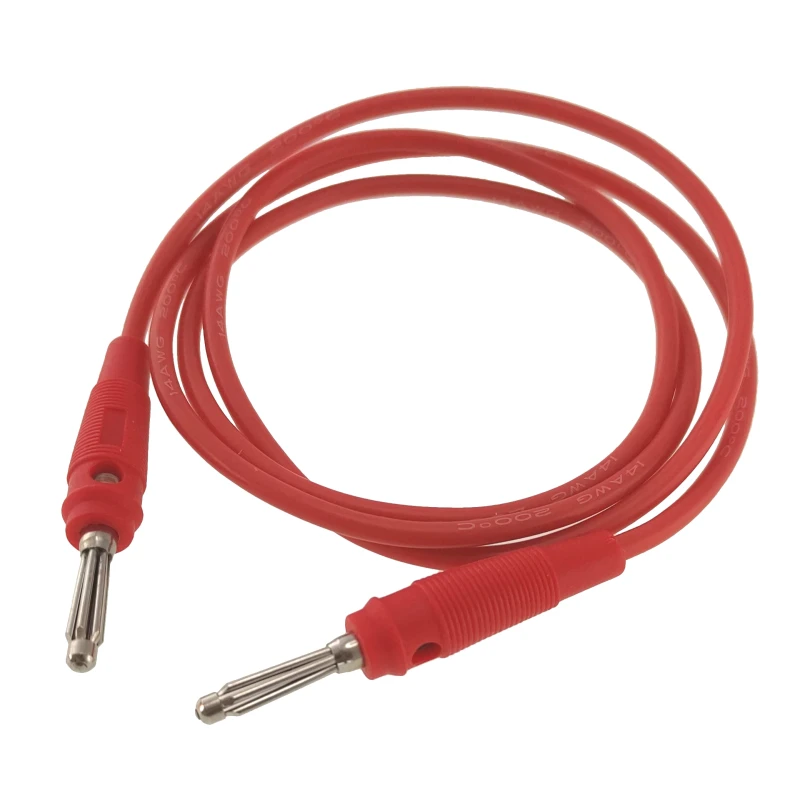
Amass siliconen testkabel banana man-mannetje 4mm 14AWG rood
Merk: Amass
IVA inbegrepen (Excl. btw: 3,00€)


TL136 Banana Macho a Macho 4mm 14AWG Siliconen Testkabel Rood
Deze testkabel van het merk Amass is een essentieel hulpmiddel voor professionals en elektronicaliefhebbers die betrouwbare en veilige verbindingen nodig hebben. Ontworpen met hoogwaardige materialen biedt deze kabel uitstekende geleiding en duurzaamheid.
Belangrijkste kenmerken:
- Materiaal: 14AWG siliconenkabel, die veel flexibiliteit en slijtvastheid biedt.
- Connectoren: 4mm banana man-mannetje met vernikkeld messing voor een stabiele en duurzame verbinding.
- Elektrische classificatie: Ondersteunt tot 30VAC en 60VDC met een maximale stroom van 32A, ideaal voor meet- en testtoepassingen.
- Lengte: 1 meter, voor voldoende bereik bij diverse taken.
- Kleur: Rood, voor eenvoudige identificatie in de werkomgeving.
Typische toepassingen:
- Aansluiting op meetapparatuur zoals multimeters en oscilloscopen.
- Elektrische tests in circuits en elektronische componenten.
- Elektronica-projecten die betrouwbare en flexibele testkabels vereisen.
Compatibiliteit: Compatibel met elk apparaat of elke apparatuur die 4mm banana connectoren gebruikt, vooral geschikt voor elektronica- en elektrische testtoepassingen.
Deze TL136 testkabel is een betrouwbare keuze voor wie op zoek is naar kwaliteit en duurzaamheid in meetgereedschap. Het siliconen ontwerp en de vernikkelde connectoren garanderen optimale prestaties onder diverse werkomstandigheden.
- Zeer flexibele en duurzame 14AWG siliconen testkabel
- 4mm banana man-mannetje connectoren van vernikkeld messing
- Elektrische classificatie: 30VAC-60VDC / maximaal 32A
- Lengte van 1 meter voor extra veelzijdigheid
- Rode kleur voor eenvoudige identificatie in de werkomgeving
Klantvragen & Antwoorden
Quins avantatges ofereix el cable TL136 de silicona 14AWG davant cables de PVC o altres materials?
L’aïllament de silicona del cable TL136 proporciona més flexibilitat, una resistència tèrmica superior i una millor durabilitat davant la fatiga per doblegament en comparació amb cables de PVC. Això es tradueix en un menor risc d’esquerdes i un rendiment més estable en aplicacions de laboratori o enginyeria on el cablejat experimenta moviments freqüents.
Quines són les dimensions exactes i el pes del cable TL136, i què inclou la caixa?
El cable té una longitud de 1 m, amb connectors banana mascle de 4 mm de diàmetre. El diàmetre extern del conductor 14AWG és d’aproximadament 2,08 mm, amb recobriment de silicona. El pes estimat per unitat és de 45-55 g. La caixa inclou únicament el cable de prova de color vermell, sense accessoris addicionals.
És compatible aquest cable banana de 4 mm amb tots els equips de prova estàndard i quins límits de tensió/corrent té?
El connector banana mascle de 4 mm és compatible amb la majoria d’instruments de mesura i fonts d’alimentació de laboratori que adopten aquesta norma. Suporta fins a 32 A i 30 VAC o 60 VDC. No s’ha d’utilitzar fora d’aquests valors per riscos elèctrics o dany al material.
Quin manteniment requereix i com pot afectar la temperatura ambient a la seva durabilitat?
El cable requereix una neteja ocasional amb un drap sec per eliminar residus. La silicona suporta temperatures de treball típiques fins a 180 °C, però el connector i l’aïllament de PVC poden limitar l’ús continu a contextos de laboratori (20-60 °C). Cal evitar exposicions prolongades al sol o a compostos químics forts per preservar la flexibilitat.
Quins problemes són els més freqüents en aquest tipus de cables i com es poden solucionar?
Les fallades més comunes inclouen fatiga per doblegament a la zona propera al connector i pèrdua de conductivitat per brutícia o oxidació lleu als pins de llautó niquelat. Es recomana revisar periòdicament la integritat de l’aïllament i netejar els connectors amb alcohol isopropílic si hi ha pèrdua de contacte. No és recomanable soldar o reparar els pins; si presenta danys visibles, és millor substituir el cable.
What advantages does the TL136 14 AWG silicone cable offer over PVC or other materials?
The silicone insulation in the TL136 cable provides greater flexibility, superior thermal resistance and better durability against bending fatigue compared with PVC cables. This results in a lower risk of cracking and more stable performance in laboratory or engineering applications where the wiring is moved frequently.
What are the exact dimensions and weight of the TL136 cable, and what is included in the box?
The cable is 1 m long, with 4 mm male banana connectors. The external diameter of the 14 AWG conductor is approximately 2.08 mm, with a silicone coating. The estimated weight per unit is 45-55 g. The box includes only the red test lead, with no additional accessories.
Is this 4 mm banana cable compatible with all standard test equipment, and what voltage/current limits does it have?
The 4 mm male banana connector is compatible with most measuring instruments and laboratory power supplies that use this standard. It supports up to 32 A and 30 VAC or 60 VDC. It should not be used outside these values due to electrical risks or material damage.
What maintenance does it require, and how can ambient temperature affect its durability?
The cable requires occasional cleaning with a dry cloth to remove residue. Silicone withstands typical working temperatures up to 180 °C, but the connector and PVC insulation may limit continuous use to laboratory environments (20-60 °C). Avoid prolonged exposure to sunlight or strong chemical compounds to preserve flexibility.
What are the most common problems with this type of cable and how can they be solved?
The most common faults include bending fatigue near the connector and loss of conductivity due to dirt or slight oxidation on the nickel-plated brass pins. It is recommended to periodically check the integrity of the insulation and clean the connectors with isopropyl alcohol if contact is lost. Soldering or repairing the pins is not recommended; if there is visible damage, it is better to replace the cable.
Schrijf een klantbeoordeling
Klanten die dit artikel kochten, kochten ook


Uw recent bekeken artikelen
Achi Ir Pro SC temperatuursensor - compatibel reserveonderdeel voor soldeerstations
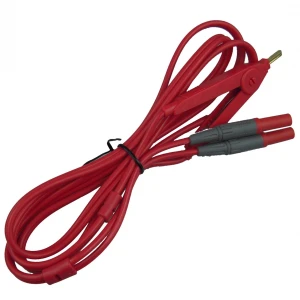
Amass multimeterkabels met grote klem voor nauwkeurige en betrouwbare metingen