


8,47€
Op voorraad
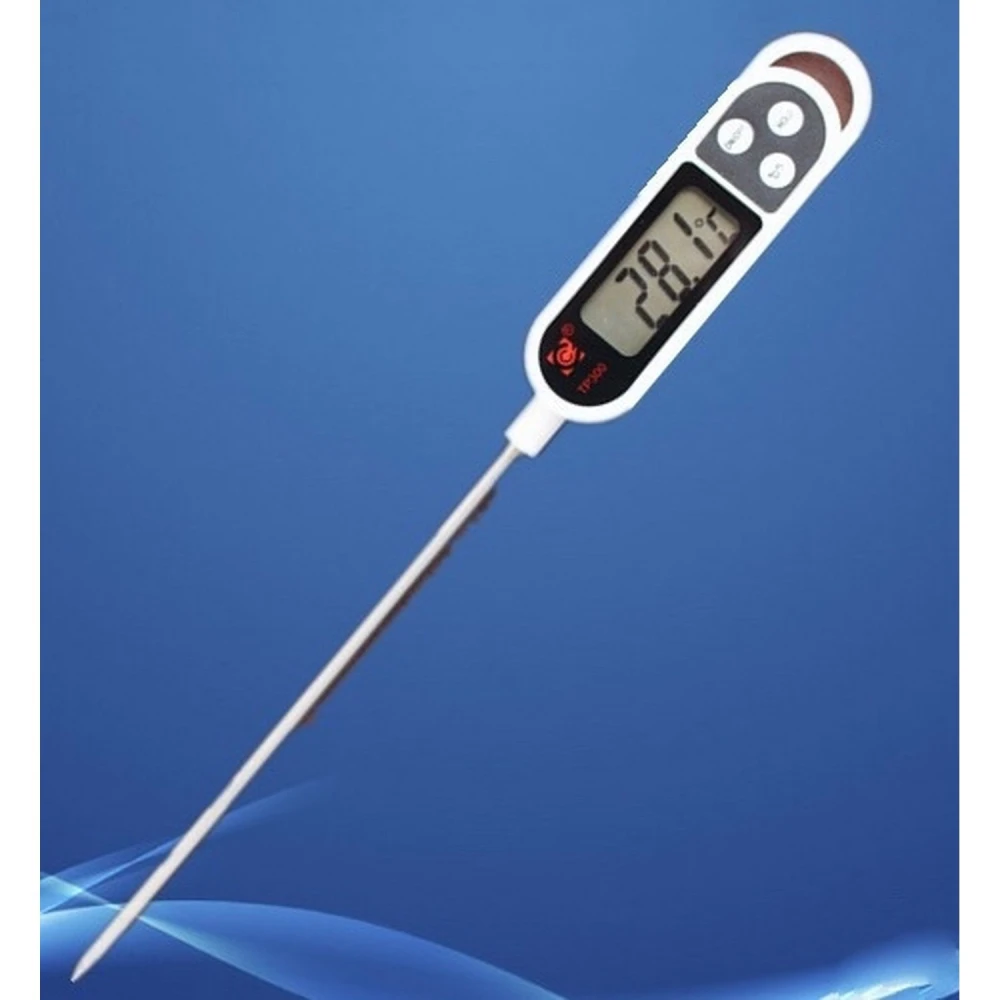
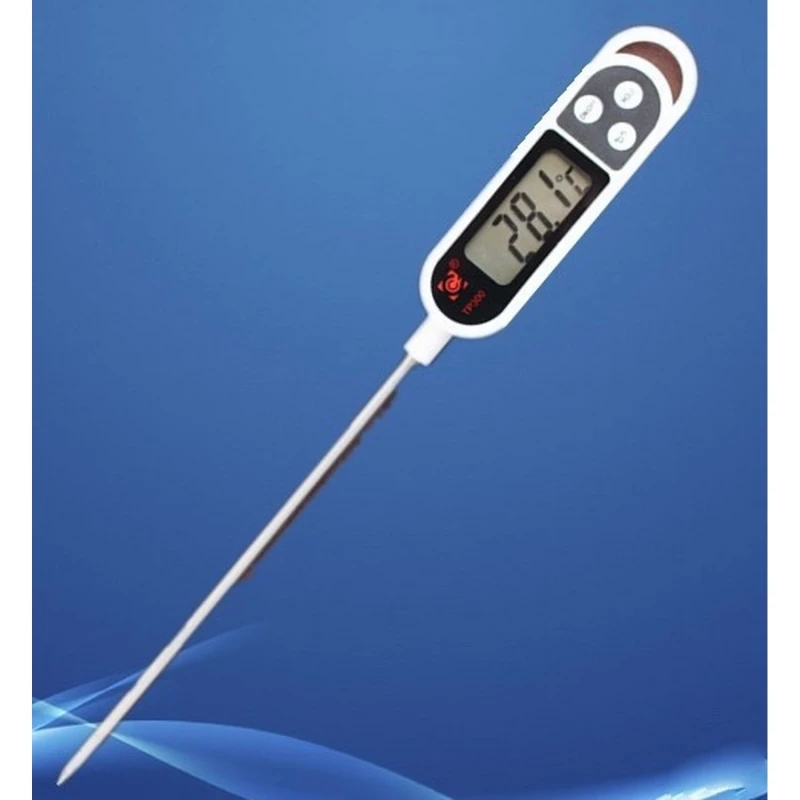
Digitale keukenthermometer TP300 met LCD-display bereik -50ºC tot +300ºC
Merk: satkit
8,47€
IVA inbegrepen (Excl. btw: 7,00€)
Nog maar 3 op voorraad - bestel snel!
Standaardlevering
Wo, Apr 22 - Vr, Apr 24
Expresslevering
Ma, Apr 20 - Di, Apr 21
30 dagen retour
Gratis retourneren binnen 30 dagen
Beveiligde transactie


Share:
Gratis bezorging
Bij bestellingen boven 300€
Eenvoudig retourneren
30 dagen retourbeleid
Veilig betalen
100% veilig afrekenen
Kwaliteitsgarantie
Alleen originele producten
De digitale keukenthermometer TP300 is een onmisbaar hulpmiddel voor wie op zoek is naar precisie en gebruiksgemak bij het meten van de temperatuur van voedingsmiddelen. Het brede bereik van -50ºC tot +300ºC maakt hem ideaal voor diverse culinaire toepassingen, van diepvriesproducten tot warme bereidingen.
Belangrijkste kenmerken:
- Nauwkeurigheid van 0.1 graden voor exacte metingen.
- Goed leesbaar digitaal LCD-scherm dat de temperatuur duidelijk weergeeft.
- Keuze tussen graden Celsius en Fahrenheit voor extra gebruiksgemak.
- Meetvastzetfunctie met aparte toets voor eenvoudiger aflezen.
- Automatische uitschakeling om batterij te besparen en de levensduur van het apparaat te verlengen.
- Foutmarge van ±1% die betrouwbare resultaten garandeert.
- Werkt op een meegeleverde LR44-batterij (1.5V), met een licht gewicht van ongeveer 22 gram.
Typische toepassingen:
- Temperatuurcontrole van vlees, vis en andere voedingsmiddelen tijdens het koken.
- Controle van temperaturen tijdens invriezen of ontdooien.
- Ideaal voor professionele koks en hobbykoks die precisie nodig hebben.
Compatibiliteit en gebruiksgemak:
De TP300 is geschikt voor elke thuis- of professionele keukenomgeving. Het compacte en lichte ontwerp zorgt voor comfortabel en snel gebruik. De meegeleverde LR44-batterij maakt direct gebruik mogelijk zonder extra aankopen.
Deze digitale keukenthermometer met LCD-display is een voordelige en efficiënte oplossing voor wie de temperatuur van bereidingen nauwkeurig wil controleren.
- Nauwkeurigheid van 0.1 graden voor exacte metingen
- Goed leesbaar digitaal LCD-scherm
- Keuze tussen Celsius en Fahrenheit
- Meetvastzetfunctie
- Automatische uitschakeling voor energiebesparing
- Temperatuurbereik: -50ºC tot +300ºC
- Werkt op meegeleverde LR44-batterij
- Licht gewicht: ongeveer 22 gram
Klantvragen & Antwoorden
Quin nivell de precisió i resolució ofereix el termòmetre TP300 i com impacta això en usos culinaris delicats?
El TP300 proporciona una precisió de ±1% de la lectura i una resolució de 0.1°C. Això permet mesurar variacions petites i és suficient per a receptes on el control de temperatura és crític, com ara la caramel·lització o el sous vide. Tanmateix, en aplicacions científiques o industrials, podrien caldre instruments amb un marge d’error menor.
Quin tipus de materials componen la sonda i el cos del TP300, i quines són les seves dimensions i pes exactes?
La sonda sol ser d’acer inoxidable (apte per a contacte alimentari), amb cos de plàstic ABS. Dimensions aproximades: longitud total 230 mm, diàmetre de la sonda 4 mm, longitud de la sonda 150 mm. Pes total: 22 g incloent-hi la bateria. Aquestes dades poden variar lleugerament segons el lot de fabricació.
És possible utilitzar el TP300 en líquids o olis calents sense comprometre’n el funcionament?
Sí, la sonda està dissenyada per introduir-se en líquids i olis dins del rang operatiu (-50°C a +300°C). És fonamental evitar submergir el cos del termòmetre, ja que no és impermeable ni resistent a l’aigua; només la sonda està preparada per al contacte directe.
Quin tipus i quantes bateries requereix el TP300? Quant dura en ús típic i és fàcil substituir-la?
Utilitza una pila tipus botó LR44 de 1.5 V (inclosa). En ús domèstic mitjà, la bateria sol durar entre 6 i 12 mesos, depenent de la freqüència i la durada de les mesures gràcies a funcions com l’apagat automàtic. El compartiment és accessible i el reemplaçament és senzill, i només cal obrir la tapa posterior amb la mà.
Hi ha diferències rellevants entre el TP300 i altres termòmetres digitals similars pel que fa a velocitat de mesura i límits de temperatura?
El TP300 té un temps de resposta típic de 4-7 segons i un rang de mesura estàndard (-50°C a +300°C). Comparat amb models equivalents, el seu rang i velocitat són estàndard; alguns models premium poden oferir una resposta més ràpida (<3 segons) o rangs més amplis, però per a cuina domèstica les diferències solen ser mínimes.
What level of accuracy and resolution does the TP300 thermometer offer, and how does this affect delicate cooking uses?
The TP300 provides an accuracy of ±1% of the reading and a resolution of 0.1°C. This allows small temperature changes to be measured and is sufficient for recipes where temperature control is critical, such as caramelisation or sous vide. However, scientific or industrial applications may require instruments with a smaller margin of error.
What materials make up the probe and body of the TP300, and what are its exact dimensions and weight?
The probe is usually made from stainless steel (food-contact safe), with an ABS plastic body. Approximate dimensions: total length 230 mm, probe diameter 4 mm, probe length 150 mm. Total weight: 22 g including battery. These details may vary slightly depending on the production batch.
Can the TP300 be used in hot liquids or oils without affecting its operation?
Yes, the probe is designed to be inserted into liquids and oils within the operating range (-50°C to +300°C). It is essential not to immerse the thermometer body, as it is not waterproof or water-resistant; only the probe is designed for direct contact.
What type and how many batteries does the TP300 require? How long does it last in typical use, and is it easy to replace?
It uses one LR44 1.5 V button cell (included). In average domestic use, the battery usually lasts between 6 and 12 months, depending on how often and how long measurements are taken, thanks to features such as auto power-off. The battery compartment is accessible and replacement is simple, requiring the rear cover to be opened by hand.
Are there any significant differences between the TP300 and similar digital thermometers in terms of measurement speed and temperature limits?
The TP300 has a typical response time of 4-7 seconds and a standard measurement range (-50°C to +300°C). Compared with equivalent models, its range and speed are standard; some premium models may offer faster response (<3 seconds) or wider ranges, but for home cooking the differences are usually minimal.
Schrijf een klantbeoordeling
Klanten die dit artikel kochten, kochten ook
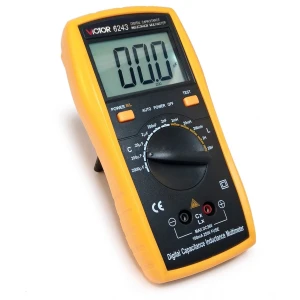
Victor 6243 LCR-meter voor nauwkeurige meting van inductie, capaciteit en weerstand
38,72€
Nog maar 1 op voorraad
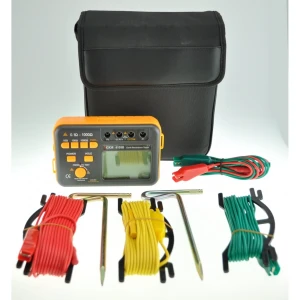
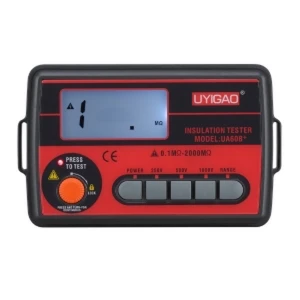
Uyigao UA60B+ isolatietester CAT III 1000 V voor weerstanden tot 2000 MΩ
41,20€
Nog maar 2 op voorraad
 Digitale keukenthermometer TP300 met LCD-display bereik -50ºC tot +300ºC
8,47€