


12,09€
Op voorraad
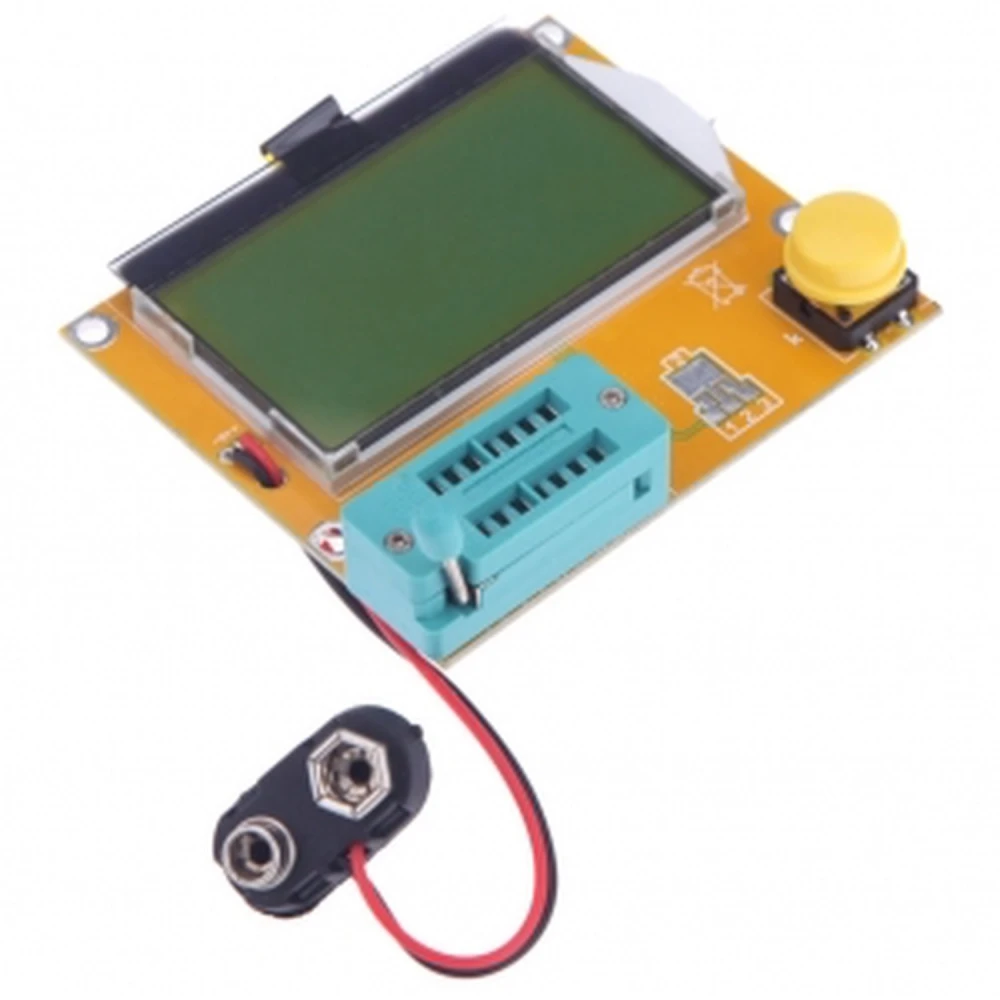
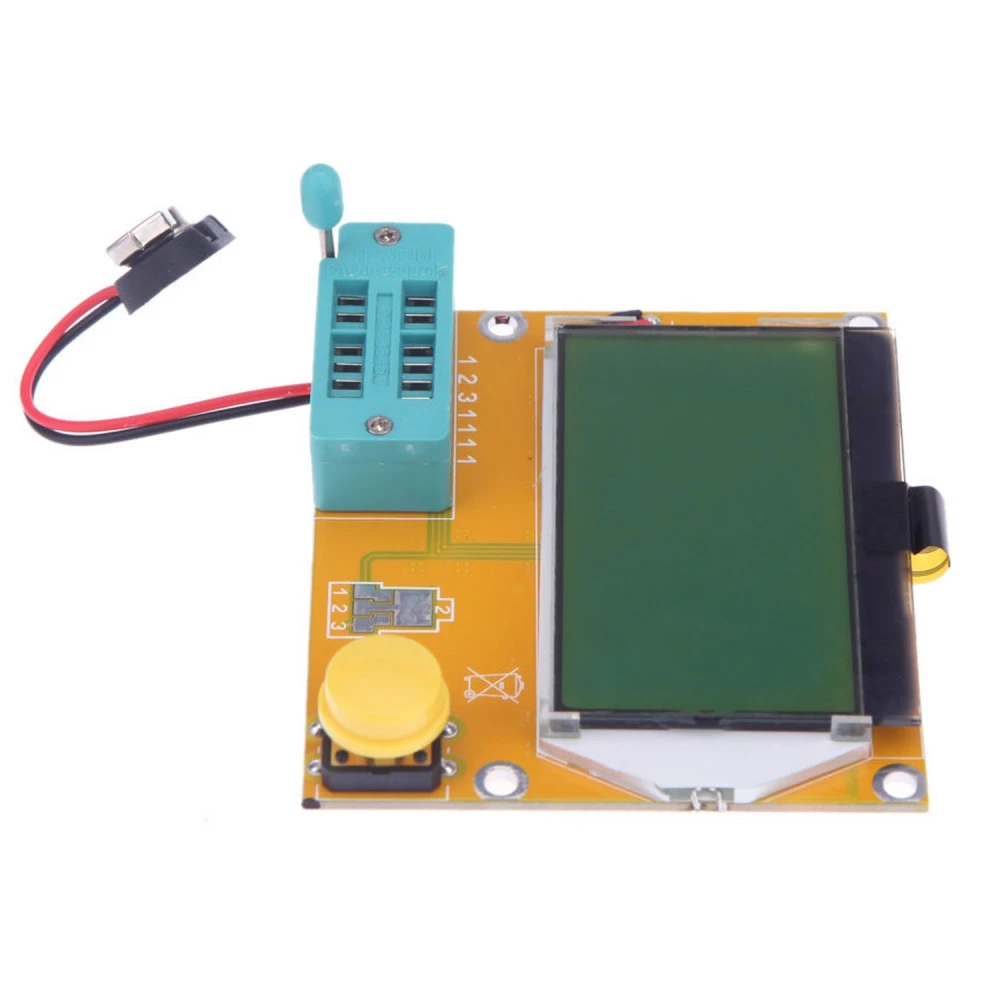
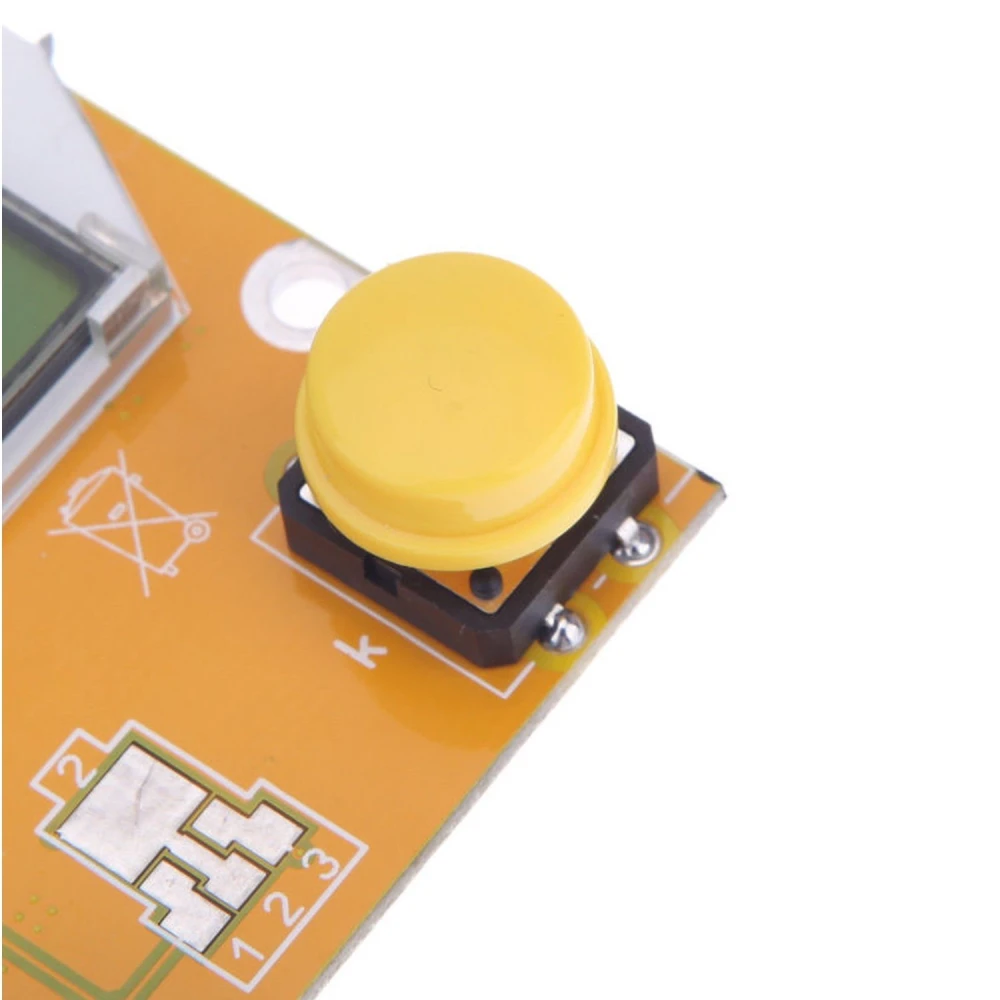
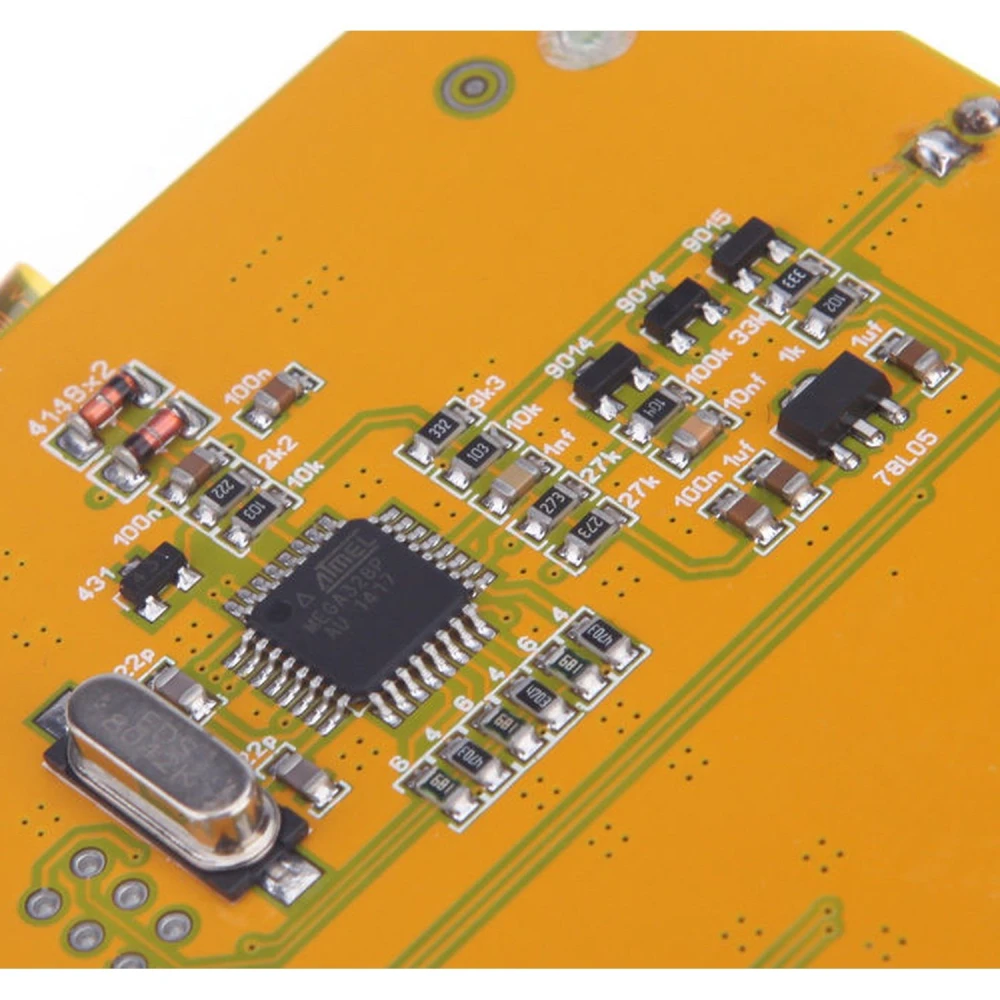
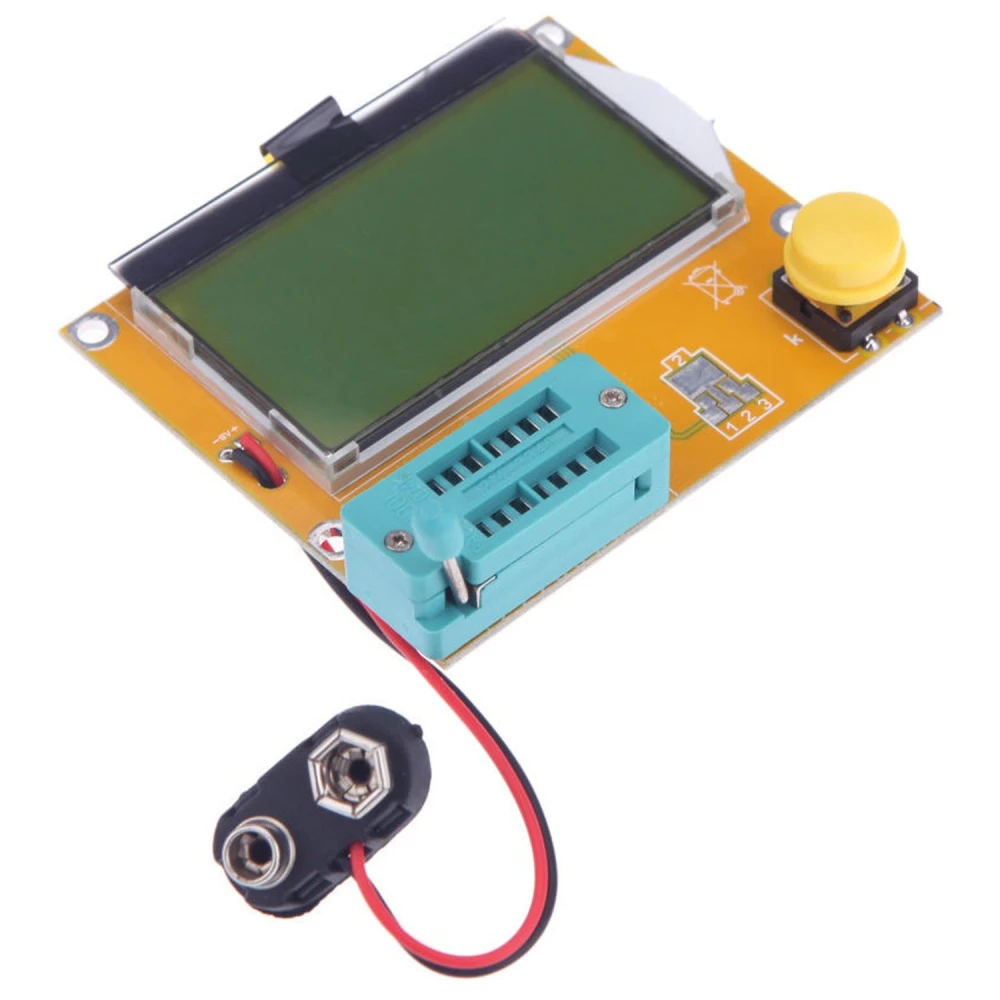
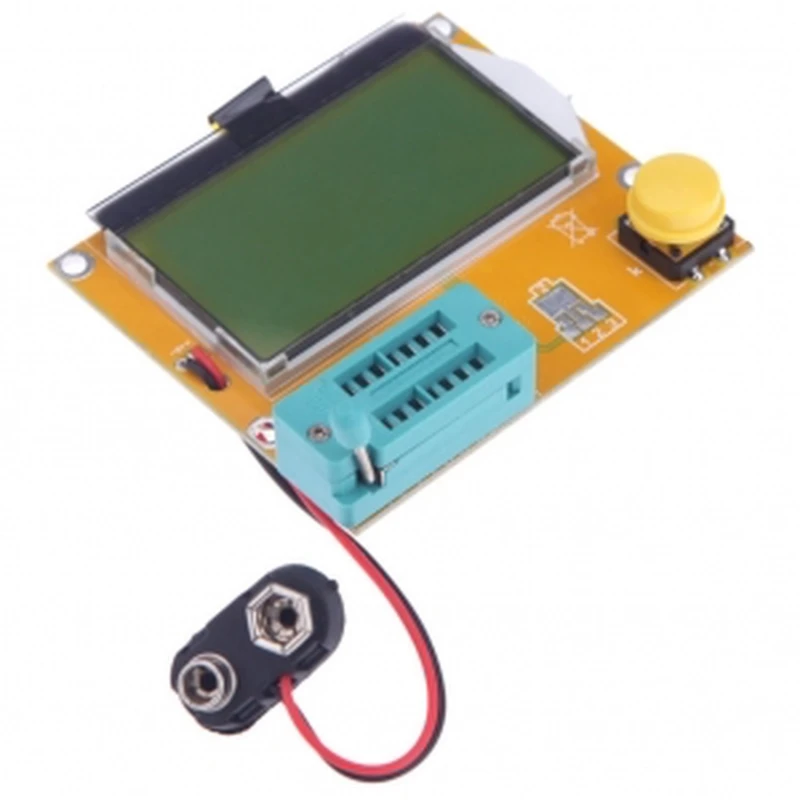
LCR-T4 tester voor transistor, condensatoren, ESR, inductantie en weerstand
Merk: satkit
12,09€
IVA inbegrepen (Excl. btw: 9,99€)
Beperkte voorraad
Standaardlevering
Wo, Apr 22 - Vr, Apr 24
Expresslevering
Ma, Apr 20 - Di, Apr 21
30 dagen retour
Gratis retourneren binnen 30 dagen
Beveiligde transactie


Share:
Gratis bezorging
Bij bestellingen boven 300€
Eenvoudig retourneren
30 dagen retourbeleid
Veilig betalen
100% veilig afrekenen
Kwaliteitsgarantie
Alleen originele producten
De LCR-T4 Tester transistor condensatoren ESR is een essentieel hulpmiddel voor technici en elektronicaliefhebbers die nauwkeurige en snelle metingen van elektronische componenten nodig hebben. Dit compacte en eenvoudig te bedienen apparaat maakt het mogelijk om bipolaire transistors (NPN, PNP), MOSFETs (N-channel en P-channel), JFETs, diodes, thyristors, condensatoren, inductanties en weerstanden met grote precisie te identificeren en te meten.
Belangrijkste kenmerken:
- Bediening met één knop en automatische uitschakeling voor energiebesparing.
- Lage uitschakelstroom van 20nA, wat nauwkeurige metingen garandeert zonder de componenten te beschadigen.
- Automatische detectie van bipolaire transistors, MOSFET, JFET, diodes, eenrichtings- en tweerichtings-thyristors.
- Automatische identificatie van de pinconfiguratie van de componenten.
- Meting van de stroomversterkingsfactor (hFE) en basis-emitter drempelspanning voor bipolaire transistors.
- Herkenning van Darlington-transistors via spannings- en versterkingsanalyse.
- Detectie van beveiligingsdiodes in MOS-transistors.
- Meting van de drempelspanning en gate-capaciteit in MOSFETs.
- Gelijktijdige meting van twee weerstanden met aanduiding van symbool en pinnummer, ideaal voor potentiometers.
- Hoge resolutie bij het meten van weerstanden van 0.1 ohmios tot 50M ohmios.
- Meting van capaciteit van 30pF tot 100mF met een resolutie van 1pF.
- Gelijktijdige meting van equivalente serieweerstand (ESR) in condensatoren van meer dan 2uF met een resolutie van 0.01 ohmios.
- Nauwkeurige identificatie van diodes, LEDs en Zenerdiodes met meting van voorwaartse en omgekeerde doorslagspanningen.
- Meting van omgekeerde capaciteit in diodes en aangesloten bipolaire transistors.
- Eenvoudige meting van gelijkrichterbruggen met één enkele aansluiting.
Typische toepassingen:
Deze tester is ideaal voor elektronicatechnici, ingenieurs en hobbyisten die snel de status en eigenschappen van elektronische componenten willen controleren in circuits, bij reparaties en tijdens het ontwikkelen van prototypes. Dankzij het gebruiksgemak en de nauwkeurigheid is hij perfect voor het opsporen van defecten, het controleren van nieuwe of gebruikte componenten en het uitvoeren van diagnoses in elektronische apparatuur.
Compatibiliteit:
Compatibel met een breed scala aan veelgebruikte elektronische componenten in analoge en digitale elektronica, waaronder NPN- en PNP-bipolaire transistors, MOSFETs, JFETs, diodes, thyristors, weerstanden, condensatoren en componenten met ESR.
Met de LCR-T4 Tester heb je een betrouwbaar en veelzijdig hulpmiddel voor je elektronische projecten en reparaties.
- Bediening met één knop en automatische uitschakeling voor energiebesparing
- Detecteert automatisch NPN-, PNP-, MOSFET-, JFET-, diode- en thyristorcomponenten
- Meting van stroomversterkingsfactor (hFE) en basis-emitter drempelspanning
- Gelijktijdige meting van twee weerstanden en potentiometers met hoge resolutie
- Meting van capaciteit van 30pF tot 100mF met resolutie van 1pF
- Meting van equivalente serieweerstand (ESR) in condensatoren van meer dan 2uF
- Identificatie van diodes, LEDs en Zenerdiodes met meting van voorwaartse en omgekeerde spanningen
- Meting van omgekeerde capaciteit in diodes en bipolaire transistors
- Eenvoudige meting van gelijkrichterbruggen met één enkele aansluiting
Klantvragen & Antwoorden
Quines són les dimensions, el pes i els materials principals del tester? Què inclou la caixa?
El Lcr-T4 normalment mesura 70x90x28 mm i pesa al voltant de 70 g. El cos principal és de plàstic ABS amb pantalla LCD integrada. A la caixa normalment s'hi inclou el mòdul Lcr-T4, suport per a transistors i connectors o cables, però el contingut pot variar segons el proveïdor; es recomana revisar la llista exacta abans de comprar.
Quin tipus d'alimentació requereix i hi ha requisits per al seu funcionament correcte?
El tester funciona amb una pila estàndard de 9 V (tipus 6F22/PP3). El seu consum és baix (només 20 nA en espera), però la mesura fiable requereix que la bateria lliuri almenys 7 V. No és compatible amb fonts d'alimentació externes ni amb voltatges superiors, per evitar danys al circuit.
Quins són els errors o problemes freqüents en fer servir el Lcr-T4 i com es poden solucionar?
Els problemes habituals inclouen resultats erràtics per males connexions als pins, bateria baixa o components fora de rang. Per solucionar-ho, assegureu la neteja i fermesa en el contacte dels terminals, substituïu la bateria si la pantalla mostra inestabilitats i verifiqueu que el component a mesurar estigui dins del rang de l'aparell.
Quines diferències objectives té aquest tester respecte a un multímetre digital avançat convencional?
A diferència d'un multímetre digital, el Lcr-T4 identifica automàticament el component i la disposició dels pins, a més de mesurar paràmetres avançats com ESR, Vth de MOSFET i hFE de BJTs, sense necessitat de configurar rangs manualment. Tanmateix, no mesura voltatge/corrent en circuit i la seva exactitud és inferior a la d'un multímetre professional avançat.
What are the dimensions, weight and main materials of the tester? What is included in the box?
The Lcr-T4 typically measures 70 x 90 x 28 mm and weighs around 70 g. The main body is made of ABS plastic with an integrated LCD screen. The box usually includes the Lcr-T4 module, transistor socket, and connectors or cables, but the contents may vary by supplier; it is recommended to check the exact listing before buying.
What type of power supply does it require and are there any requirements for correct operation?
The tester works with a standard 9 V battery (6F22/PP3 type). Its consumption is low (only 20 nA in standby), but reliable measurement requires the battery to provide at least 7 V. It is not compatible with external power supplies or higher voltages, to avoid damage to the circuit.
What are the common errors or issues when using the Lcr-T4 and how can they be solved?
Common issues include erratic results due to poor contact on the pins, a low battery, or components outside the range. To solve this, ensure the terminals are clean and making firm contact, replace the battery if the display becomes unstable, and check that the component being measured is within the device's range.
What are the objective differences between this tester and a conventional advanced digital multimeter?
Unlike a digital multimeter, the Lcr-T4 automatically identifies the component and its pin arrangement, and also measures advanced parameters such as ESR, MOSFET Vth and BJT hFE, without needing manual range selection. However, it does not measure voltage/current in circuit and its accuracy is lower than that of an advanced professional multimeter.
What are the dimensions, weight and main materials of the tester? What is included in the box?
The Lcr-T4 typically measures 70 x 90 x 28 mm and weighs around 70 g. The main body is made of ABS plastic with an integrated LCD screen. The box usually includes the Lcr-T4 module, a transistor socket, and connectors or cables, but contents may vary by supplier; it is recommended to check the exact listing before buying.
What type of power supply does it require, and are there any requirements for correct operation?
The tester runs on a standard 9 V battery (6F22/PP3 type). Its power consumption is very low (only 20 nA in standby), but reliable measurement requires the battery to provide at least 7 V. It is not compatible with external power supplies or higher voltages, to avoid damage to the circuit.
Schrijf een klantbeoordeling
Klanten die dit artikel kochten, kochten ook
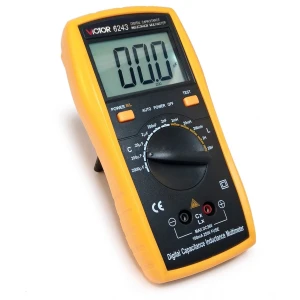
Victor 6243 LCR-meter voor nauwkeurige meting van inductie, capaciteit en weerstand
38,72€
Nog maar 1 op voorraad
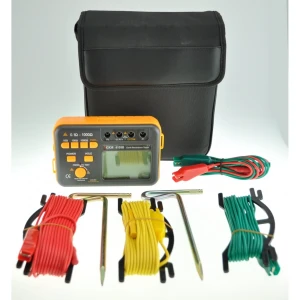
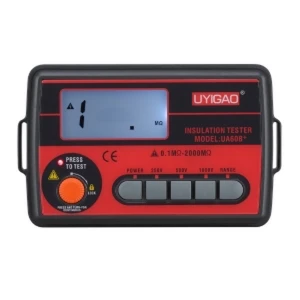
Uyigao UA60B+ isolatietester CAT III 1000 V voor weerstanden tot 2000 MΩ
41,20€
Nog maar 2 op voorraad
Uw recent bekeken artikelen
 LCR-T4 tester voor transistor, condensatoren, ESR, inductantie en weerstand
12,09€