


3,27€
Op voorraad
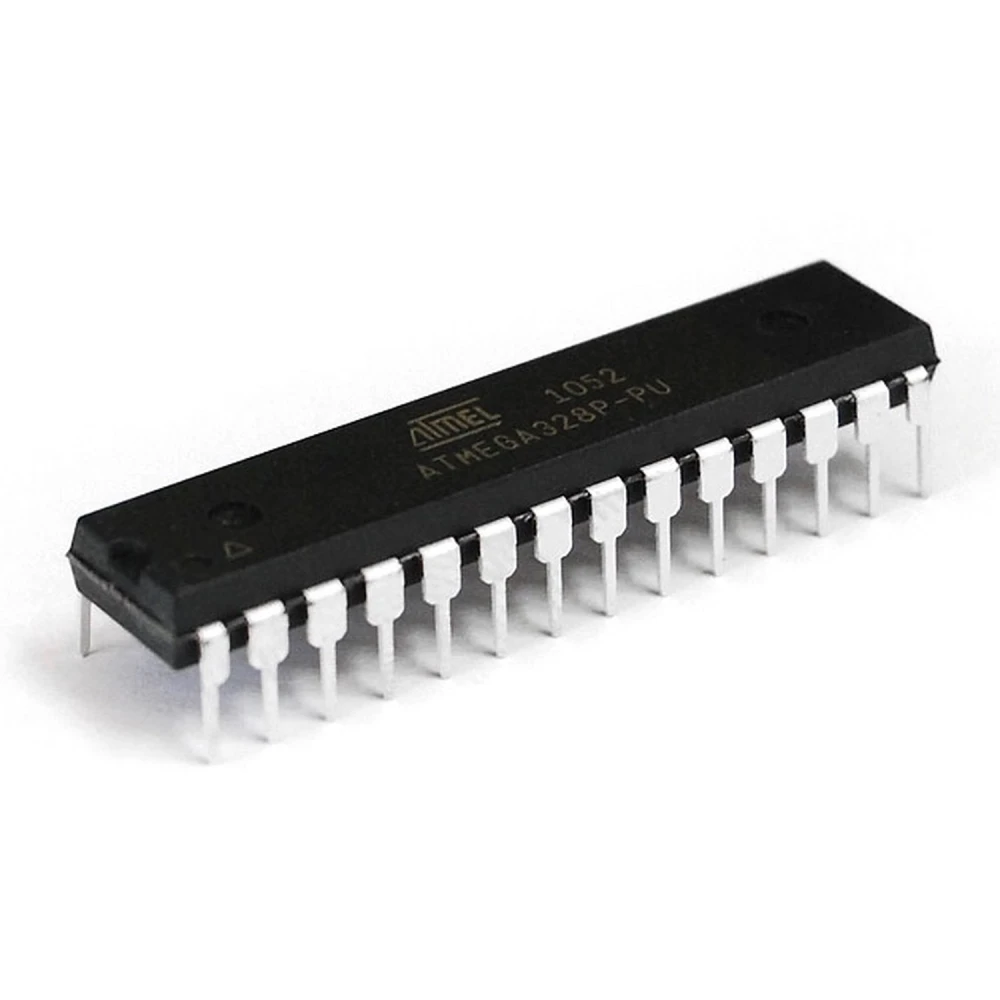
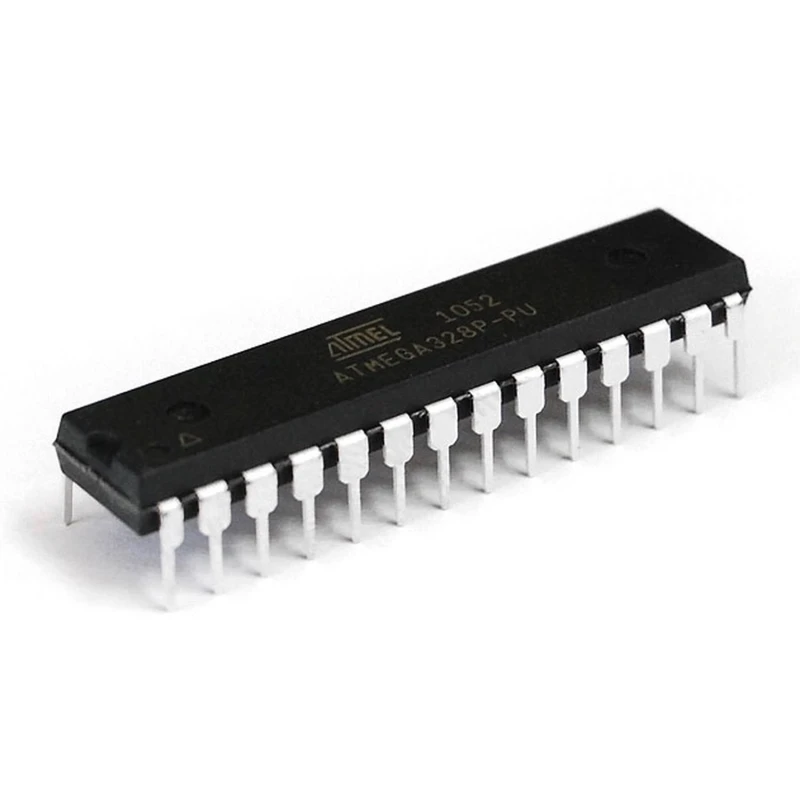
Atmega328p-PU MCU 8bit, 20MHz, DIP-32 - ATMEGA microcontroller
Merk: ATMEGA
3,27€
IVA inbegrepen (Excl. btw: 2,70€)
Op voorraad - Direct verzonden
Standaardlevering
Wo, Apr 22 - Vr, Apr 24
Expresslevering
Ma, Apr 20 - Di, Apr 21
30 dagen retour
Gratis retourneren binnen 30 dagen
Beveiligde transactie






Share:
Gratis bezorging
Bij bestellingen boven 300€
Eenvoudig retourneren
30 dagen retourbeleid
Veilig betalen
100% veilig afrekenen
Kwaliteitsgarantie
Alleen originele producten
De Atmega328p-PU is een 8-bits microcontroller uit de ATmega-familie, bekend om zijn veelzijdigheid en efficiëntie in elektronische toepassingen. Deze MCU werkt met een CPU-snelheid van 20MHz en biedt optimale prestaties voor digitale elektronica en embedded systemen.
Belangrijkste kenmerken:
- CPU-snelheid: 20MHz, ideaal voor snelle en efficiënte verwerking.
- 32KB programmeerbaar geheugen, met voldoende opslag voor complexe programma's.
- 2KB RAM-geheugen voor het verwerken van tijdelijke gegevens tijdens uitvoering.
- DIP-32 behuizing die montage op breadboards en printplaten vergemakkelijkt.
- 23 in-/uitgangspinnen voor het aansluiten van sensoren, actuatoren en andere apparaten.
- Ondersteunt geïntegreerde I2C-, SPI- en UART-interfaces, wat communicatie met andere modules en randapparatuur vereenvoudigt.
- Operationele voedingsspanning van 1.8V tot 5.5V, compatibel met diverse voedingsbronnen.
- Individueel verpakt om de kwaliteit en bescherming van het onderdeel te garanderen.
Veelvoorkomende toepassingen:
- Ontwikkeling van Arduino-projecten en embedded systemen.
- Toepassingen in robotica, automatisering en industriële besturing.
- Snel prototypen van elektronische circuits.
- Onderwijs en training in elektronica en microcontrollerprogrammering.
Compatibiliteit: Deze microcontroller is compatibel met platforms die ATmega328p ondersteunen, waaronder het populaire Arduino Uno-bord, wat het een ideale keuze maakt voor ontwikkelaars en hobbyisten.
Samengevat is de Atmega328p-PU een essentieel onderdeel voor wie op zoek is naar een betrouwbare microcontroller met goede geheugencapaciteit en meerdere communicatieopties voor elektronische projecten.
- 20MHz CPU-snelheid voor hoge prestaties.
- 32KB programmeerbaar geheugen voor complexe programma's.
- 23 in-/uitgangspinnen voor meerdere aansluitingen.
- Geïntegreerde I2C-, SPI- en UART-interfaces voor communicatie.
- DIP-32 behuizing, eenvoudig te monteren op breadboards.
- 2KB RAM-geheugen voor efficiënt gegevensbeheer.
- Voedingsspanningsbereik van 1.8V tot 5.5V.
- Individueel verpakt voor kwaliteit en bescherming.
Klantvragen & Antwoorden
Quines són les principals funcions que aporta l'ATmega328p-PU respecte a altres microcontroladors de 8 bits?
L'ATmega328p-PU ofereix 32 KB de memòria flash programable, 23 pins d'entrada/sortida digital, i admet múltiples interfícies integrades (I2C, SPI, UART), cosa que el fa versàtil per a aplicacions embegudes com controladors i sistemes d'adquisició de dades. Destaca davant d'altres MCU de 8 bits pel seu baix consum (mode sleep) i suport per a 20 MHz, permetent operacions més ràpides que microcontroladors de la mateixa gamma.
Quines dimensions físiques té l'encapsulat DIP-32 i quants pins estan dedicats a entrades/sortides?
L'encapsulat DIP-32 té una longitud aproximada de 41 mm, una amplada de 7,5 mm i una alçada propera a 5 mm. Dels 32 pins, 23 estan destinats a funcions d'entrada/sortida general (GPIO), facilitant la seva integració en plaques de proves estàndard.
Quines precaucions s'han de prendre per evitar danys durant la manipulació o soldadura de l'ATmega328p-PU?
Es recomana fer servir polseres antiestàtiques per evitar descàrregues ESD, mantenir la temperatura de soldadura per sota de 300 °C i evitar l'exposició prolongada a la calor. Manipula els pins amb cura per no doblegar-los ni trencar-los.
Per a quin tipus de projectes reals es recomana l'ús de l'ATmega328p-PU i com es compara amb microcontroladors ARM Cortex-M0+?
L'ATmega328p-PU és idoni en projectes educatius, prototips ràpids i controls simples com domòtica o robòtica bàsica. Davant d'un ARM Cortex-M0+, ofereix menys capacitat de processament, menys RAM i menys consum en execució, però és més senzill de programar i més econòmic per a tasques de baix requeriment.
What are the main features of the ATmega328p-PU compared with other 8-bit microcontrollers?
The ATmega328p-PU offers 32 KB of programmable flash memory, 23 digital input/output pins, and supports multiple integrated interfaces (I2C, SPI, UART), making it versatile for embedded applications such as controllers and data acquisition systems. It stands out from other 8-bit MCUs for its low power consumption (sleep mode) and support for 20 MHz, enabling faster operation than microcontrollers in the same range.
What are the physical dimensions of the DIP-32 package, and how many pins are dedicated to inputs/outputs?
The DIP-32 package is approximately 41 mm long, 7.5 mm wide and around 5 mm high. Of the 32 pins, 23 are assigned to general input/output (GPIO) functions, making it easy to integrate into standard breadboards.
What precautions should be taken to avoid damage when handling or soldering the ATmega328p-PU?
It is recommended to use anti-static wrist straps to prevent ESD, keep soldering temperature below 300°C and avoid prolonged exposure to heat. Handle the pins carefully so they are not bent or broken.
What real-world projects is the ATmega328p-PU recommended for, and how does it compare with ARM Cortex-M0+ microcontrollers?
The ATmega328p-PU is ideal for educational projects, rapid prototypes and simple control applications such as home automation or basic robotics. Compared with an ARM Cortex-M0+, it offers less processing power, less RAM and lower running consumption, but it is easier to programme and more economical for low-demand tasks.
What are the main functions offered by the ATmega328p-PU compared with other 8-bit microcontrollers?
The ATmega328p-PU offers 32 KB of programmable flash memory, 23 digital input/output pins, and supports multiple integrated interfaces (I2C, SPI, UART), making it versatile for embedded applications such as controllers and data acquisition systems. It stands out among other 8-bit MCUs for its low power consumption (sleep mode) and support for 20 MHz, enabling faster operation than microcontrollers in the same range.
What are the physical dimensions of the DIP-32 package, and how many pins are dedicated to input/output?
The DIP-32 package is approximately 41 mm long, 7.5 mm wide and around 5 mm high. Of the 32 pins, 23 are assigned to general input/output functions (GPIO), making it easy to integrate into standard breadboards.
Schrijf een klantbeoordeling
Klanten die dit artikel kochten, kochten ook

XGecu T76 Universele USB 3.0 Type-C Programmeeradapter met 48-pins ZIF-socket
163,35€
Nog maar 7 op voorraad
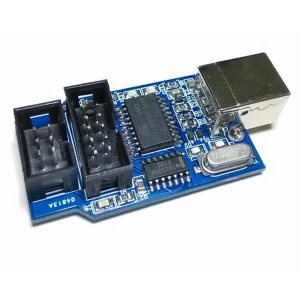
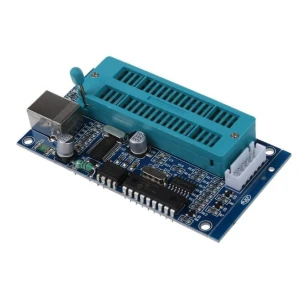
USB K150-programmer voor PIC-microcontrollers met ICSP, compatibel en voordelig
10,83€
Nog maar 4 op voorraad
Uw recent bekeken artikelen

 Atmega328p-PU MCU 8bit, 20MHz, DIP-32 - ATMEGA microcontroller
3,27€