


0,61€
Op voorraad


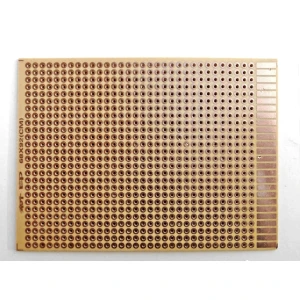
Bakeliet prototyping board 15x9 voor kwaliteitsvolle elektronica-projecten
Merk: satkit
0,61€
IVA inbegrepen (Excl. btw: 0,50€)
Op voorraad - Direct verzonden
Standaardlevering
Wo, Apr 22 - Vr, Apr 24
Expresslevering
Ma, Apr 20 - Di, Apr 21
30 dagen retour
Gratis retourneren binnen 30 dagen
Beveiligde transactie


Share:
Gratis bezorging
Bij bestellingen boven 300€
Eenvoudig retourneren
30 dagen retourbeleid
Veilig betalen
100% veilig afrekenen
Kwaliteitsgarantie
Alleen originele producten
De bakeliet prototyping board 15x9 is een essentieel onderdeel voor iedereen die elektronische projecten ontwikkelt en een stevige, betrouwbare basis nodig heeft om circuits te monteren. Deze plaat is gemaakt van een kunststof bakelietplaat en biedt duurzaamheid en stabiliteit voor prototypes en tests.
Belangrijkste kenmerken:
- Afmeting: 9 x 15 cm, ideaal voor middelgrote en kleine projecten.
- Dikte: 1.2 mm, wat zorgt voor stijfheid en mechanische sterkte.
- Afstand tussen de gaten: 2,54 mm, standaard voor elektronische componenten en compatibel met de meeste pennen en connectoren.
- Gatdiameter: 1.0 mm, geschikt voor solderen en het monteren van componenten.
- Materiaal: Kunststof bakelietplaat, bekend om zijn elektrische isolatie en thermische bestendigheid.
Typische toepassingen:
- Montage van aangepaste elektronische circuits voor ontwikkeling en tests.
- Snel prototypen in DIY-elektronica en onderwijsprojecten.
- Basis voor het solderen van elektronische componenten bij reparatie- of bouwprojecten.
Compatibiliteit: Deze plaat is compatibel met standaard elektronische componenten die een pinafstand van 2,54 mm gebruiken, zoals weerstanden, condensatoren, geïntegreerde schakelingen en Arduino-modules.
Dankzij het ontwerp en de eigenschappen is de bakelietplaat voor prototyping 15x9 een veelzijdig en praktisch hulpmiddel voor ingenieurs, technici en elektronicaliefhebbers die op zoek zijn naar een stevige basis voor hun projecten.
- Compact formaat van 9x15 cm voor elektronische projecten.
- Dikte van 1.2 mm voor extra stijfheid en duurzaamheid.
- Gaten met een diameter van 1.0 mm voor eenvoudige montage van componenten.
- Standaard gatafstand van 2,54 mm, compatibel met veelgebruikte componenten.
- Bakelietmateriaal voor elektrische isolatie en thermische bestendigheid.
Klantvragen & Antwoorden
What is the main material of the board and what advantages does it offer over fibreglass (FR4) boards?
The board is made from bakelite, a phenolic plastic, which makes it light and economical. Although it is less mechanically and thermally resistant than FR4, its ease of cutting and low cost make it suitable for low- to medium-demand prototypes where extreme durability is not the main factor.
What are the exact dimensions, thickness and hole diameter of the board?
The board measures exactly 15 cm x 9 cm, with a thickness of 1.2 mm. The holes have a diameter of 1.0 mm and are spaced 2.54 mm apart (standard 0.1-inch pitch), suitable for most through-hole components.
Does the board support SMD component mounting, or is it only suitable for through-hole (THT) components?
This board is designed exclusively for THT (through-hole) component mounting. It does not have the pads, layout or dimensions suitable for soldering SMD components safely or efficiently.
What are the thermal limits and soldering recommendations to avoid damaging the bakelite?
Bakelite can degrade if exposed to temperatures above 250°C for prolonged periods; it is recommended to use soldering irons between 320°C and 370°C and limit soldering time on each pad to less than 3 seconds to avoid delamination or burning.
Are there any electrical safety standards or restrictions for using this board in high-voltage applications?
This board is not certified under international high-voltage standards (such as IEC or UL for critical applications). It is recommended only for low-voltage applications and educational or prototyping use, not for final installations connected to the mains supply.
What is the main material of the board and what advantages does it offer over fibreglass (FR4) boards?
The board is made from bakelite, a phenolic plastic, which makes it light and economical. Although it is less mechanically and thermally resistant than FR4, its ease of cutting and low cost make it suitable for low- to medium-demand prototypes where extreme durability is not the main factor.
What are the exact dimensions, thickness and hole diameter of the board?
The board measures exactly 15 cm x 9 cm, with a thickness of 1.2 mm. The holes have a diameter of 1.0 mm and are spaced 2.54 mm apart (standard 0.1 inch pitch), suitable for most through-hole components.
Does the board support SMD components, or is it only suitable for through-hole (THT) components?
This board is designed exclusively for through-hole (THT) component mounting. It does not have pads or layout dimensions suitable for soldering SMD components safely or efficiently.
What are the thermal limits and soldering recommendations to avoid damaging the bakelite?
Bakelite can degrade if exposed to temperatures above 250°C for prolonged periods; it is recommended to use soldering irons between 320°C and 370°C and limit soldering time on each pad to less than 3 seconds to avoid delamination or burning.
Are there any electrical safety standards or restrictions for using this board in high-voltage applications?
This board is not certified under international high-voltage standards (such as IEC or UL for critical applications). It is recommended only for low-voltage applications and educational or prototyping use, not for final installations connected to the mains supply.
Schrijf een klantbeoordeling
Klanten die dit artikel kochten, kochten ook



Uw recent bekeken artikelen
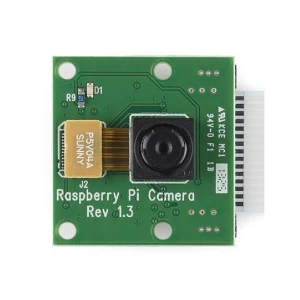
Raspberry Pi camera 5 megapixel V1.3 - hoge definitie en eenvoudige installatie
16,94€
Niet op voorraad
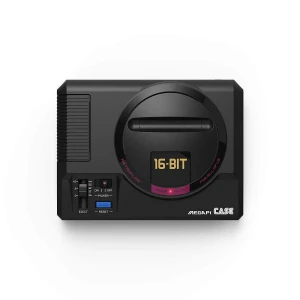
Retroflag MegaPi voor Raspberry Pi 2/3/B+ met originele Mega Drive-stijl behuizing
21,79€
Niet op voorraad
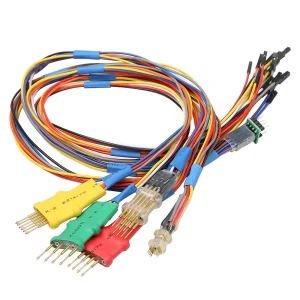
IPROG Plus probe-adapter voor printplaat compatibel met IPROG+ en IPROG+ PLUS
16,94€
Nog maar 3 op voorraad
 Bakeliet prototyping board 15x9 voor kwaliteitsvolle elektronica-projecten
0,61€