


1,09€
Op voorraad
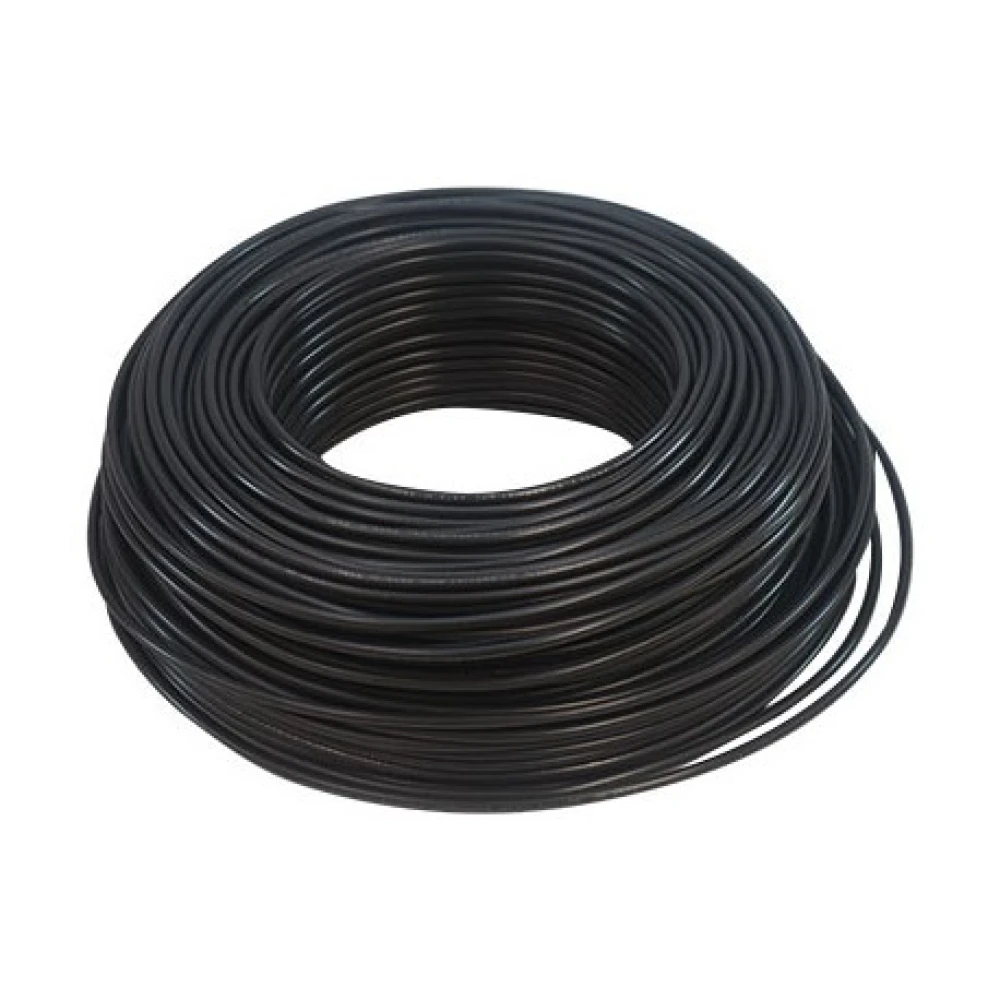
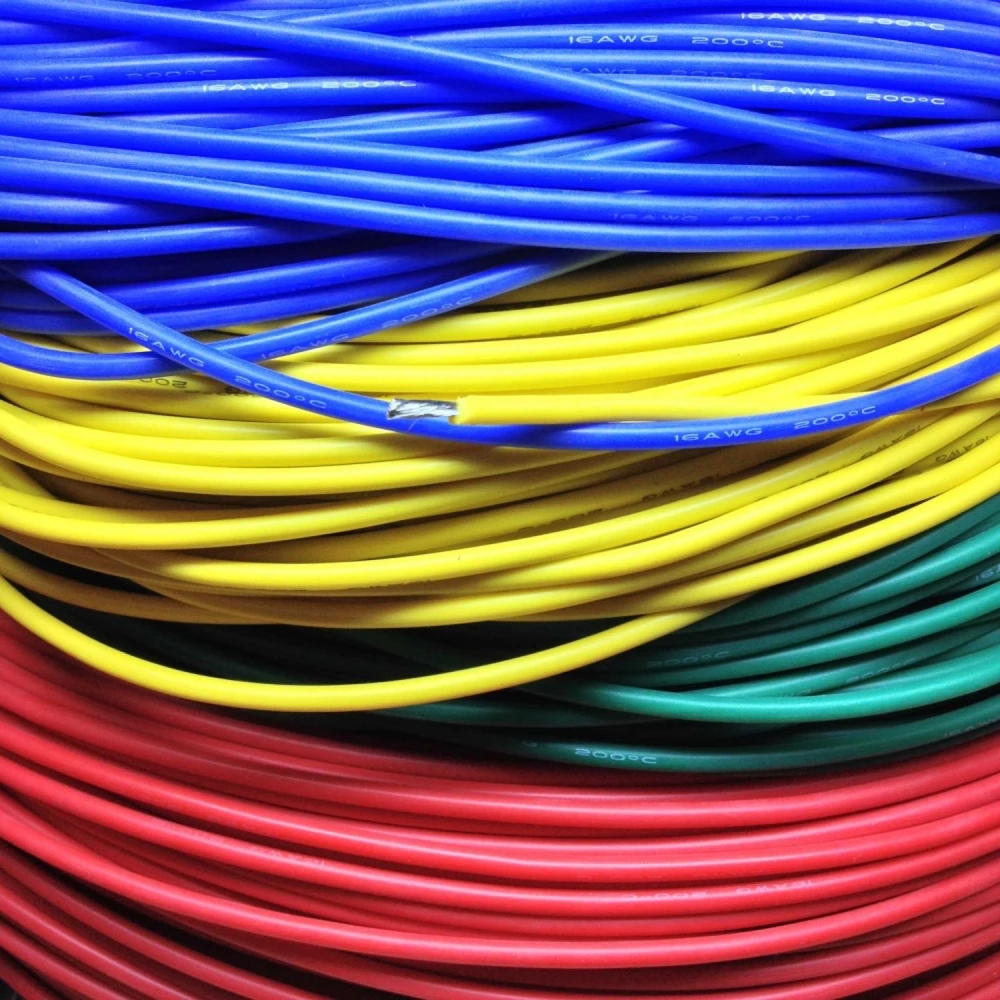
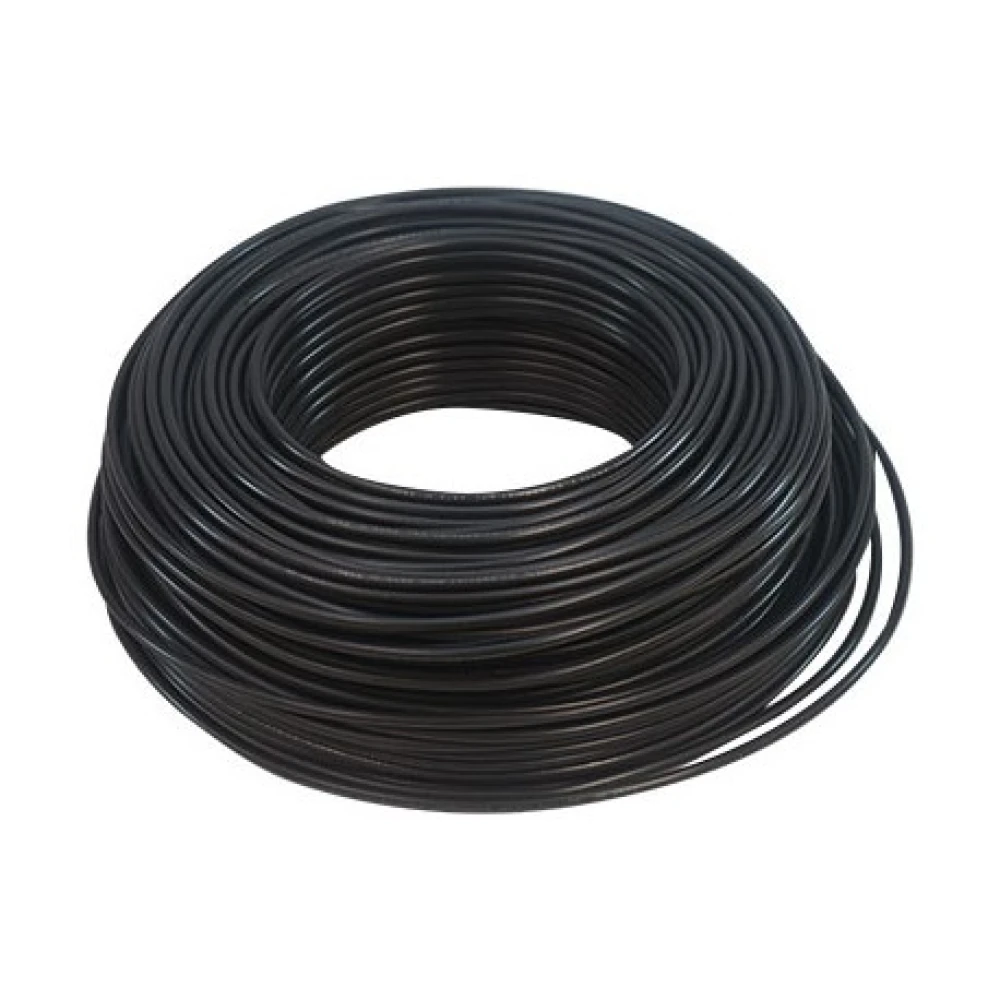
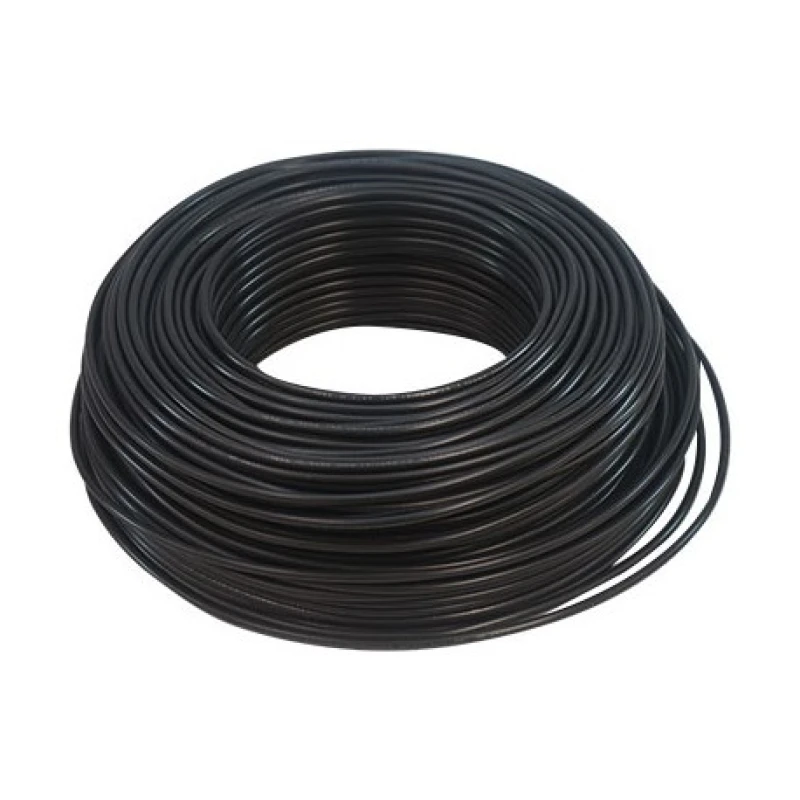
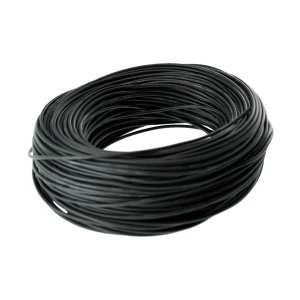
Flexibele siliconenkabel 16AWG zwart, bestand tot 200º en 3kV voor professioneel gebruik
Merk: satkit
1,09€
IVA inbegrepen (Excl. btw: 0,90€)
Op voorraad - Direct verzonden
Standaardlevering
Wo, Apr 22 - Vr, Apr 24
Expresslevering
Ma, Apr 20 - Di, Apr 21
30 dagen retour
Gratis retourneren binnen 30 dagen
Beveiligde transactie






Share:
Gratis bezorging
Bij bestellingen boven 300€
Eenvoudig retourneren
30 dagen retourbeleid
Veilig betalen
100% veilig afrekenen
Kwaliteitsgarantie
Alleen originele producten
De flexibele siliconenkabel 16AWG zwart is een kabel die is ontworpen voor elektronische toepassingen die een hoge thermische en elektrische weerstand vereisen. Dankzij de siliconen isolatie is deze kabel bestand tegen temperaturen tot 200ºC en spanningen tot 3kV, waardoor hij ideaal is voor veeleisende omgevingen en professioneel gebruik.
Deze kabel is bijzonder geschikt voor de productie van meetkabels, kabels voor multimeters en andere elektronische meet- en diagnoseapparatuur. De flexibiliteit maakt hanteren en installeren eenvoudig in kleine ruimtes of in apparatuur die vaak moet bewegen.
Belangrijkste kenmerken:
- Doorsnede: 16AWG (ongeveer 1.31 mm²)
- Kleur: Zwart
- Isolatiemateriaal: Flexibele siliconen
- Thermische weerstand: Tot 200ºC
- Maximale spanning: Tot 3kV
- Toepassingen: Meetkabels, multimeters, oscilloscopen en andere elektronische apparatuur
- Verkoop per meter: Prijs aangegeven per meter
Typische toepassingen:
Deze kabel is ideaal voor technici en professionals die elektrische metingen moeten uitvoeren onder hoge temperaturen of met hoge elektrische isolatie-eisen. Ook geschikt voor het maken van op maat gemaakte kabels voor elektronische en automotive apparatuur die siliconenisolatie nodig heeft voor extra duurzaamheid en veiligheid.
Compatibiliteit:
Compatibel met de meeste elektronische meetapparatuur zoals digitale en analoge multimeters, oscilloscopen en andere diagnoseapparaten. De flexibiliteit en weerstand maken hem geschikt voor toepassingen in laboratoria, reparatiewerkplaatsen en industriële omgevingen.
De kabel wordt per meter verkocht, zodat de gebruiker exact de hoeveelheid kan kopen die nodig is voor zijn project of reparatie.
- 16AWG doorsnede met flexibele siliconen isolatie
- Bestand tegen temperaturen tot 200ºC
- Kan spanningen tot 3kV aan
- Zwarte kleur voor eenvoudige identificatie
- Ideaal voor meetkabels en multimeters
- Verkoop per meter voor extra flexibiliteit
Klantvragen & Antwoorden
Quins avantatges ofereix el cable flexible de silicona 16AWG davant dels cables de PVC en aplicacions de laboratori?
El recobriment de silicona ofereix més resistència tèrmica (fins a 200°C) i flexibilitat, cosa que redueix la fatiga per doblec en assajos continus. A diferència del PVC, la silicona manté la seva elasticitat sota temperatures extremes i proporciona millor aïllament en entorns d’alta tensió. El principal inconvenient és un cost més alt respecte als cables de PVC estàndard.
Quines són les dimensions i el pes per metre del cable, i què inclou exactament el contingut en comprar-lo?
El cable de 16AWG té un diàmetre aproximat de 4,0 mm (incloent-hi el recobriment) i un pes d’uns 38 g per metre. El preu publicat és per cada metre lineal de cable, sense connectors ni altres accessoris inclosos.
Quines precaucions s’han de tenir en compte durant el pelat i la instal·lació del cable per evitar danyar la coberta de silicona?
Es recomana utilitzar eines de pelat ajustables per no tallar ni esquinçar la coberta de silicona, ja que el material és més tou que el PVC i es pot danyar fàcilment. Un tall superficial i controlat evita pèrdues en la resistència dielèctrica. Evitar l’ús de fulles convencionals millora la durabilitat de l’aïllament.
Quines normes de seguretat o certificacions compleix aquest cable i es pot fer servir en sistemes subjectes a normatives internacionals?
La informació proporcionada no especifica certificacions concretes com UL, CE o RoHS. Per a ús en instal·lacions subjectes a regulacions explícites, convé verificar la necessitat de certificats específics abans de seleccionar-lo. Pot ser adequat per a tasques de prototipatge, laboratori o proves, no necessàriament per a instal·lacions regulades.
What are the benefits of using a 16AWG flexible silicone cable compared with PVC cables in laboratory applications?
The silicone coating offers greater thermal resistance (up to 200°C) and flexibility, reducing bending fatigue in continuous testing. Unlike PVC, silicone retains its elasticity under extreme temperatures and provides better insulation in high-voltage environments. The main drawback is the higher cost compared with standard PVC cables.
What are the dimensions and weight per metre of the cable, and what exactly is included when buying it?
The 16AWG cable has an approximate diameter of 4.0 mm (including the coating) and weighs around 38 g per metre. The listed price is for each linear metre of cable, with no connectors or other accessories included.
What precautions should be taken when stripping and installing the cable to avoid damaging the silicone jacket?
It is recommended to use adjustable stripping tools so as not to cut or tear the silicone jacket, as the material is softer than PVC and can be damaged easily. A shallow, controlled cut helps prevent loss of dielectric strength. Avoiding conventional blades improves insulation durability.
What safety standards or certifications does this cable comply with, and can it be used in systems subject to international regulations?
The information provided does not specify any particular certifications such as UL, CE or RoHS. For use in installations subject to explicit regulations, it is advisable to verify the need for specific certificates before selecting it. It may be suitable for prototyping, laboratory work or testing, but not necessarily for regulated installations.
What are the benefits of using a 16AWG flexible silicone cable compared with PVC cables in laboratory applications?
The silicone coating offers greater thermal resistance (up to 200°C) and flexibility, reducing bend fatigue in continuous testing. Unlike PVC, silicone retains its elasticity under extreme temperatures and provides better insulation in high-voltage environments. The main trade-off is a higher cost than standard PVC cables.
What are the dimensions and weight per metre of the cable, and what exactly is included when buying it?
The 16AWG cable has an approximate diameter of 4.0 mm (including the outer jacket) and weighs around 38 g per metre. The listed price is for each linear metre of cable, with no connectors or other accessories included.
Schrijf een klantbeoordeling
Klanten die dit artikel kochten, kochten ook
Uw recent bekeken artikelen

 Flexibele siliconenkabel 16AWG zwart, bestand tot 200º en 3kV voor professioneel gebruik
1,09€